
Learning to drive is an exciting milestone, but caring for a vehicle is just as important as mastering the road. New drivers often overlook routine maintenance, which can lead to costly repairs or unsafe driving conditions. Understanding basic vehicle upkeep ensures safety, saves money, and extends your car’s life. This guide provides practical vehicle maintenance tips for new drivers, offering clear advice on what to check, how to maintain it, and when to seek professional help.
Understanding Your Vehicle
Before diving into maintenance, it’s essential to know your vehicle. Every car comes with a manual detailing oil types, service schedules, tire pressures, and recommended maintenance intervals. Familiarizing yourself with these guidelines helps prevent mistakes that can lead to engine damage or reduced performance. Additionally, identifying key parts such as the battery, brakes, fluids, tires, and lights ensures you can spot problems early. New drivers who understand their vehicle feel more confident and prepared for unexpected situations on the road.
Knowing Warning Signs
Vehicles communicate through warning lights and unusual sounds. Dashboard alerts like the check engine light, battery warning, or low oil notification indicate a need for attention. Strange noises, such as squealing brakes or grinding gears, often hint at mechanical issues. Ignoring these signs can worsen the problem and increase repair costs. New drivers should learn to recognize these indicators and act promptly by consulting a professional mechanic.
Routine Checks Every Driver Should Perform
Routine inspections keep your car in top shape. Regular checks reduce the risk of breakdowns and ensure safe driving conditions.
Checking Fluids
Fluids are essential for smooth vehicle operation. Engine oil lubricates parts to prevent wear, while coolant regulates temperature. Brake fluid, transmission fluid, and windshield washer fluid also require periodic checks. A low fluid level can lead to overheating, brake failure, or engine damage. For new drivers, checking fluids monthly and topping them off when necessary is a simple habit that significantly impacts vehicle longevity.
Tire Maintenance
Tires are the only contact between your car and the road. Checking tire pressure, tread depth, and signs of uneven wear improves handling, fuel efficiency, and safety. Underinflated tires increase fuel consumption and risk blowouts, while worn tires reduce traction. Rotating tires every few thousand miles ensures even wear and extends their life. Learning to inspect tires regularly gives new drivers confidence, especially in adverse weather conditions.

Brake and Light Inspections
Brakes and lights are crucial for safety. Test brake responsiveness by gently applying pressure while parked. Listen for unusual sounds like grinding or squeaking. Lights, including headlights, brake lights, and turn signals, should be checked regularly. Malfunctioning lights reduce visibility and increase the risk of accidents. New drivers must develop the habit of routine inspections to avoid dangerous situations on the road.
Battery Care
A healthy battery ensures your vehicle starts reliably. Check the battery for corrosion, loose connections, or swelling. Keeping terminals clean and ensuring a secure fit prevents starting issues. If a battery is old or weak, replacing it proactively avoids being stranded unexpectedly. New drivers often underestimate the importance of battery care, but simple attention can save time and inconvenience.
Cleaning and Exterior Care
While it might seem cosmetic, keeping a vehicle clean protects its value. Regular washing removes dirt, grime, and salt that can cause rust. Waxing provides an extra layer of protection against environmental damage. Interior cleaning maintains a comfortable environment, prevents odors, and helps preserve upholstery. Developing cleaning habits early ensures the vehicle stays attractive and retains resale value over time.
Seasonal Vehicle Maintenance Tips
Weather changes affect vehicle performance. Adapting maintenance routines to seasonal conditions enhances safety and reliability.
Winter Preparedness
Cold weather impacts tire traction, battery efficiency, and fluid viscosity. Ensure tires are suitable for snow or icy roads, check antifreeze levels, and keep the battery fully charged. Wipers and washer fluid should be winter-ready to maintain visibility. New drivers must recognize how winter conditions influence vehicle handling and prepare accordingly.
Summer Precautions
High temperatures strain the engine, cooling system, and tires. Checking coolant levels, inspecting hoses for leaks, and monitoring tire pressure helps prevent overheating. Air conditioning should be maintained for comfort during hot drives. Seasonal awareness reduces the risk of unexpected failures and keeps vehicles operating efficiently.
When to Seek Professional Help
Even with routine maintenance, some issues require expert attention. Ignoring mechanical problems can lead to expensive repairs or unsafe driving conditions. If a warning light persists, brakes make unusual noises, or the engine performance declines, schedule a professional inspection. Building a relationship with a trusted mechanic ensures your vehicle receives proper care, and new drivers gain confidence knowing help is available when needed.
Developing Good Driving and Maintenance Habits
Vehicle maintenance isn’t just about checks and repairs. Driving habits also influence wear and tear. Smooth acceleration, braking gently, and avoiding harsh cornering reduce stress on tires, brakes, and suspension. Parking in shaded areas or garages protects the exterior, and avoiding overloading preserves suspension and handling. New drivers who combine responsible driving with routine maintenance save money and prevent early vehicle deterioration.
Fuel and Efficiency Tips
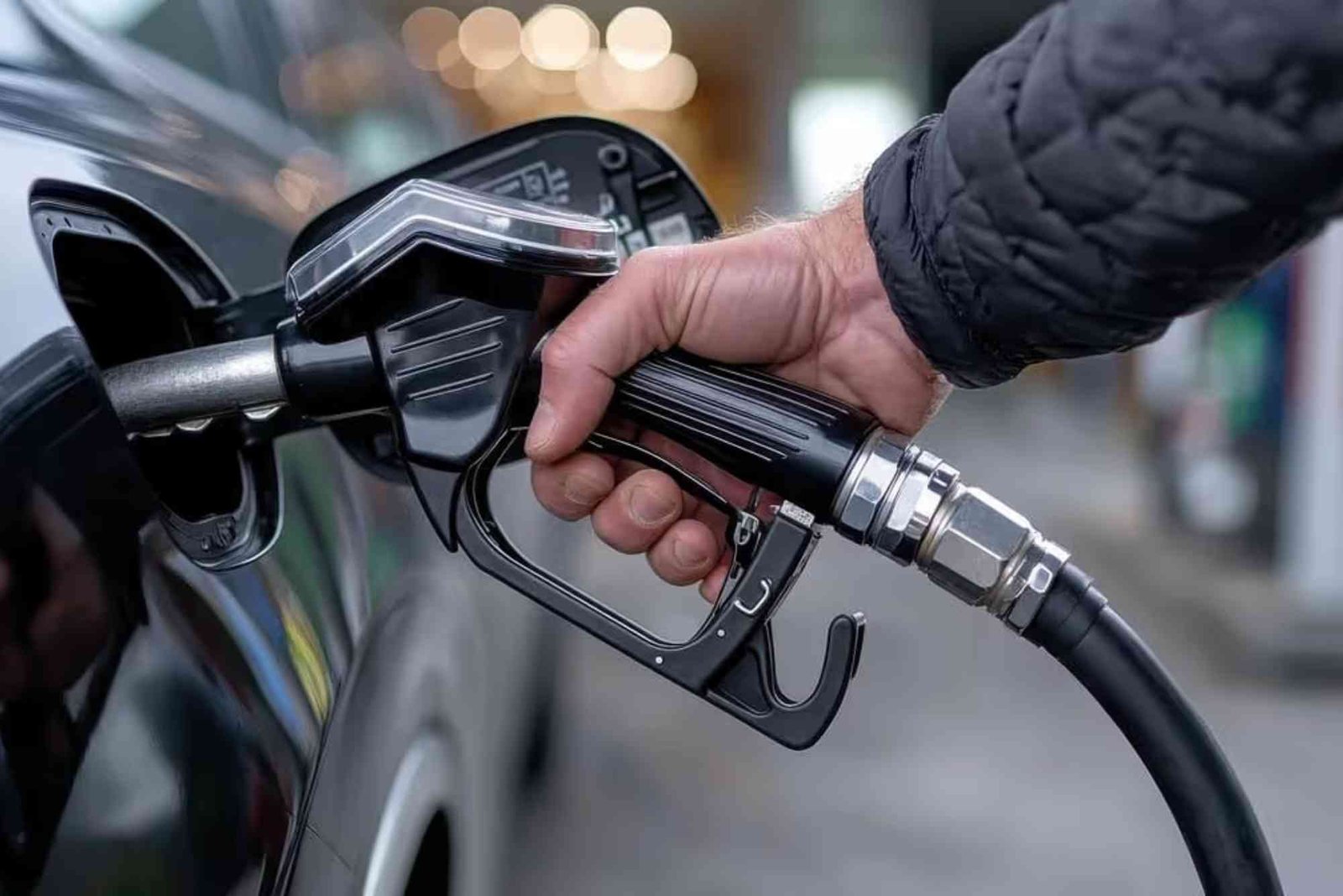
Maintaining your vehicle properly improves fuel efficiency. Regular oil changes, clean air filters, and correct tire pressure optimize performance. Avoiding excessive idling and maintaining steady speeds reduce fuel consumption. Understanding how driving habits affect efficiency empowers new drivers to save on fuel and reduce environmental impact.
For new drivers, understanding and implementing vehicle maintenance tips is crucial. Regular checks, seasonal awareness, professional inspections, and responsible driving habits ensure safety, reliability, and longevity. By taking proactive steps, beginners can avoid costly repairs and gain confidence on the road. Start building good maintenance habits today, and enjoy a smooth, worry-free driving experience. Schedule regular checkups, follow your vehicle manual, and make safety your priority.
indon.id adalah platform digital informatif yang menyajikan berbagai konten terkini seputar teknologi, gaya hidup, bisnis, dan informasi populer lainnya. Dengan tampilan sederhana dan mudah diakses, indon.id menjadi sumber bacaan yang relevan bagi pengguna yang ingin mendapatkan wawasan terpercaya, ringkas, dan up-to-date dalam satu tempat.
FAQ
What are the basic vehicle maintenance tips for new drivers?
New drivers should regularly check fluids, tire pressure, brakes, lights, and the battery. Seasonal adjustments and professional inspections are also essential.
How often should new drivers check their car fluids?
Monthly checks are recommended for engine oil, coolant, brake fluid, transmission fluid, and windshield washer fluid.
Can regular cleaning improve vehicle performance?
Yes, cleaning prevents rust, protects paint, and preserves interior condition, contributing to long-term vehicle reliability.
When should I replace my car battery?
Replace the battery if it’s old, weak, corroded, or if your car has trouble starting. Typically, batteries last 3–5 years.
Are seasonal maintenance tips necessary for new drivers?
Absolutely. Cold and hot weather affect tire traction, battery life, and engine performance, requiring adjustments to maintain safety.