The automotive industry is evolving faster than ever. Over the last decade, vehicles have transformed from simple transportation tools into intelligent machines powered by advanced software, artificial intelligence, and connected technologies. Today, the latest automotive technology is improving safety, efficiency, comfort, and sustainability while redefining how people interact with their vehicles.
Manufacturers are investing billions in research and development to create smarter and cleaner transportation solutions. As a result, modern vehicles now feature autonomous driving assistance, electric powertrains, connected infotainment systems, predictive maintenance tools, and advanced safety technologies. These innovations are not only enhancing the driving experience but also preparing the industry for a future where mobility is more efficient and environmentally responsible.
The Rapid Evolution of Latest Automotive Technology
The automotive sector has experienced significant technological advancement in recent years. Traditional mechanical systems are increasingly being replaced by digital solutions capable of processing vast amounts of data in real time. Modern vehicles now rely on sensors, cameras, radar systems, and powerful processors to enhance performance and improve safety. The latest automotive technology integrates hardware and software into a seamless ecosystem. Vehicles can monitor road conditions, communicate with drivers, provide navigation assistance, and even perform certain driving tasks independently. This evolution reflects the growing demand for smarter and more efficient mobility solutions.
As technology continues to advance, manufacturers are focusing on creating vehicles that are safer, greener, and more connected than ever before.
Electric Vehicles Leading Automotive Innovation
One of the most important developments in the latest automotive technology is the rapid adoption of electric vehicles. Governments, consumers, and manufacturers are embracing electric mobility as a solution to reduce carbon emissions and dependence on fossil fuels. Modern electric vehicles offer longer driving ranges, faster charging times, and improved battery efficiency. Battery technology has progressed significantly, allowing drivers to travel hundreds of miles on a single charge. Furthermore, charging infrastructure continues to expand, making electric vehicle ownership more practical.
Automakers are also developing solid-state batteries, which promise higher energy density, improved safety, and shorter charging times. These advancements could revolutionize electric transportation and accelerate global adoption. The growth of electric vehicles demonstrates how the latest automotive technology is supporting sustainability while delivering impressive performance and driving comfort.

Artificial Intelligence Transforming Modern Vehicles
Artificial intelligence plays a crucial role in the latest automotive technology. AI systems help vehicles analyze data, recognize patterns, and make decisions that improve safety and efficiency. Modern vehicles use AI-powered systems to monitor driving behavior, detect potential hazards, and provide real-time assistance. Driver monitoring systems can identify signs of fatigue or distraction and issue alerts when necessary. Additionally, AI enhances navigation by predicting traffic patterns and suggesting optimal routes.
Machine learning algorithms continuously improve vehicle performance by analyzing driving conditions and adapting system responses accordingly. As AI technology advances, vehicles are becoming increasingly capable of understanding and responding to complex situations on the road. The integration of artificial intelligence represents a major milestone in the evolution of smart transportation.
Advanced Driver Assistance Systems Enhancing Safety
Safety remains a primary focus of the latest automotive technology. Advanced Driver Assistance Systems, commonly known as ADAS, are helping reduce accidents and improve driver confidence. These systems use cameras, radar sensors, and sophisticated software to monitor the vehicle’s surroundings. Features such as adaptive cruise control, lane-keeping assistance, blind-spot monitoring, automatic emergency braking, and traffic sign recognition are becoming standard in many vehicles.
By providing continuous situational awareness, ADAS technologies help drivers avoid potential collisions and maintain safer driving habits. Many accidents occur due to human error, and these intelligent systems serve as an additional layer of protection. As technology improves, driver assistance features continue to become more accurate and reliable, contributing to safer roads worldwide.
Autonomous Driving Technology and the Future of Mobility
Autonomous driving remains one of the most exciting areas within the latest automotive technology. While fully self-driving vehicles are still under development, significant progress has already been achieved. Current autonomous systems can perform specific tasks such as highway driving, automatic parking, and traffic jam assistance. These technologies rely on a combination of cameras, lidar, radar, GPS data, and artificial intelligence to interpret the surrounding environment.
The ultimate goal is to create vehicles capable of navigating complex road conditions without human intervention. Such advancements could reduce traffic accidents, improve transportation accessibility, and increase mobility for individuals unable to drive. Although regulatory and technical challenges remain, autonomous driving technology continues to move closer to mainstream adoption.
Connected Cars and Smart Communication Systems
Connectivity is another defining feature of the latest automotive technology. Modern vehicles are increasingly connected to the internet, allowing seamless communication between drivers, vehicles, and external networks. Connected cars can provide real-time traffic updates, remote diagnostics, software updates, and emergency assistance services. Drivers can control various vehicle functions through smartphone applications, including locking doors, checking battery status, and locating parked vehicles.
Vehicle-to-Vehicle communication is also gaining attention. This technology allows cars to exchange information about speed, location, and road conditions. By sharing data, vehicles can anticipate potential hazards and improve traffic flow. Connected ecosystems are creating a more convenient and intelligent driving experience while enhancing safety and efficiency.
Over-the-Air Updates Revolutionizing Vehicle Maintenance
Traditionally, vehicle software updates required visits to service centers. However, the latest automotive technology has introduced over-the-air updates, allowing manufacturers to improve vehicle software remotely. Through secure wireless connections, automakers can deliver updates directly to vehicles. These updates may enhance performance, improve cybersecurity, add new features, or fix software issues without requiring dealership appointments.
This approach benefits both manufacturers and consumers. Vehicles remain current with the latest improvements, while owners save time and enjoy enhanced functionality throughout the vehicle’s lifespan. Over-the-air technology demonstrates how software is becoming increasingly important in modern automotive design.
Next-Generation Infotainment Systems
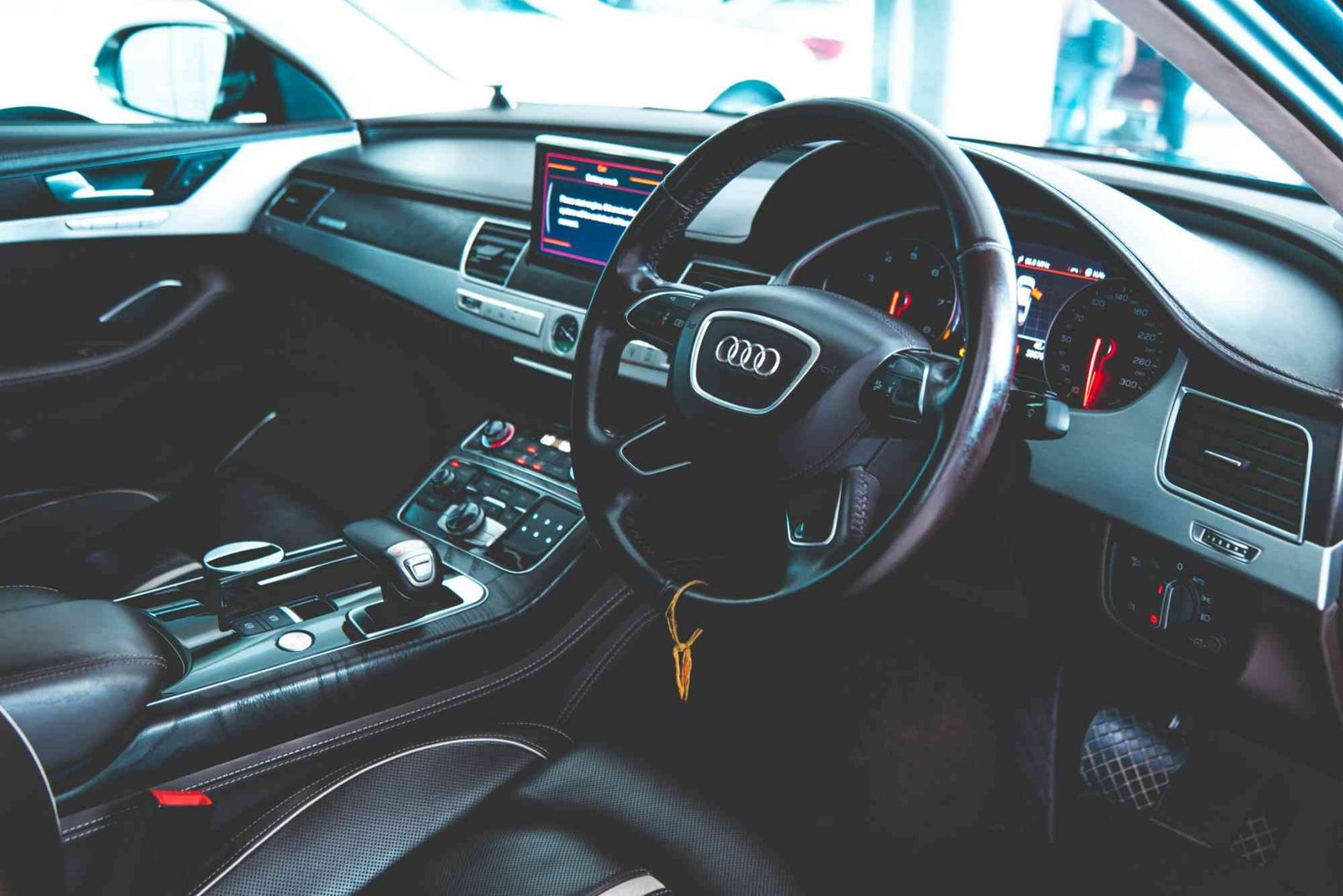
The driving experience now extends far beyond transportation. The latest automotive technology includes advanced infotainment systems that combine entertainment, communication, and navigation into a unified platform. Large touchscreen displays, voice recognition, smartphone integration, and cloud-based services are becoming common features in modern vehicles. Drivers can access navigation, stream media, make hands-free calls, and control vehicle settings through intuitive interfaces.
Voice assistants powered by artificial intelligence are improving convenience by allowing drivers to interact with vehicle systems naturally. This hands-free functionality helps reduce distractions while enhancing usability. As consumer expectations continue to rise, infotainment systems are becoming more sophisticated and personalized.
Cybersecurity in Modern Automotive Technology
As vehicles become increasingly connected, cybersecurity has emerged as a critical component of the latest automotive technology. Protecting vehicles from unauthorized access is essential for maintaining safety and consumer trust. Manufacturers are implementing advanced encryption, secure communication protocols, and intrusion detection systems to safeguard vehicle networks. Regular software updates help address vulnerabilities and strengthen security defenses.
Cybersecurity measures protect sensitive data, prevent unauthorized control of vehicle systems, and ensure the integrity of connected services. As digital integration expands, robust security frameworks will remain a top priority for the automotive industry.
Sustainable Manufacturing and Green Technologies
Environmental responsibility is driving innovation across the automotive sector. The latest automotive technology extends beyond vehicle performance to include sustainable manufacturing processes and eco-friendly materials. Manufacturers are reducing waste, increasing energy efficiency, and incorporating recycled materials into vehicle production. Renewable energy sources are also being used in manufacturing facilities to minimize environmental impact.
Lightweight materials such as advanced composites and high-strength aluminum improve fuel efficiency and electric vehicle range. These innovations support sustainability goals while maintaining vehicle safety and durability. Green technologies are helping create a more environmentally conscious automotive industry without compromising quality or performance.
The Role of Data Analytics in Vehicle Performance
Data analytics is becoming an essential aspect of the latest automotive technology. Modern vehicles generate large volumes of data related to engine performance, battery health, driving behavior, and environmental conditions. Manufacturers use this information to improve vehicle design, optimize maintenance schedules, and enhance customer experiences. Predictive maintenance systems can identify potential issues before they become serious problems, reducing repair costs and minimizing downtime. Data-driven insights also support autonomous driving development and improve overall system efficiency. As analytics capabilities continue to advance, vehicles will become increasingly intelligent and proactive.
Conclusion
The latest automotive technology is transforming transportation in remarkable ways. Electric vehicles, artificial intelligence, autonomous driving systems, connected car platforms, advanced safety features, and sustainable manufacturing practices are redefining what modern vehicles can achieve. These innovations are making transportation safer, cleaner, more efficient, and increasingly convenient for drivers worldwide. As technology continues to evolve, consumers can expect even greater advancements in vehicle intelligence, connectivity, and sustainability. Staying informed about the latest automotive technology helps drivers understand emerging trends and make better decisions when purchasing or maintaining vehicles.
Maintaining your car properly is essential for achieving better efficiency, speed, and overall reliability. Regular servicing, using quality fuel, and checking engine health can significantly boost performance. For more detailed tips and expert guidance, read our guide on How to Improve Vehicle Performance to keep your vehicle running smoothly and efficiently.
FAQs
What is the latest automotive technology in modern cars?
The latest automotive technology includes electric powertrains, artificial intelligence systems, autonomous driving assistance, connected vehicle platforms, advanced safety features, and over-the-air software updates.
How does artificial intelligence improve vehicle performance?
Artificial intelligence analyzes driving data, monitors road conditions, assists navigation, improves safety systems, and helps vehicles make intelligent decisions in real time.
Are self-driving cars available today?
Partially autonomous vehicles are available with features such as adaptive cruise control, lane-centering assistance, and automated parking. Fully autonomous vehicles are still being developed and tested.
Why are electric vehicles considered advanced technology?
Electric vehicles use sophisticated battery systems, energy management software, regenerative braking, and electric motors that provide efficient and environmentally friendly transportation.
What are connected cars?
Connected cars use internet connectivity to provide navigation updates, remote vehicle management, emergency assistance, software updates, and communication with other connected systems.
How do over-the-air updates benefit vehicle owners?
Over-the-air updates allow manufacturers to improve software, enhance security, add new features, and fix issues remotely without requiring dealership visits.
What role does cybersecurity play in automotive technology?
Cybersecurity protects connected vehicle systems from unauthorized access, secures sensitive data, and ensures safe communication between digital automotive components.