
Selecting the right tires for your vehicle is more than just picking a brand. Tires influence safety, fuel efficiency, handling, and comfort. With so many options available, understanding what to look for is essential. This guide explains how to choose the right vehicle tires for your car, SUV, or truck, helping you make informed decisions.
Understanding Tire Types
Before selecting tires, it’s important to know the different types available. Each tire type is designed for specific driving conditions and vehicle needs.
All-Season Tires
All-season tires are versatile and provide reliable performance year-round. They balance grip, comfort, and tread life, making them ideal for drivers in moderate climates.
Summer Tires
Summer tires excel in warm weather and wet conditions. They offer superior traction and handling but are not suitable for snow or freezing temperatures.
Winter Tires
Winter tires are engineered for icy and snowy roads. Their specialized rubber and tread patterns improve grip and braking performance in extreme cold.
Performance Tires
Performance tires are designed for high-speed stability and cornering precision. They are suitable for sports cars and enthusiasts who prioritize handling over longevity.

Key Factors to Consider
Choosing the right tire involves more than type. Several critical factors can affect safety, efficiency, and cost.
Vehicle Compatibility
Always check your vehicle’s manufacturer recommendations. Tires vary in size, load capacity, and speed rating. Installing the wrong tires can compromise handling and safety.
Tread Pattern
Tread design impacts traction and road noise. Symmetrical patterns offer smooth rides and longevity, while asymmetrical patterns provide better handling. Directional tread improves water dispersal on wet roads.
Tire Size
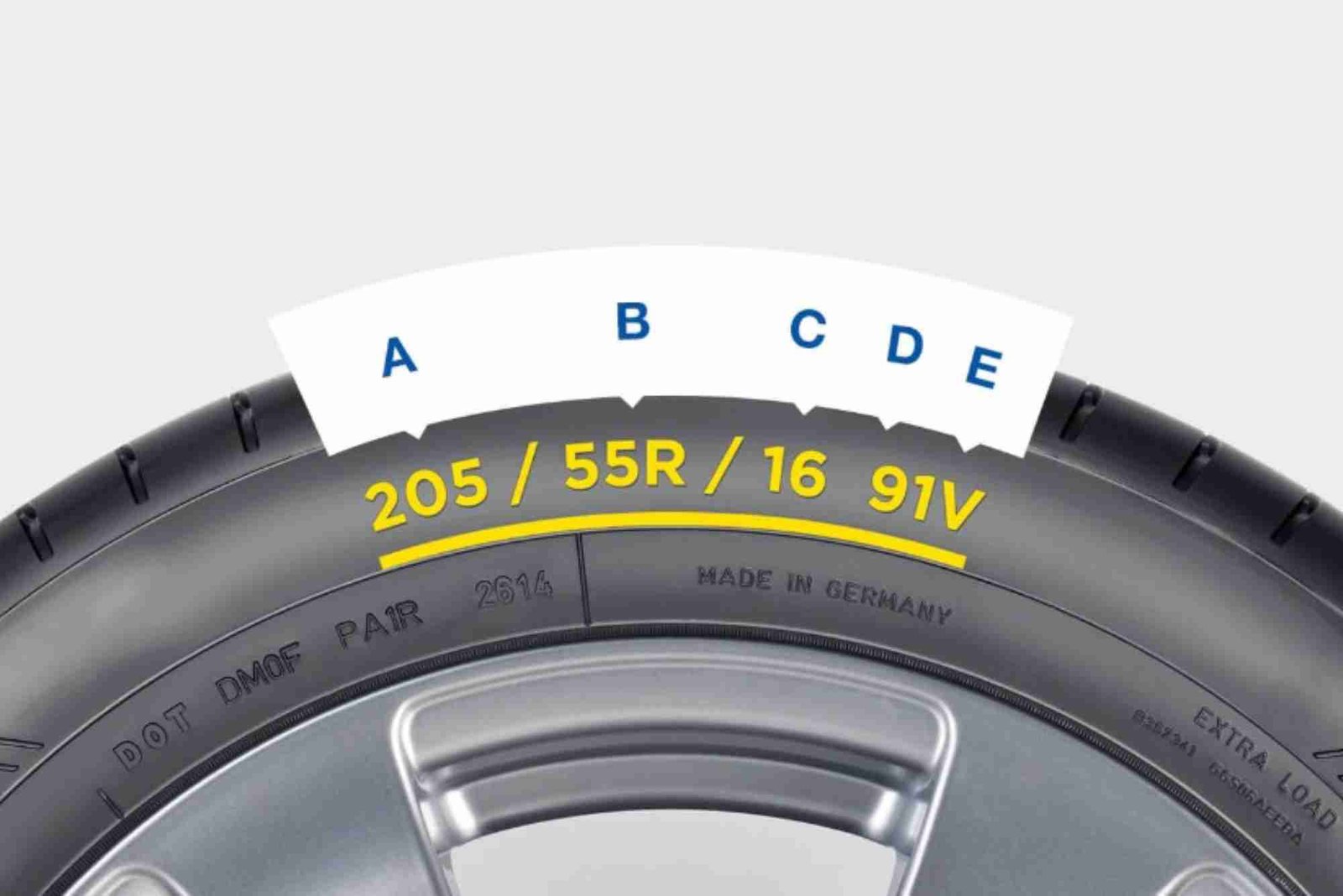
Tire size is indicated on the sidewall. It includes width, aspect ratio, and diameter. Using the correct size ensures proper fit, handling, and speedometer accuracy.
Load Index and Speed Rating
The load index indicates how much weight a tire can carry. The speed rating shows the maximum safe speed. Choosing tires below your vehicle’s requirements can be dangerous.
Durability and Tread Life
Tire longevity varies based on material and design. Harder compounds last longer but may sacrifice grip. Consider driving habits and terrain when evaluating durability.
Safety Considerations
Tires are crucial for safety. Proper tire selection enhances braking, traction, and overall vehicle stability.
Wet and Dry Grip
Ensure tires provide adequate grip in both wet and dry conditions. Poor grip can lead to hydroplaning and longer stopping distances.
Winter Performance
If you live in areas with snow or ice, prioritize tires with excellent winter performance. Studded or winter-rated tires can significantly reduce accidents in cold weather.
Tire Maintenance
Even the best tires require proper maintenance. Regular checks for pressure, alignment, and wear improve safety and extend tire life.
Fuel Efficiency
Tires affect fuel consumption. Low rolling resistance tires reduce friction, improving fuel economy. While performance tires may increase grip, they can also increase fuel consumption. Balance your needs based on driving priorities.
Comfort and Noise
Ride comfort and cabin noise are influenced by tire design. Touring and all-season tires often provide a quieter ride, while performance and off-road tires may be noisier. Consider your comfort preferences when choosing tires.
Brand and Price
Reputable brands invest in research and quality control, which often translates into better performance and safety. While budget tires are tempting, they may compromise longevity, grip, and reliability. Investing in quality tires is a long-term cost-saving decision.
When to Replace Tires
Tires degrade over time. Even if tread looks good, age affects rubber flexibility. Most experts recommend replacing tires every six years, with regular checks for uneven wear or damage.
Signs You Need New Tires
Visible tread wear, cracking, bulges, or vibration during driving are signs tires should be replaced immediately. Ignoring these indicators can compromise safety.
Expert Tips for Choosing Tires
- Always verify vehicle specifications.
- Match tires to your driving conditions and style.
- Balance performance with durability and comfort.
- Check reviews and expert ratings before purchase.
indon.id adalah platform digital informatif yang menyajikan berbagai konten terkini seputar teknologi, gaya hidup, bisnis, dan informasi populer lainnya. Dengan tampilan sederhana dan mudah diakses, indon.id menjadi sumber bacaan yang relevan bagi pengguna yang ingin mendapatkan wawasan terpercaya, ringkas, dan up-to-date dalam satu tempat.
FAQs About Vehicle Tires
How often should I replace vehicle tires?
Tires should typically be replaced every six years, or sooner if tread wear, cracks, or damage appear.
Can I mix different types of tires on my vehicle?
Mixing tire types is not recommended. All tires should match in type, size, and performance rating for safety and handling.
How do I know which tire size is correct?
Check the vehicle’s manual or sidewall markings for the recommended width, aspect ratio, and diameter.
Do tires affect fuel economy?
Yes, tires with lower rolling resistance can improve fuel efficiency. Performance or off-road tires may increase fuel consumption.
Are winter tires necessary if I rarely drive in snow?
If snow and ice are infrequent, all-season tires may suffice. Winter tires are essential in regions with consistent snow or freezing conditions.
Choosing the right vehicle tires requires understanding your driving needs, vehicle specifications, and the available tire types. Prioritize safety, durability, and performance when making a selection. Regular maintenance ensures your tires last longer and perform optimally. Don’t compromise on quality or compatibility. By making informed choices, you enhance safety, comfort, and efficiency on every drive.
Invest in the right tires today to experience a smoother, safer, and more reliable ride. Consult a trusted tire specialist to select the best tires for your vehicle.