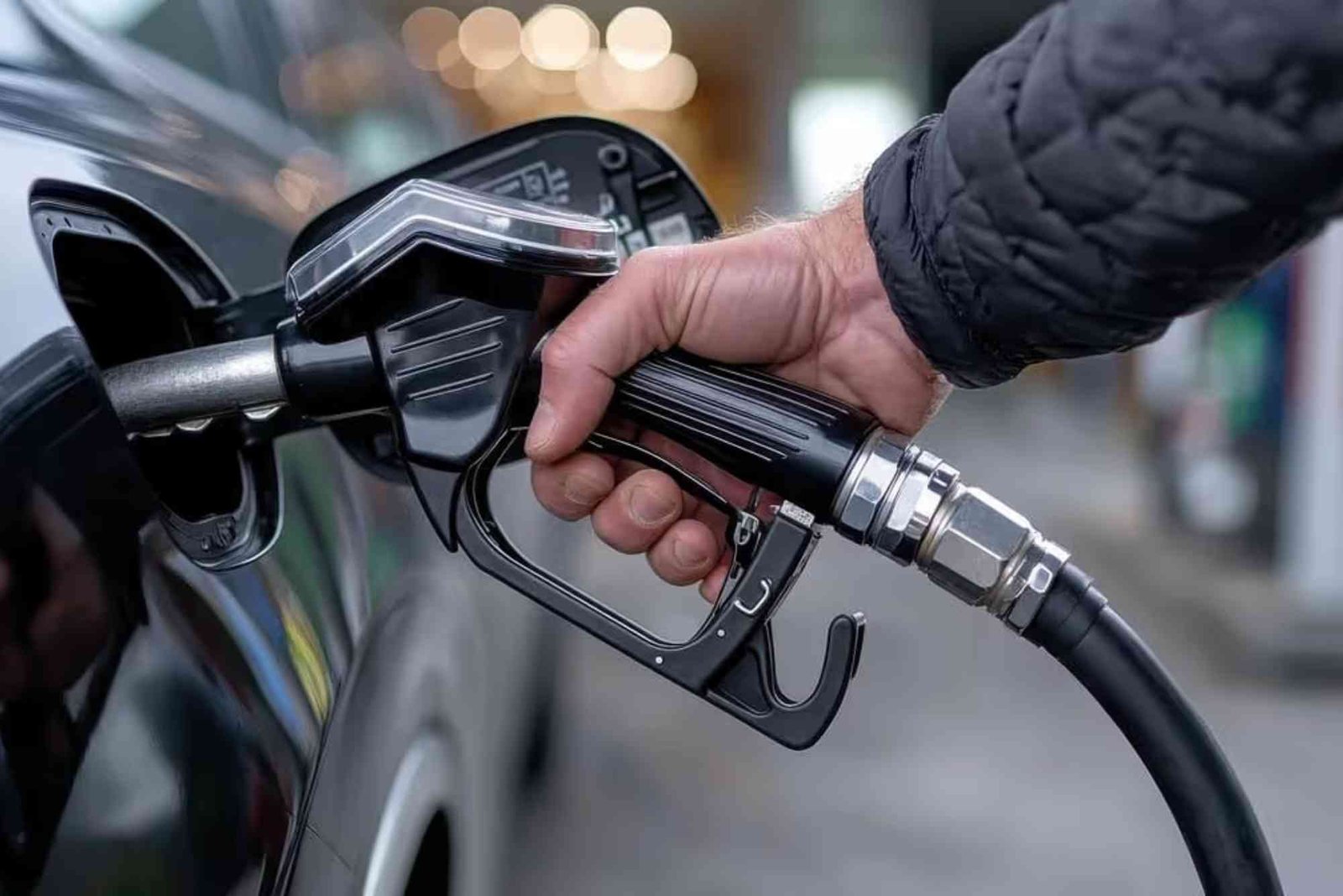

Buying a vehicle can feel overwhelming when money is tight. However, with the right strategy, you can find a reliable car without stretching your finances. Many buyers focus only on the purchase price, but long-term ownership costs matter just as much. Fuel expenses, maintenance, insurance, and registration fees can significantly affect your budget after the purchase.
Understand Your Total Budget Before Shopping
One of the most important Tips for Buying a Vehicle with a Limited Budget is knowing exactly how much you can afford. Many people focus only on monthly payments and overlook additional costs. This often leads to financial strain later. Start by calculating your available savings and monthly income. Determine a comfortable spending limit that will not interfere with essential expenses. Remember to include fuel, maintenance, insurance, taxes, and registration fees in your calculations.
A realistic budget creates clear boundaries and prevents emotional decisions. It also helps narrow your options, making the shopping process much easier and more efficient.
Choose Reliability Over Appearance
A shiny exterior may look appealing, but reliability should always come first. Buyers with limited budgets cannot afford frequent repairs or unexpected breakdowns.
Research vehicles known for long-term durability. Reliable models often have lower maintenance costs and better availability of replacement parts. While luxury features may be attractive, they are not always practical when money is limited. Focusing on dependable transportation rather than appearance can save thousands of dollars over the life of the vehicle. This approach is one of the most effective Tips for Buying a Vehicle with a Limited Budget because it reduces future expenses significantly.
Consider Buying a Used Vehicle
Used vehicles often provide excellent value for budget-conscious buyers. New vehicles lose a substantial portion of their value during the first few years of ownership. By purchasing a well-maintained used model, you avoid much of this depreciation. Many modern vehicles remain reliable for well over 150,000 miles when properly maintained. Therefore, a carefully selected used vehicle can offer years of dependable service at a fraction of the cost of a new one.

When considering used options, prioritize service history, maintenance records, and overall condition. These factors are often more important than age alone.
Research Market Prices Thoroughly
Knowledge is a powerful negotiating tool. Before contacting sellers, spend time researching average prices for the vehicles you are considering. Compare listings across multiple platforms and local markets. Pay attention to mileage, condition, maintenance history, and optional features. This research helps you identify fair pricing and recognize overpriced listings immediately.
Understanding market value also strengthens your position during negotiations. Sellers are less likely to overcharge informed buyers who know current pricing trends.
Get Pre-Approved for Financing
If financing is necessary, obtaining pre-approval before shopping can provide several advantages. It helps establish a firm spending limit and allows you to compare interest rates from different lenders. Pre-approval also gives you stronger negotiating power because sellers know financing is already arranged. Additionally, you can focus on the vehicle price rather than becoming distracted by monthly payment discussions.
Among the most practical Tips for Buying a Vehicle with a Limited Budget is avoiding high-interest loans. Even a small difference in interest rates can save hundreds or thousands of dollars over the life of the loan.
Inspect the Vehicle Carefully
Never purchase a vehicle without performing a thorough inspection. Even attractive listings can hide costly problems beneath the surface. Examine the body for signs of rust, mismatched paint, or accident damage. Check tire condition, fluid levels, brakes, lights, and interior wear. During a test drive, pay attention to unusual noises, vibrations, or handling issues.
If possible, hire a trusted mechanic for a professional pre-purchase inspection. While this may involve a small upfront cost, it can prevent expensive repair bills later.
Review Maintenance Records
Maintenance history reveals how well a vehicle has been cared for over time. Consistent servicing often indicates responsible ownership and lower future risk. Look for records showing regular oil changes, brake service, tire rotations, and manufacturer-recommended maintenance. Missing records do not automatically mean problems exist, but documented maintenance provides valuable reassurance.
One of the smartest Tips for Buying a Vehicle with a Limited Budget is choosing vehicles with complete service histories whenever possible.
Take a Comprehensive Test Drive
A short drive around the block is rarely enough to evaluate a vehicle properly. Spend sufficient time testing the vehicle under different driving conditions. Drive on city streets and highways if possible. Test acceleration, braking, steering response, and transmission performance. Check comfort levels, visibility, and ease of operation.
Pay close attention to warning lights, strange sounds, or unusual behavior. Any concerns should be investigated before completing the purchase.
Negotiate with Confidence
Many buyers feel uncomfortable negotiating, but it remains one of the most effective ways to save money. Sellers often expect negotiation and may leave room for price adjustments. Use your market research and inspection findings to support your offer. Remain respectful and professional throughout the discussion. Avoid appearing overly eager, as this can weaken your bargaining position.
Even modest discounts can make a significant difference when working within a limited budget. Therefore, negotiation should always be part of your purchasing strategy.
Factor in Ownership Costs
The purchase price represents only one part of vehicle ownership. Ongoing expenses can vary dramatically between different models. Fuel efficiency affects monthly operating costs. Insurance premiums differ based on vehicle type, safety ratings, and repair costs. Maintenance requirements also vary significantly among manufacturers.
When evaluating options, compare total ownership expenses rather than focusing solely on sticker price. This broader perspective often reveals better long-term value.
Avoid Unnecessary Features
Advanced technology and luxury upgrades can increase costs substantially. While these features may be appealing, they are not always essential for everyday transportation. Features such as premium audio systems, panoramic sunroofs, and advanced entertainment packages often raise purchase prices and repair costs. Prioritizing practical necessities helps maintain affordability.
For buyers following Tips for Buying a Vehicle with a Limited Budget, focusing on core reliability and safety features usually delivers the best value.
Check Insurance Costs Before Buying
Insurance premiums can surprise first-time buyers. Some vehicles cost significantly more to insure due to repair expenses, theft rates, or performance characteristics.
Before making a final decision, obtain insurance quotes for your preferred models. This simple step provides a more accurate understanding of total ownership costs. Affordable insurance can make an otherwise expensive vehicle much more practical within your financial limits.
Be Patient and Avoid Impulse Purchases
Patience often leads to better deals. Buyers who rush the process frequently overlook problems or overpay for vehicles that fail to meet their needs.
Monitor listings regularly and compare multiple options before making a commitment. Waiting for the right opportunity can result in significant savings and better vehicle quality. One of the most overlooked Tips for Buying a Vehicle with a Limited Budget is simply allowing enough time for thorough research and evaluation.
Know When to Walk Away
Not every deal deserves your attention. If a seller refuses inspections, provides inconsistent information, or pressures you into a quick decision, consider it a warning sign.
Walking away protects both your finances and peace of mind. Another opportunity will always appear. Remaining disciplined helps prevent costly mistakes and buyer’s remorse. Successful vehicle purchases often come from patience and careful decision-making rather than aggressive pursuit of a single option.
Frequently Asked Questions
What is the best way to buy a vehicle on a tight budget?
Start by setting a realistic budget, researching reliable models, comparing prices, and considering well-maintained used vehicles. Always inspect the vehicle thoroughly before purchasing.
Should I buy a new or used vehicle with limited funds?
Used vehicles generally offer better value because they avoid rapid depreciation. A properly maintained used vehicle can provide reliable transportation at a lower cost.
How much should I spend on a vehicle based on my income?
Many financial experts recommend keeping transportation expenses manageable within your monthly budget. Ensure payments, insurance, fuel, and maintenance remain affordable alongside other obligations.
Is a pre-purchase inspection worth the cost?
Yes. A professional inspection can identify hidden problems and potentially save thousands of dollars in future repairs.
How can I negotiate a better vehicle price?
Research market values, identify any issues during inspection, and make reasonable offers based on factual information. Confidence and preparation improve negotiation outcomes.
What should I check before buying a used vehicle?
Review maintenance records, inspect the exterior and interior, test drive the vehicle, verify ownership documents, and obtain a professional inspection whenever possible.
Conclusion
Finding reliable transportation on a limited budget is entirely achievable with careful planning and informed decision-making. By following these Tips for Buying a Vehicle with a Limited Budget, you can avoid common mistakes, reduce long-term costs, and purchase a vehicle that meets your needs without creating financial stress.
Explore how the Latest Automotive Technology is transforming modern vehicles with smart systems, improved safety, and fuel efficiency. This anchor text is useful for internal linking and SEO structure. Using ka anchor text for internal linking helps connect related pages and improves website navigation and ranking performance. It also supports better SEO optimization across automotive blogs online.