
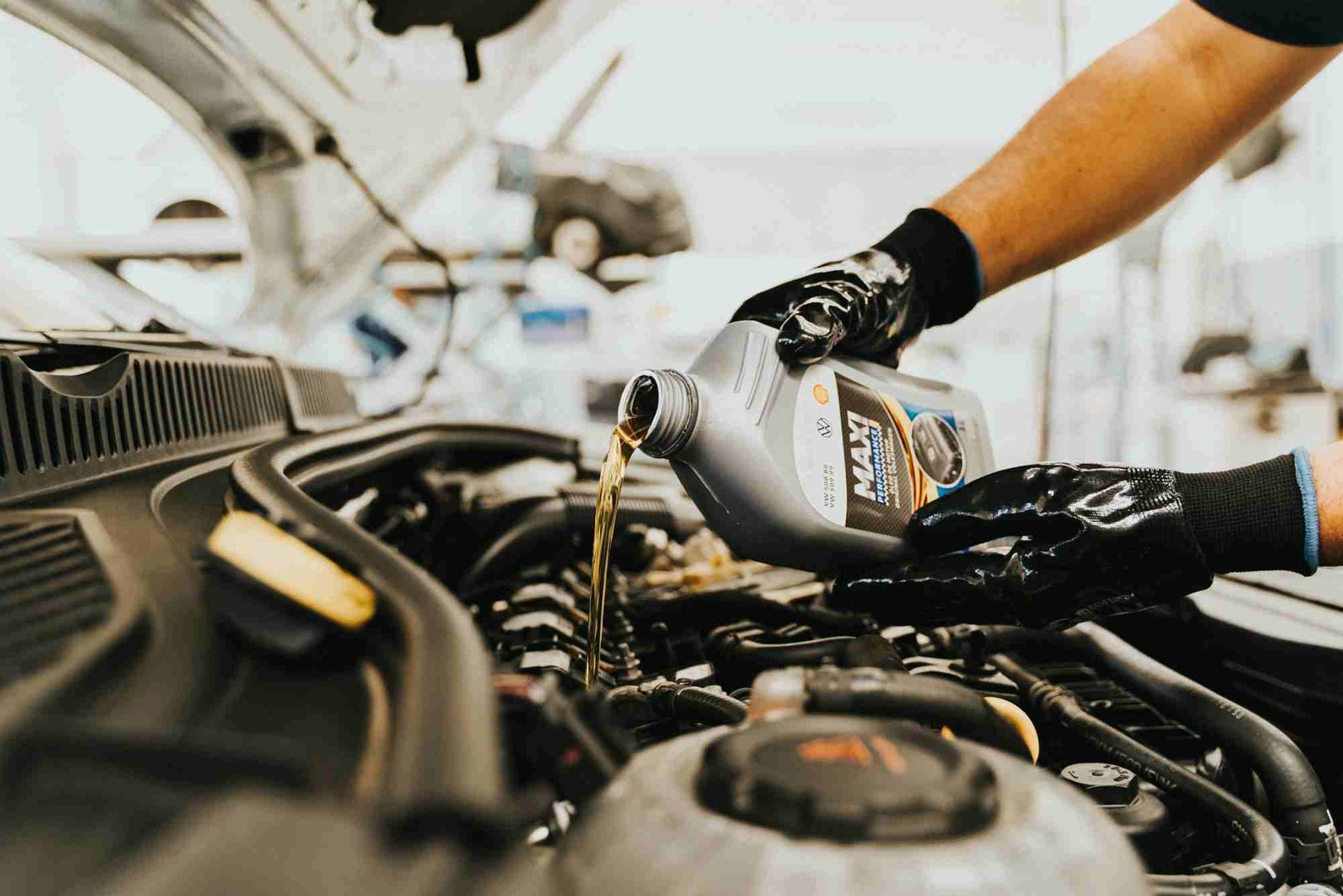
Keeping up with vehicle maintenance is one of the most important responsibilities of any car owner. Among all maintenance tasks, regular oil changes remain one of the simplest yet most effective ways to protect an engine. The benefits of regular oil changes go far beyond simply replacing old oil. They help improve performance, increase fuel efficiency, reduce wear and tear, and extend the lifespan of a vehicle.
Many drivers underestimate the importance of changing engine oil on time. However, engine oil serves as the lifeblood of a vehicle. It lubricates moving parts, reduces friction, removes contaminants, and helps regulate engine temperature. When oil becomes dirty or breaks down over time, it loses its ability to perform these crucial functions effectively.
Why Engine Oil Is Essential for Your Vehicle
Engine oil performs several critical functions that keep a vehicle running smoothly. It creates a protective layer between moving metal components, reducing friction and preventing excessive wear. Additionally, oil helps clean the engine by capturing dirt, debris, and contaminants that could otherwise cause damage.
Modern engines operate under extreme temperatures and pressures. Without proper lubrication, components can overheat and wear out quickly. This is why manufacturers recommend changing oil at specific intervals based on driving habits and vehicle type. When fresh oil circulates through the engine, it ensures optimal performance and protection. As a result, one of the major benefits of regular oil changes is maintaining a healthy and efficient engine.
Improved Engine Performance
Fresh engine oil allows all moving parts to operate smoothly. Over time, oil becomes contaminated with dirt, dust, and tiny metal particles. These contaminants reduce the oil’s effectiveness and increase friction inside the engine. When friction increases, the engine must work harder to perform everyday tasks. This can lead to sluggish acceleration and reduced responsiveness. By replacing old oil with fresh, clean oil, drivers can restore proper lubrication and improve overall engine performance.
One of the most noticeable benefits of regular oil changes is a smoother driving experience. The engine runs more efficiently, responds faster, and operates with less strain.

Enhanced Fuel Efficiency
Fuel efficiency is a major concern for many vehicle owners. Rising fuel costs make it important to maximize every gallon of fuel. Clean engine oil plays a significant role in improving fuel economy. As oil ages, it thickens and accumulates contaminants. This increases resistance within the engine, forcing it to consume more fuel to produce the same level of performance. Fresh oil reduces internal friction and helps the engine operate more efficiently.
Among the key benefits of regular oil changes is improved fuel efficiency. Even a small improvement in fuel economy can result in significant savings over time, especially for drivers who travel long distances regularly.
Reduced Engine Wear and Tear
Every time an engine runs, countless metal components move at high speeds. Without adequate lubrication, these parts can grind against one another and suffer damage.
Engine oil creates a protective barrier that minimizes direct metal-to-metal contact. However, as oil degrades, its protective qualities diminish. Dirty oil may even contain abrasive particles that accelerate wear.
Regular oil changes ensure that fresh oil continues to protect critical engine components. This reduces wear and extends the life of essential parts such as pistons, bearings, and camshafts.
The benefits of regular oil changes become especially apparent when comparing well-maintained vehicles with neglected ones. Engines that receive timely oil changes often last significantly longer.
Better Engine Cooling
Many drivers associate engine cooling solely with the radiator and cooling system. While these components are important, engine oil also plays a vital role in temperature regulation. As oil circulates through the engine, it absorbs heat generated by moving components. Fresh oil effectively transfers this heat away from critical parts, helping maintain safe operating temperatures.
When oil becomes dirty or degraded, its cooling ability decreases. This can contribute to overheating and increased stress on engine components. One of the often-overlooked benefits of regular oil changes is improved temperature control. Maintaining proper engine temperatures helps prevent costly mechanical failures.
Protection Against Sludge Build-Up
Engine sludge is a thick, sticky substance that forms when oil breaks down over time. Sludge can block oil passages, restrict circulation, and reduce lubrication throughout the engine. Vehicles that go too long between oil changes are particularly vulnerable to sludge formation. Once sludge accumulates, removing it can be difficult and expensive.
Regular oil changes prevent sludge from developing by removing old oil before it deteriorates significantly. Fresh oil keeps internal engine surfaces cleaner and allows contaminants to be filtered out effectively. Preventing sludge is one of the most valuable benefits of regular oil changes because it helps avoid severe engine damage and costly repairs.
Longer Engine Lifespan
A vehicle’s engine is one of its most expensive components. Replacing an engine can cost thousands of dollars, making preventative maintenance essential. Routine oil changes help preserve engine health by reducing friction, minimizing wear, and preventing contamination. These factors work together to extend the lifespan of the engine.
Many high-mileage vehicles that remain reliable for years have one thing in common: consistent oil maintenance. The benefits of regular oil changes accumulate over time, allowing engines to perform effectively even after hundreds of thousands of miles. Investing in regular oil changes is far less expensive than paying for major engine repairs or replacement.
Lower Repair Costs
Unexpected vehicle repairs can place a significant financial burden on drivers. Fortunately, many costly engine problems can be prevented through routine maintenance. Dirty oil can lead to overheating, excessive wear, and component failure. These issues often require expensive repairs that could have been avoided with timely oil changes.
The benefits of regular oil changes include identifying potential issues early. During an oil service, technicians often inspect the vehicle and may detect leaks, worn components, or other concerns before they become serious problems. Preventative maintenance remains one of the most cost-effective strategies for reducing long-term vehicle ownership expenses.
Reduced Harmful Emissions
Environmental responsibility is becoming increasingly important for drivers worldwide. Clean engine oil contributes to lower vehicle emissions by helping engines operate more efficiently. Contaminated oil can increase engine strain and reduce combustion efficiency. This may result in higher emissions and greater environmental impact.
Regular oil changes support cleaner engine operation and help vehicles meet emissions standards more effectively. Therefore, one of the environmental benefits of regular oil changes is reducing the amount of harmful pollutants released into the atmosphere. Maintaining clean oil is a simple step that contributes to both vehicle performance and environmental sustainability.
Improved Vehicle Reliability
Reliability is essential whether driving to work, traveling with family, or embarking on a long road trip. Few situations are more frustrating than experiencing a breakdown caused by preventable maintenance issues. Regular oil changes help ensure that the engine remains properly lubricated and protected under various driving conditions. This reduces the likelihood of unexpected failures and improves overall reliability.
The benefits of regular oil changes become particularly valuable during extreme weather conditions when engines face additional stress. Proper lubrication helps maintain dependable performance regardless of temperature fluctuations. Drivers who prioritize oil maintenance often enjoy greater confidence and peace of mind behind the wheel.
How Often Should You Change Your Oil?
The ideal oil change interval depends on several factors, including vehicle make, engine type, driving habits, and oil quality. Modern vehicles often require oil changes every 5,000 to 10,000 miles, while some synthetic oils may last even longer.
Drivers should always consult their owner’s manual for manufacturer recommendations. Vehicles used in severe conditions, such as frequent stop-and-go traffic, towing, or extreme temperatures, may require more frequent oil changes.
Conclusion
The benefits of regular oil changes extend far beyond routine maintenance. Fresh engine oil improves performance, enhances fuel efficiency, reduces wear, prevents sludge formation, and extends engine life. It also lowers repair costs, improves reliability, and supports cleaner vehicle operation.
Learning How to Understand Car Dashboard Indicators helps identify warning lights. It improves knowledge of engine, fuel, and safety alerts. Recognizing dashboard indicators early helps avoid costly repairs and ensures safe driving by alerting you to potential issues in time. Always refer to manual for details info.
Frequently Asked Questions
How often should I change my engine oil?
Most modern vehicles require an oil change every 5,000 to 10,000 miles. Always follow your vehicle manufacturer’s recommendations.
What happens if I skip an oil change?
Skipping oil changes can lead to increased engine wear, sludge build-up, overheating, reduced performance, and costly repairs.
Do regular oil changes improve fuel economy?
Yes. Fresh oil reduces engine friction, helping the engine operate more efficiently and potentially improving fuel economy.
Can dirty oil damage my engine?
Yes. Dirty oil loses its lubricating properties and may contain contaminants that accelerate wear and damage engine components.
Are synthetic oils better than conventional oils?
Synthetic oils generally provide better protection, improved performance in extreme temperatures, and longer service intervals than conventional oils.
Related Reading: Benefits of Regular Vehicle Servicing