
Introduction
Learning How to Improve Driving Efficiency is one of the smartest ways to reduce fuel costs, increase vehicle performance, and make every trip safer. Many drivers focus only on reaching their destination quickly. However, efficient driving is about using your vehicle wisely while minimizing unnecessary fuel consumption and wear.
Whether you drive daily for work or only on weekends, small changes in driving habits can produce noticeable savings over time. Smooth acceleration, proper maintenance, and smart route planning all contribute to better efficiency. These habits also reduce stress on your vehicle, helping it last longer.
Understanding Driving Efficiency
Driving efficiency means getting the maximum distance and performance from the least amount of fuel and vehicle effort. It is not only about saving money. It also involves reducing engine strain, lowering emissions, and improving road safety.
An efficient driver anticipates traffic conditions, maintains a steady speed, and avoids unnecessary braking or acceleration. These habits allow the engine to operate more effectively while consuming less fuel. Modern vehicles already include fuel-saving technologies. However, the driver’s behavior remains one of the biggest factors affecting efficiency.
Why Driving Efficiency Matters
Fuel prices continue to fluctuate, making efficient driving more valuable than ever. Every unnecessary acceleration or hard brake wastes fuel and increases operating costs. Improving efficiency also extends the lifespan of important vehicle components. Tires, brakes, suspension parts, and the engine experience less stress when driven smoothly.
Additionally, efficient driving contributes to environmental protection by lowering carbon emissions. Small improvements made by millions of drivers can have a significant positive impact.

How to Improve Driving Efficiency with Better Driving Habits
One of the most effective ways to improve efficiency starts with changing everyday driving habits. Aggressive driving increases fuel consumption considerably. Accelerate gradually instead of pressing the accelerator hard. Smooth acceleration allows the engine to work more efficiently. Likewise, avoid sudden braking whenever possible. Looking farther ahead gives you enough time to slow down naturally.
Maintaining a constant speed also improves efficiency. Frequent speed changes require extra fuel because the engine constantly adjusts its workload. Cruise control can be helpful during long highway trips because it maintains consistent speed without unnecessary acceleration.
Maintain Proper Tire Pressure
Many drivers overlook tire pressure, yet it plays a major role in fuel efficiency. Underinflated tires create additional rolling resistance. As a result, the engine must work harder to move the vehicle.
Check tire pressure at least once each month and before long trips. Always follow the manufacturer’s recommended pressure rather than the maximum value printed on the tire. Properly inflated tires also improve handling, braking performance, and tire lifespan.
Reduce Unnecessary Vehicle Weight
Extra weight forces the engine to consume more fuel. Many vehicles carry unnecessary items in the trunk for months without the owner’s knowledge. Removing heavy tools, unused equipment, or sports gear reduces the vehicle’s overall load.
Roof racks also increase aerodynamic drag even when empty. If you rarely use them, removing them can improve fuel economy during highway driving. Keeping your vehicle lighter is a simple yet effective method when learning How to Improve Driving Efficiency.
Keep Your Vehicle Well Maintained
Routine maintenance keeps every part of your vehicle operating efficiently. Dirty air filters reduce airflow to the engine, making combustion less efficient. Replacing clogged filters helps restore performance.
Regular oil changes also reduce internal engine friction. Always use the oil grade recommended by your manufacturer. Spark plugs should remain in good condition because worn plugs reduce combustion efficiency. Routine inspections also identify small problems before they become expensive repairs. A well-maintained vehicle consistently delivers better fuel economy than one with neglected maintenance.
Drive at Moderate Speeds
Higher speeds dramatically increase aerodynamic resistance. While every vehicle differs, fuel efficiency often decreases once speeds exceed highway limits. Driving slightly slower during long journeys often saves more fuel than many drivers expect.
Besides lowering fuel consumption, moderate speeds improve reaction time and reduce accident risk. Finding the balance between safe travel and reasonable speed is essential for efficient driving.
Avoid Excessive Idling
Leaving the engine running while parked wastes fuel without moving the vehicle. Modern engines no longer require long warm-up periods before driving.
If you expect to remain stopped for more than a minute, turning off the engine can reduce unnecessary fuel use. Many newer vehicles include automatic start-stop systems specifically designed to minimize idle fuel consumption. Reducing idle time is another practical answer to How to Improve Driving Efficiency.
Use Air Conditioning Wisely
Air conditioning improves comfort but also increases engine load. During city driving, excessive air conditioning can slightly reduce fuel economy.On highways, however, driving with windows fully open creates aerodynamic drag that may reduce efficiency more than using air conditioning.
The best approach depends on your driving conditions. Use climate controls sensibly while maintaining passenger comfort and visibility.
Plan Your Trips Efficiently
Good planning saves both time and fuel. Combining multiple errands into one trip reduces repeated engine warm-ups. Cold engines consume more fuel than fully warmed engines.
Navigation apps also help avoid traffic congestion and road closures. Choosing routes with smoother traffic flow often proves more efficient than selecting the shortest distance. Planning ahead reduces unnecessary mileage and improves overall driving efficiency.
Practice Defensive Driving
Defensive driving naturally supports efficient driving. Watching traffic farther ahead helps predict changes before they happen.
Instead of reacting suddenly, you can adjust speed gradually. This reduces heavy braking and rapid acceleration, both of which waste fuel. Defensive driving also lowers accident risk while creating a more relaxed driving experience.
Choose the Right Fuel
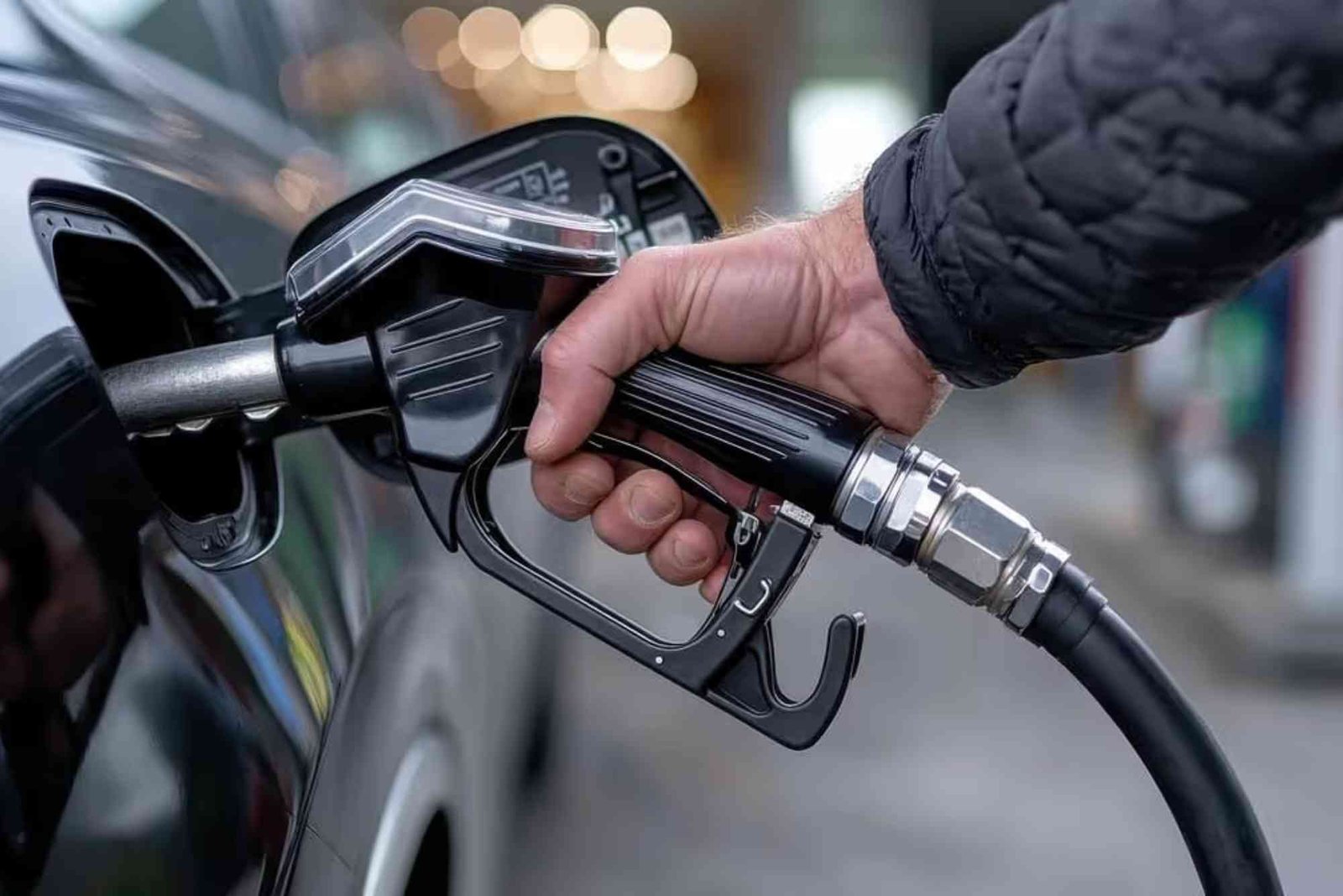
Always use the fuel grade recommended by your vehicle manufacturer. Many drivers mistakenly believe premium fuel automatically improves efficiency.
Unless your engine specifically requires premium fuel, higher-octane gasoline usually provides little benefit. Following manufacturer recommendations ensures optimal combustion and performance.
Monitor Fuel Consumption
Tracking fuel usage helps identify changes in vehicle performance. Many modern vehicles display real-time fuel economy information.
Monitoring these numbers encourages smoother driving habits. Sudden drops in fuel economy may also indicate maintenance issues requiring attention. Keeping simple fuel records makes it easier to evaluate improvements over time.
Use Technology to Improve Efficiency
Modern vehicles include several features that support efficient driving. Eco driving modes adjust throttle response and transmission behavior to reduce fuel consumption. Start-stop technology automatically switches off the engine during short stops. Hybrid and electric vehicles also provide energy-monitoring displays that help drivers optimize efficiency.
Using available technology correctly makes efficient driving much easier.
Seasonal Tips for Better Driving Efficiency
Weather conditions affect fuel economy throughout the year. Cold temperatures increase engine warm-up time while reducing tire pressure. During winter, checking tire pressure more frequently becomes especially important.
In summer, keeping cooling systems properly maintained prevents unnecessary engine strain. Seasonal maintenance helps your vehicle remain efficient regardless of weather conditions.
Common Mistakes That Reduce Driving Efficiency
Many drivers unknowingly develop habits that waste fuel. Rapid acceleration is among the most common mistakes. Ignoring maintenance schedules also gradually reduces efficiency.
Driving with underinflated tires, carrying unnecessary weight, and leaving the engine idling all contribute to higher fuel consumption. Recognizing these habits is the first step toward lasting improvement.
Long-Term Benefits of Improving Driving Efficiency
Drivers who consistently practice efficient driving enjoy lower operating costs year after year. Fuel savings accumulate significantly over thousands of miles.
Vehicles maintained properly often experience fewer mechanical failures. Efficient driving also creates a smoother, more comfortable experience for passengers. Most importantly, these habits contribute to safer roads and reduced environmental impact.
Conclusion
Understanding How to Improve Driving Efficiency is about more than saving fuel. It is about driving smarter, protecting your vehicle, and making every journey safer. Small improvements such as maintaining tire pressure, accelerating smoothly, reducing unnecessary weight, and following regular maintenance schedules create long-term benefits that quickly add up.
Owning a new car comes with the responsibility of proper care to ensure long-lasting performance and reliability. Following essential Maintenance Tips for New Car Owners such as regular oil changes, checking tire pressure, inspecting fluid levels, and following the manufacturer’s service schedule can help prevent costly repairs and keep your vehicle running smoothly.
Frequently Asked Questions
How can I improve driving efficiency every day?
Drive smoothly, maintain steady speeds, avoid unnecessary idling, keep tires properly inflated, and perform regular vehicle maintenance.
Does driving slower improve fuel efficiency?
Yes. Moderate speeds generally improve fuel economy because aerodynamic resistance increases rapidly at higher speeds.
What is the biggest factor affecting driving efficiency?
Driver behavior has one of the greatest impacts. Smooth acceleration, gentle braking, and maintaining consistent speed significantly improve efficiency.
Do properly inflated tires improve fuel economy?
Yes. Proper tire pressure reduces rolling resistance, allowing the vehicle to move more efficiently while consuming less fuel.
Is cruise control good for fuel efficiency?
On highways with consistent traffic, cruise control often improves fuel efficiency by maintaining a steady speed.
Related Reading: How to Check the Original Mileage of a Used Car: Indicators That Are Often Overlooked
Related Reading: Safe Driving Habits Every Day
Related Reading: How to Improve Cabin Comfort