Driving a car every day is ideal for keeping it in top shape. However, not everyone uses their vehicle regularly. Some cars are rarely used due to work schedules, weather conditions, or other factors. Cars that sit idle for long periods often experience faster performance decline, including dead batteries, flat tires, and engines that are difficult to start. That’s why understanding how to maintain your car’s performance even if rarely used is essential for every car owner.
Keeping your car in good condition even when not frequently driven not only ensures it’s ready to go at any time but also extends the lifespan of the engine and other components. In this article, we’ll cover effective maintenance strategies to keep your vehicle in peak condition.
The Importance of Maintaining a Rarely Used Car
A car that is rarely driven may look fine externally, but problems can develop internally. Engine oil can settle, batteries can weaken, and tires can deform from static pressure. These issues not only reduce comfort but can also pose safety risks.
Routine maintenance for rarely used cars helps prevent sudden breakdowns. Even simple steps like starting the engine regularly improve oil circulation and prevent rust on essential components. By understanding how to maintain your car’s performance even if rarely used, you can minimize repair costs and ensure your vehicle is always road-ready.
Keeping the Engine in Top Shape
Start the Car Regularly
Engines that sit idle for long periods can have oil settle and internal components lose lubrication. The simple solution is to start the car at least once a week. Let it run for 10–15 minutes to circulate oil throughout the engine, including pistons and cylinders. Additionally, running the engine briefly helps the cooling system function and prevents rust in the exhaust.
Check Engine Oil and Fluids
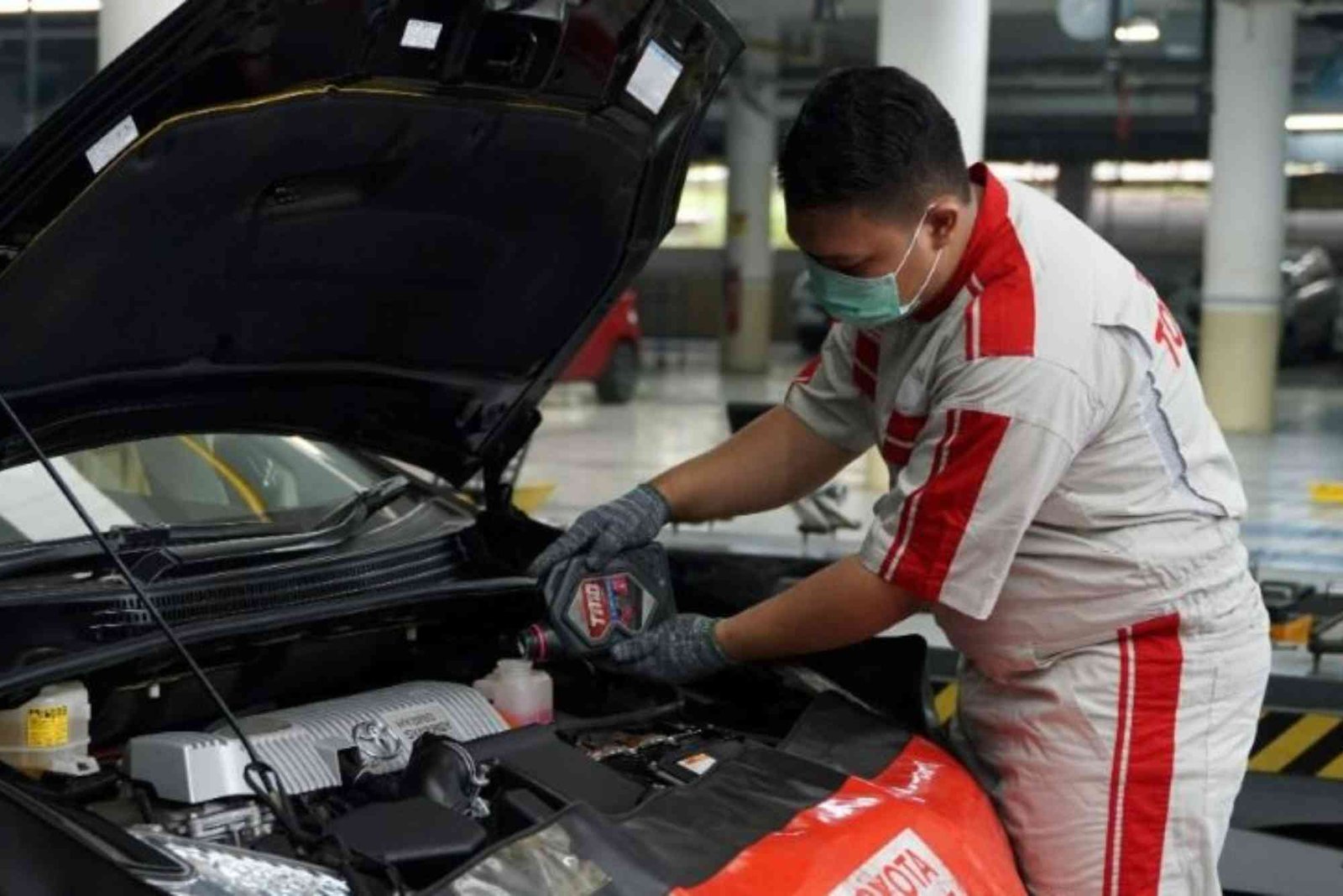
Old or neglected engine oil loses effectiveness over time. For cars rarely used, check the oil monthly and replace it according to the manufacturer’s schedule. Other fluids such as brake fluid, coolant, and power steering fluid should also be inspected regularly. Replacing dirty oil or depleted fluids prevents serious engine and system damage.

Battery and Electrical System Care
Keep the Battery Charged
Car batteries can easily die if the vehicle is not used often. To maintain performance, check the battery every few weeks. Using an automatic battery charger helps keep voltage stable. This ensures your car can start at any time without the risk of a dead battery.
Inspect Lights and Electronics
Electronic components like lights, wipers, and audio systems can also be affected by inactivity. Turning on all electronic systems occasionally helps ensure everything functions properly and prevents corrosion in cables and connectors.
Tire and Suspension Maintenance
Tires that remain stationary for too long can develop flat spots. Regularly checking tire pressure and keeping it at manufacturer-recommended levels ensures safety and comfort while driving. If possible, move the car slightly forward or backward each week to prevent tires from sticking in one position.
Suspension components also need attention even if the car is seldom driven. Driving the car occasionally maintains the elasticity of shocks and prevents suspension parts from becoming stiff due to long periods of inactivity.
Interior and Exterior Care
The car interior can become damp and develop odors if unused. Make sure to turn on the air conditioning and ventilation occasionally to maintain air circulation. Using seat covers and wiping surfaces regularly prevents dust buildup.
Externally, the car should also be maintained. Washing and polishing the car regularly preserves the paint and protects against rust, especially on the underside that is prone to moisture exposure.
Additional Tips for Rarely Used Cars
Beyond routine maintenance, several extra strategies help maintain car performance. First, store the car in a dry garage protected from direct sunlight to prevent paint and interior damage. Second, use a car cover to reduce dust accumulation. Third, for vehicles that will be unused for a long period, consider disconnecting the battery and storing it in a dry place to avoid discharge.
By combining routine care with these extra tips, your car can remain in excellent condition even when rarely driven.
Maintaining your car’s performance even if rarely used requires attention to the engine, battery, tires, suspension, and interior/exterior condition. Regularly starting the engine, checking fluids, maintaining tire pressure, and protecting electronic components are all essential steps. By following these measures, your car will always be ready to drive, and its lifespan can be extended.
Start a maintenance routine now to keep your vehicle performing at its best. Don’t let infrequent use be a reason for your car to deteriorate.
FAQ
Do I need to start my car every week if it’s rarely used?
Yes, running the engine for 10–15 minutes weekly helps circulate oil, keeps the battery charged, and prevents rust in the exhaust.
How should I maintain a battery in a rarely used car?
Check the battery regularly, use an automatic charger, and ensure terminals are clean from corrosion to maintain readiness.
Can tires be damaged if the car is stationary for long periods?
Yes, tires may develop flat spots. Keep tire pressure at recommended levels and move the car slightly each week.
Will the car interior be damaged if unused?
The interior can become damp and smell musty. Turning on AC and ventilation occasionally helps maintain airflow.
How often should engine oil be changed for a rarely used car?
Even if rarely driven, change engine oil according to the manufacturer’s schedule or at least every 6–12 months.
Why Do Used Car Prices Drop Drastically? Used car prices can drop drastically due to the vehicle’s age, high mileage, and declining engine condition. Additionally, lower market demand and the release of new models make older cars less desirable, forcing sellers to reduce prices to sell quickly.