Introduction
Your vehicle’s braking system is one of the most important safety components on the road. Whether you drive daily in city traffic or take long highway trips, properly maintained brakes can make the difference between a safe stop and a dangerous situation. Many drivers only think about brake maintenance when they hear squealing sounds or feel vibrations, but regular care can prevent these problems before they start.
Understanding tips for maintaining vehicle brakes can help you reduce repair costs, improve vehicle performance, and increase road safety. Brake systems face constant pressure, heat, friction, and environmental exposure. Over time, these factors naturally wear down brake components, making regular inspection and maintenance essential.
In this guide, you’ll learn practical, expert-backed strategies to keep your braking system in excellent condition and ensure your vehicle remains safe in every driving condition.
Why Brake Maintenance Matters
Your braking system works under extreme conditions. Every time you press the brake pedal, several components work together to slow or stop your vehicle. Brake pads create friction against rotors, hydraulic fluid transfers pressure, and calipers apply force.
When even one component begins to fail, overall braking performance can decline. Poor brake maintenance may lead to longer stopping distances, unusual noises, vibrations, or even complete brake failure.
Following proper tips for maintaining vehicle brakes ensures your system stays responsive, reliable, and safe. Regular maintenance also helps you catch small issues before they become expensive repairs.

Understand How Your Brake System Works
Before maintaining your brakes, it helps to understand the basics of how they function.
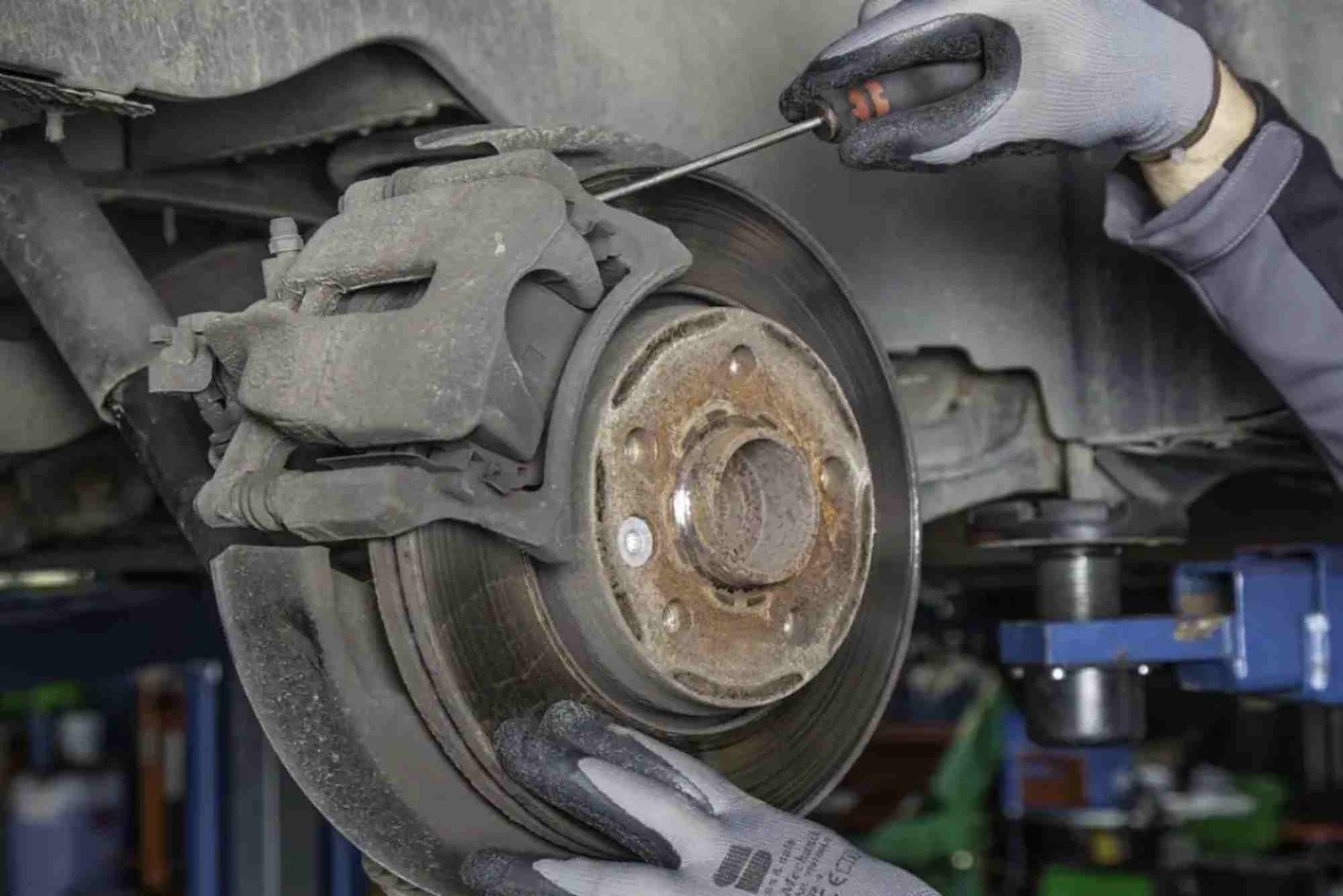
Most modern vehicles use disc brakes on the front wheels and often on the rear as well. When you press the brake pedal, hydraulic pressure forces the brake pads against the rotors, creating friction that slows the wheels.
Key brake components include:
Brake Pads
Brake pads create the friction needed to stop your vehicle. They naturally wear down over time and require replacement.
Brake Rotors
Rotors are metal discs that work with the pads. Uneven wear or overheating can damage them.
Brake Fluid
Brake fluid transfers force from your pedal to the braking components. Low or contaminated fluid can reduce braking performance.
Brake Calipers
Calipers squeeze the brake pads against the rotors. Faulty calipers may cause uneven braking.
Understanding these parts makes it easier to identify early warning signs.
Listen for Unusual Brake Noises
One of the easiest tips for maintaining vehicle brakes is paying attention to sounds.
Brake noises often provide early warning of problems. Common sounds include:
Squealing Sounds
A high-pitched squeal often means brake pads are wearing thin. Many brake pads include wear indicators designed to create this sound.
Grinding Noise
Grinding usually means the brake pads are completely worn out, causing metal-to-metal contact. This can seriously damage rotors.
Clicking or Clunking
Loose components or damaged calipers may create clicking sounds during braking.
Ignoring these sounds can lead to costly repairs and unsafe driving conditions.
Inspect Brake Pads Regularly
Brake pads wear with every stop, making regular inspection essential.
Experts recommend checking brake pads every few months or during routine servicing. The thickness of the pads gives a good indication of their condition.
Signs of Worn Brake Pads
If your brake pads are thin, cracked, or unevenly worn, replacement may be necessary.
Driving Conditions Affect Brake Life
Heavy traffic, mountain driving, and frequent braking can wear pads faster than highway driving.
Following these tips for maintaining vehicle brakes helps extend pad life and maintain safe stopping performance.
Monitor Brake Fluid Condition
Brake fluid is often overlooked, but it plays a critical role in braking performance.
Over time, brake fluid absorbs moisture from the air. This contamination can reduce hydraulic pressure and cause braking issues.
Check Fluid Levels
Low brake fluid may indicate leaks or worn brake components.
Look at Fluid Color
Fresh brake fluid is usually clear or light amber. Dark fluid may need replacement.
Replace Fluid When Needed
Manufacturers typically recommend brake fluid replacement every two to three years.
Maintaining clean brake fluid improves response and protects internal components.
Pay Attention to Brake Pedal Feel
Your brake pedal can reveal hidden issues.
If the pedal feels different than usual, your braking system may need inspection.
Soft or Spongy Pedal
This may indicate air in the brake lines or contaminated brake fluid.
Hard Brake Pedal
A hard pedal can suggest vacuum booster issues.
Pedal Vibration
Vibration often points to warped brake rotors.
Noticing these changes early is one of the most effective tips for maintaining vehicle brakes.
Avoid Aggressive Braking
Driving habits directly affect brake lifespan.
Sudden, aggressive braking creates excessive heat and friction, accelerating wear.
Brake Smoothly
Anticipate traffic flow and brake gradually.
Maintain Safe Following Distance
Keeping distance reduces the need for sudden stops.
Use Engine Braking When Appropriate
Downshifting in certain driving conditions can reduce brake stress.
Improved driving habits can significantly extend brake component life.
Inspect Brake Rotors for Damage
Brake rotors handle intense heat and pressure.
Over time, rotors may develop grooves, cracks, or uneven surfaces.
Common Rotor Problems
Warping can cause steering wheel vibration during braking.
Heat Damage
Repeated hard braking can create hot spots on the rotor surface.
Surface Wear
Scoring or grooves may reduce braking efficiency.
Regular rotor inspection supports better performance and safer driving.
Keep Wheels and Brake Components Clean
Road dirt, mud, moisture, and brake dust can affect braking performance.
Cleaning your wheels regularly helps reduce contamination around brake components.
Brake Dust Build-Up
Excess dust may trap heat and moisture.
Corrosion Prevention
Cleaning reduces the risk of rust on exposed components.
Seasonal Protection
Winter roads with salt can accelerate brake corrosion.
Clean brake components often last longer and perform more consistently.
Never Ignore Dashboard Warning Lights
Modern vehicles include brake warning systems for a reason.
If your brake warning light appears, immediate attention is necessary.
The warning could indicate low brake fluid, worn brake pads, ABS issues, or hydraulic system faults.
Ignoring warning lights can compromise safety.
Schedule Professional Brake Inspections
Even if your brakes seem fine, professional inspections remain essential.
Experienced technicians can spot early wear patterns, fluid contamination, rotor damage, and hidden hydraulic issues.
When to Schedule an Inspection
Annual inspections are recommended for most drivers.
High-Mileage Drivers
Frequent drivers may need inspections more often.
Before Long Trips
Checking brakes before road trips helps prevent unexpected failures.
Professional inspections are among the smartest tips for maintaining vehicle brakes.
Seasonal Brake Maintenance Tips
Different weather conditions affect your braking system.
Summer Brake Care
High temperatures can increase brake heat and wear.
Rainy Season Maintenance
Water exposure can increase corrosion risk.
Winter Brake Protection
Snow, ice, and road salt can damage components.
Adjusting maintenance based on seasons helps keep brakes reliable year-round.
Signs Your Brakes Need Immediate Attention
Some warning signs should never be ignored.
If your vehicle pulls to one side while braking, makes grinding sounds, or requires longer distances to stop, immediate inspection is necessary.
Burning smells after braking may also indicate overheating.
Recognizing these symptoms early can prevent accidents and expensive repairs.
Your braking system deserves regular attention because your safety depends on it. By following these practical tips for maintaining vehicle brakes, you can improve stopping performance, reduce repair costs, and extend the life of your vehicle.
FAQs
How often should brakes be checked?
Most experts recommend brake inspections every 10,000 to 15,000 kilometers or during routine vehicle servicing.
How long do brake pads usually last?
Brake pads typically last between 30,000 and 70,000 kilometers, depending on driving habits and road conditions.
Why do brakes squeak when stopping?
Squeaking often happens because of worn brake pads, moisture, dust buildup, or glazing on brake components.
Can low brake fluid affect stopping performance?
Yes, low brake fluid can reduce hydraulic pressure and make braking less responsive.
Is it safe to drive with grinding brakes?
No. Grinding usually means severe brake pad wear and requires immediate repair to prevent further damage.
Automotive Trends You Need to Know: The automotive industry is evolving faster than ever, bringing exciting innovations for drivers and businesses alike. From electric vehicles and smart connectivity to autonomous driving features and sustainable manufacturing, modern automotive trends are reshaping transportation. Staying updated with these changes helps consumers make smarter decisions in a rapidly advancing market.