
Introduction
Winter can be one of the most challenging seasons for drivers. Snow-covered roads, freezing temperatures, reduced visibility, and icy conditions all put extra stress on your car. Knowing how to prepare your vehicle for winter is not just about convenience—it’s about safety, reliability, and avoiding expensive repairs when temperatures drop.
Drivers who take time to winterize their vehicles often experience fewer breakdowns, better road control, and greater peace of mind during harsh weather. Whether you drive daily for work, travel long distances, or simply run errands around town, preparing your vehicle before winter arrives can make all the difference.
In this guide, you’ll learn exactly how to prepare your vehicle for winter, from checking your battery to inspecting your tires and protecting your engine. These practical steps can help your car handle even the coldest months with confidence.
Why Winter Preparation Matters for Your Vehicle
Cold weather affects nearly every part of a vehicle. Engine oil thickens, batteries lose efficiency, tire pressure drops, and rubber components become less flexible. If your vehicle is already showing minor signs of wear, winter conditions can quickly turn small issues into major problems.
Preparing ahead gives you several benefits:
Your engine performs more efficiently in cold weather.
Your tires maintain better traction on wet or icy roads.
Your battery has a lower chance of failing unexpectedly.
You reduce the risk of emergency roadside breakdowns.
You improve safety for yourself and your passengers.

Understanding how to prepare your vehicle for winter can save both time and money throughout the season.
Check Your Vehicle Battery Before Temperatures Drop
One of the first things to inspect when learning how to prepare your vehicle for winter is your battery.
Cold temperatures reduce battery capacity, making it harder for your engine to start. A battery that works fine in summer may struggle in freezing weather.
Test Battery Voltage
If your battery is more than three years old, have it tested. Weak batteries often fail during the first major cold snap.
Look for warning signs such as:
Slow engine cranking
Dim headlights
Dashboard battery warning lights
Electrical accessories running weaker than normal
Inspect Battery Terminals
Corrosion on battery terminals can interrupt electrical flow. Clean any buildup and make sure connections are tight.
If your battery is near the end of its life, replacing it before winter is usually cheaper than dealing with a breakdown later.
Inspect and Replace Tires if Necessary
Tires play a major role in winter safety. Even the best braking systems cannot compensate for poor tire traction.
When thinking about how to prepare your vehicle for winter, tires should always be a top priority.
Check Tire Tread Depth
Worn tires lose grip on wet, snowy, or icy roads.
A good tread depth improves:
Cornering control
Braking performance
Hydroplaning resistance
Snow traction
Monitor Tire Pressure
Cold air causes tire pressure to drop. Underinflated tires reduce fuel efficiency and can affect handling.
Check tire pressure regularly during winter and adjust according to your vehicle manufacturer’s recommendation.
Consider Winter Tires
If you live in areas with heavy snow or ice, winter tires offer better traction and control compared to all-season tires.
Inspect Engine Oil and Fluids
Another important step in how to prepare your vehicle for winter is checking essential fluids.
Cold weather can make fluids thicker and less effective.
Engine Oil
Use the correct oil viscosity recommended for winter driving. Lower-viscosity oils flow better in cold temperatures, helping your engine start more easily.
Coolant
Coolant protects your engine from freezing and overheating.
Check:
Coolant level
Coolant concentration
Signs of leaks
A proper coolant mixture is critical during winter.
Windshield Washer Fluid
Replace standard washer fluid with winter-grade fluid designed to resist freezing.
This helps keep your windshield clear during snow, slush, and road spray.
Brake Fluid and Transmission Fluid
Low or contaminated fluids can affect vehicle performance in winter conditions.
Have them inspected during seasonal maintenance.
Test Your Vehicle Braking System
Brakes are essential year-round, but they become even more important during winter.
Understanding how to prepare your vehicle for winter includes making sure your braking system works properly.
Listen for:
Grinding noises
Squealing sounds
Soft brake pedal feel
Longer stopping distances
If you notice any of these signs, get your brakes inspected immediately.
Snow and ice already reduce stopping ability—worn brakes only increase the danger.
Check Wiper Blades and Visibility Systems
Poor visibility is a common winter driving hazard.
Replace Worn Wiper Blades
Old blades leave streaks and reduce visibility during snow or rain.
Winter blades are designed to handle ice buildup more effectively.
Inspect Lights
Check all exterior lights:
Headlights
Brake lights
Turn signals
Fog lights
Winter days are shorter, so lighting becomes even more important.
Defroster and Heater Check
Your defroster and cabin heater help maintain visibility and comfort.
If your windows take too long to clear, have the system inspected.
Inspect Belts, Hoses, and Engine Components
Cold weather can make rubber parts brittle.
When learning how to prepare your vehicle for winter, don’t ignore under-the-hood components.
Inspect:
Drive belts for cracks
Radiator hoses for leaks
Loose clamps
Signs of wear or aging
Replacing worn components before winter helps prevent breakdowns.
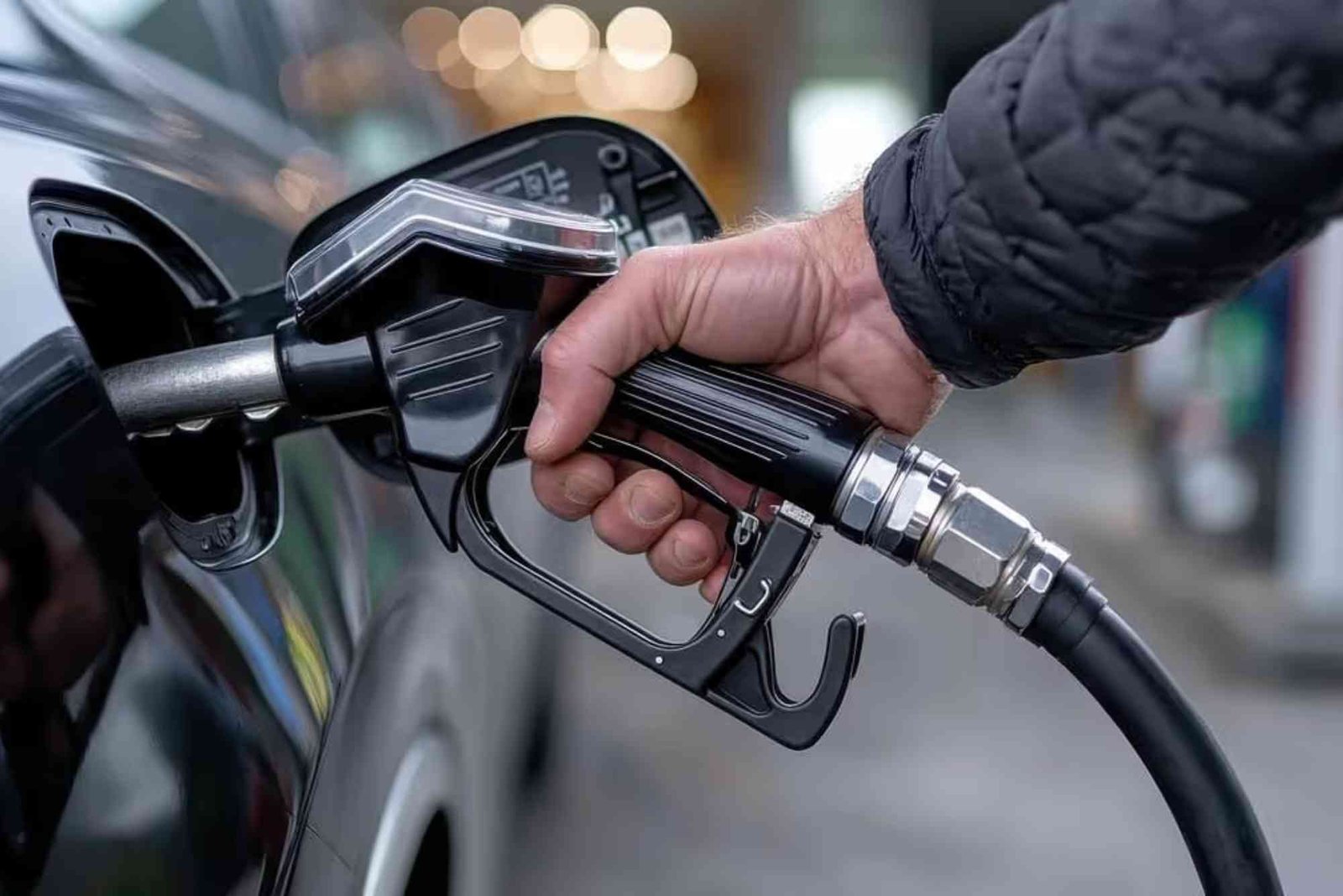
Keep Your Fuel Tank Above Half Full
Many experienced drivers follow this simple winter habit.
Keeping your fuel tank at least half full helps:
Reduce moisture buildup inside the tank
Prevent fuel line freezing
Provide extra range in emergencies
This small habit supports overall winter reliability.
Prepare an Emergency Winter Kit
Even a well-maintained vehicle can face unexpected winter challenges.
A winter emergency kit may include:
Warm blankets
Flashlight
Phone charger
Water
Non-perishable snacks
Ice scraper
Jumper cables
Gloves
Small shovel
First aid supplies
Preparing for emergencies is part of fully understanding how to prepare your vehicle for winter.
Check Your Heating and Climate Control System
A properly functioning heater keeps you comfortable and safe.
Your heating system also helps:
Defrost windows
Reduce cabin moisture
Maintain visibility
If your heater blows cool air or works inconsistently, fix it before winter arrives.
Protect Your Vehicle Exterior
Winter road salt, moisture, and grime can damage your car’s paint and underbody.
Wash and Wax Your Vehicle
A protective wax layer helps shield paint from harsh weather.
Clean the Undercarriage
Road salt often accumulates underneath the vehicle, leading to corrosion over time.
Regular winter washes can help prevent rust.
Inspect Four-Wheel Drive or All-Wheel Drive Systems
If your vehicle has AWD or 4WD, make sure it’s functioning correctly before winter starts.
Check:
Transfer case operation
Differential fluids
Drive system engagement
These systems can improve traction, but only if they’re working properly.
Driving Habits Matter Too
Knowing how to prepare your vehicle for winter is important, but safe driving habits matter just as much.
During winter:
Accelerate gently
Brake early
Increase following distance
Avoid sudden steering inputs
Drive slower on slippery roads
Even a fully prepared vehicle needs responsible driving.
Common Mistakes Drivers Make Before Winter
Many drivers skip important maintenance steps until problems appear.
Common mistakes include:
Ignoring battery warning signs
Driving on worn tires
Using summer washer fluid
Skipping coolant checks
Waiting too long to replace wiper blades
Avoiding these mistakes improves winter safety.
FAQs
How do I know if my car battery will survive winter?
If your battery is more than three years old or your engine starts slowly, have it professionally tested before temperatures drop.
Do I really need winter tires?
If you regularly drive in snow, ice, or freezing temperatures, winter tires can significantly improve safety and control.
What fluids should I check before winter?
Check engine oil, coolant, brake fluid, transmission fluid, and windshield washer fluid before winter begins.
How often should I check tire pressure in winter?
Check tire pressure at least once a month, or whenever temperatures drop significantly.
Should I warm up my car before driving in winter?
Modern vehicles usually need only a short warm-up period. Gentle driving helps the engine reach operating temperature more efficiently.
Learning how to prepare your vehicle for winter is one of the smartest investments you can make as a driver. From checking your battery and tires to inspecting fluids, brakes, and visibility systems, each step improves safety, reliability, and peace of mind.
Tips for Maintaining Vehicle Brakes – Regular brake maintenance is essential for safety and performance. Check brake pads, rotors, and fluid levels frequently to spot early signs of wear. Avoid sudden braking whenever possible, as it puts extra stress on the system. Listen for unusual noises and schedule professional inspections to keep your vehicle’s braking system reliable and efficient.