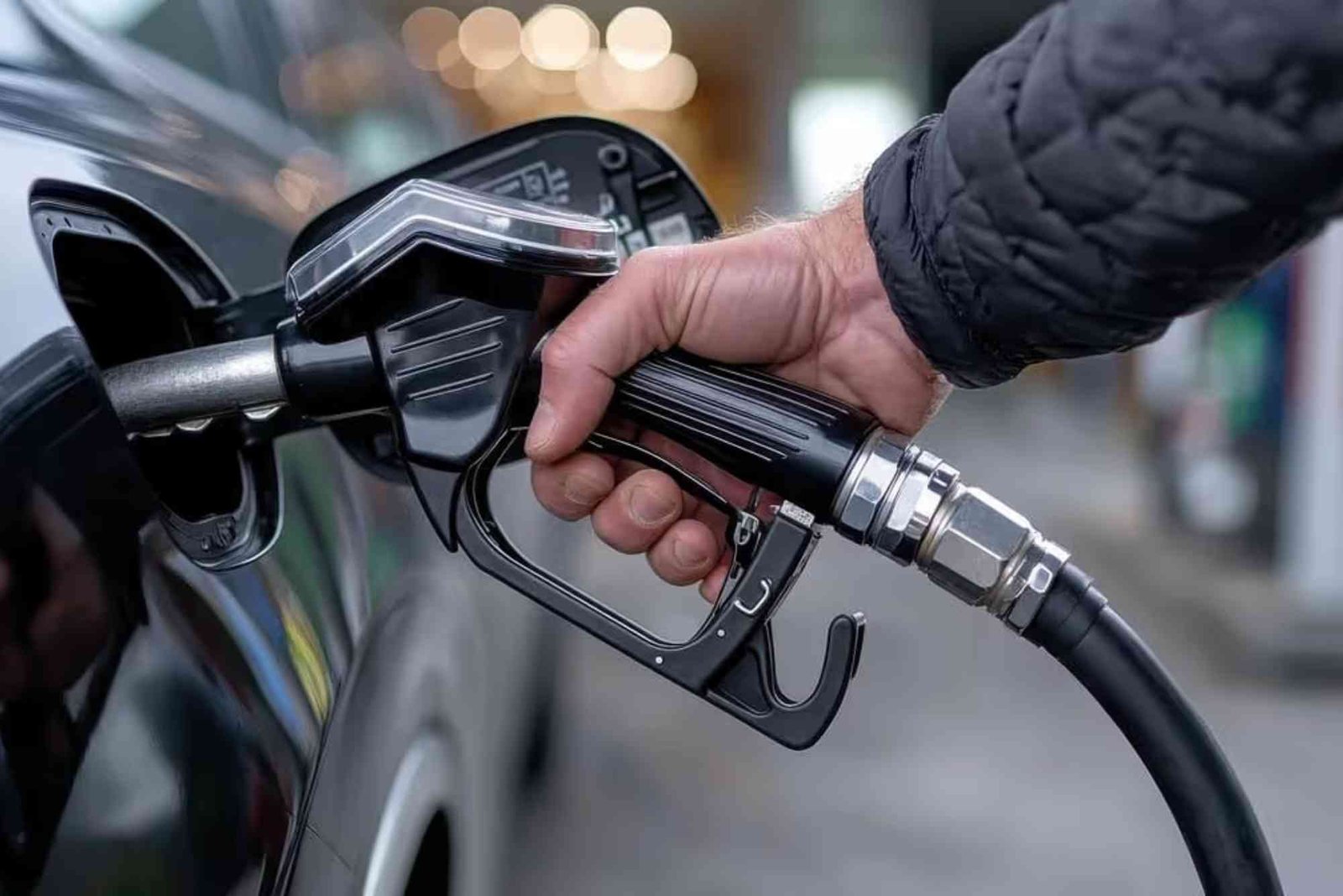
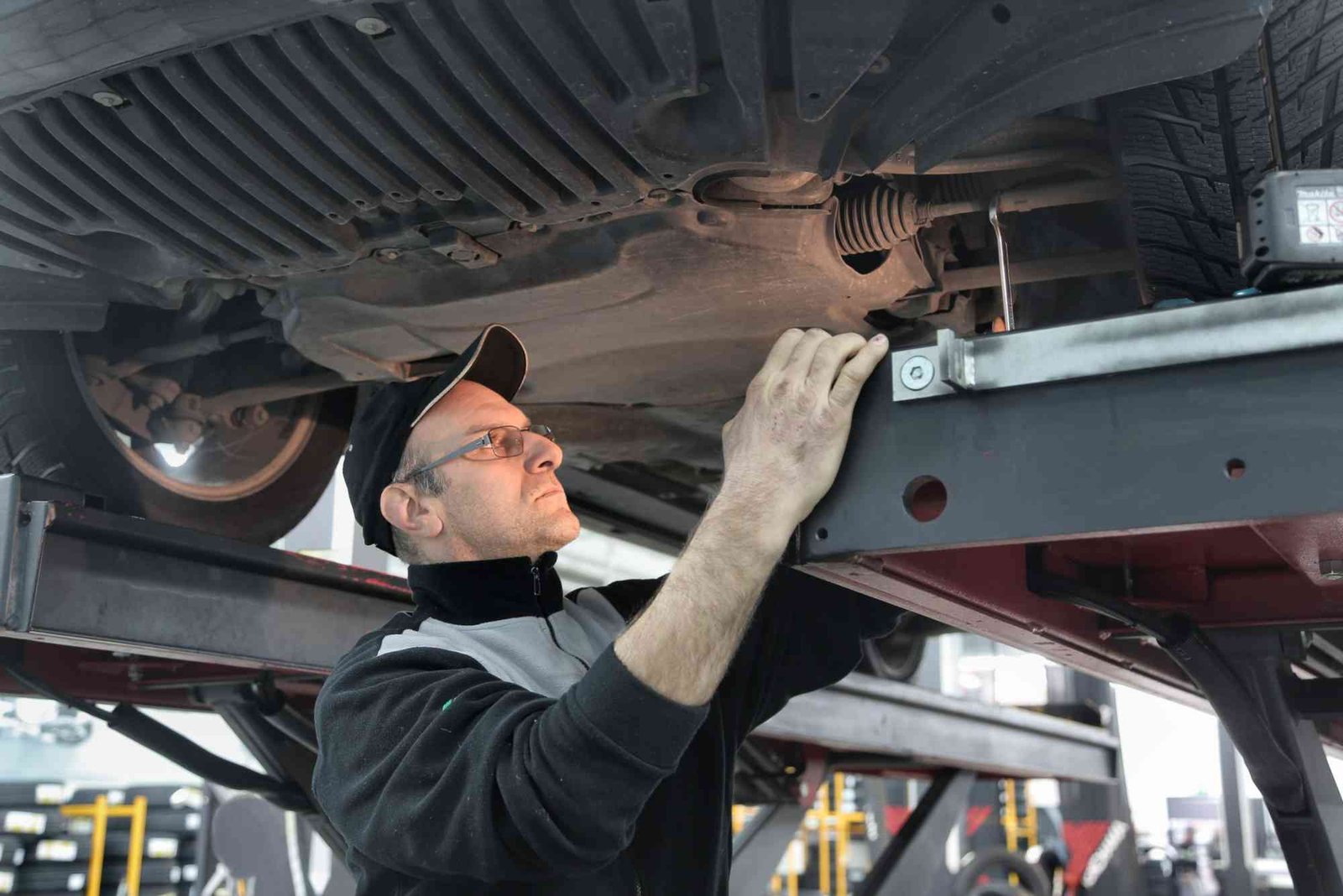
Buying your first car is an exciting milestone. However, owning a vehicle also means taking responsibility for its care. Following the right Maintenance Tips for New Car Owners can help you avoid expensive repairs, improve fuel efficiency, and keep your car running smoothly for years. Many first-time owners believe modern vehicles require very little attention, but routine maintenance remains essential regardless of the brand or model.
Why Regular Car Maintenance Matters
Regular maintenance helps prevent minor problems from becoming major repairs. Every vehicle contains hundreds of moving parts that experience wear during daily driving. Ignoring small maintenance tasks often leads to costly mechanical failures.
Routine servicing also improves fuel economy because a well-maintained engine operates more efficiently. In addition, regular inspections increase safety by ensuring brakes, tires, steering, and lights remain in proper working condition. Perhaps the biggest advantage is preserving your vehicle’s resale value. Buyers prefer cars with complete maintenance records because they indicate responsible ownership.
Read Your Owner’s Manual First
One of the most overlooked Maintenance Tips for New Car Owners is reading the owner’s manual carefully. Every manufacturer designs vehicles differently, and maintenance intervals vary from one model to another.
The owner’s manual explains recommended oil types, tire pressure, service schedules, warning lights, and maintenance intervals. It also provides valuable information about your warranty requirements. Spending one hour reading the manual can save hundreds of dollars in unnecessary repairs later.
Change Engine Oil on Schedule
Engine oil lubricates internal components while reducing friction and heat. Over time, oil becomes contaminated with dirt, fuel residue, and metal particles. Driving with dirty oil increases engine wear and reduces performance. Always follow the recommended oil change interval provided by your manufacturer.

Many modern vehicles include oil life monitoring systems that calculate when service is required. Even with advanced technology, checking the oil level every few weeks remains a smart habit. Fresh engine oil improves fuel efficiency, protects expensive engine parts, and extends engine life significantly.
Monitor Tire Pressure Regularly
Tires are your vehicle’s only contact with the road, making proper maintenance extremely important.
Check tire pressure at least once every month using a reliable pressure gauge. Low tire pressure reduces fuel economy, increases tire wear, and negatively affects handling. Overinflated tires can also create uneven wear while reducing traction on wet roads. Always inflate tires according to the pressure listed on the driver’s door sticker rather than the maximum pressure printed on the tire itself. Proper inflation improves comfort, braking performance, and overall safety.
Rotate Tires for Even Wear
Another important part of Maintenance Tips for New Car Owners involves rotating tires regularly. Front and rear tires wear differently because of steering, braking, and weight distribution. Rotating them every 5,000 to 8,000 miles helps distribute wear evenly.
Even tire wear increases tire lifespan while improving handling and ride quality Ignoring tire rotation often results in premature replacement, costing much more than routine maintenance.
Inspect Brake Performance Frequently
Your braking system is one of the most important safety features on any vehicle.
Pay attention to warning signs such as squeaking, grinding, vibration, or increased stopping distance. These symptoms often indicate worn brake pads or damaged rotors. Never ignore brake issues because small problems can quickly become dangerous. Having your brakes inspected during routine servicing provides peace of mind while helping prevent costly repairs.
Check All Vehicle Fluids
Modern vehicles rely on several essential fluids to operate properly.
Engine coolant regulates temperature, brake fluid supports braking performance, transmission fluid ensures smooth gear changes, and windshield washer fluid improves visibility. Inspect fluid levels regularly and refill them when necessary using manufacturer-approved products. If fluid levels continue dropping, inspect the vehicle for leaks immediately rather than repeatedly topping them off.
Keep the Battery Healthy
Most car batteries last between three and five years depending on climate and driving habits. Inspect battery terminals for corrosion and ensure connections remain tight.
Short trips can prevent the battery from charging fully, especially during winter. If your vehicle struggles to start or dashboard lights appear dim, have the battery tested before it fails completely. Replacing a weak battery early helps prevent unexpected breakdowns.
Replace Air Filters When Needed
Engine air filters prevent dirt and debris from entering the engine. A clogged filter restricts airflow, reducing performance and fuel efficiency.
Cabin air filters are equally important because they improve interior air quality by removing dust, pollen, and pollutants. Replacing both filters according to the recommended schedule helps maintain vehicle performance while creating a healthier driving environment.
Pay Attention to Dashboard Warning Lights
Modern vehicles continuously monitor important systems using electronic sensors.
Dashboard warning lights provide early warnings about mechanical or electrical problems. Never ignore illuminated warning lights, especially those related to the engine, brakes, oil pressure, or battery. Addressing problems early often reduces repair costs significantly. Understanding what each warning light means is another valuable lesson for new drivers.
Wash and Protect Your Car Regularly
Cleaning your vehicle does more than improve appearance. Road salt, bird droppings, tree sap, and dirt can damage paint if left untreated.
Wash your car regularly and apply quality wax several times each year to protect the paint. Cleaning the undercarriage is especially important in areas where roads are salted during winter. A clean exterior helps prevent rust while preserving resale value.
Keep the Interior Clean
Interior maintenance contributes to long-term vehicle value.
Vacuum carpets regularly and clean seats using appropriate cleaning products.
Protect dashboard surfaces from prolonged sun exposure with windshield shades when parked outdoors. Small cleaning habits prevent stains, unpleasant odors, and premature interior wear. Maintaining a clean cabin also creates a more enjoyable driving experience.
Drive Smoothly to Reduce Wear
Aggressive driving increases wear on almost every vehicle component. Rapid acceleration, hard braking, and speeding place additional stress on the engine, transmission, brakes, and suspension.
Smooth driving extends component life while improving fuel efficiency. Gentle acceleration and maintaining safe following distances reduce unnecessary strain on your vehicle. This simple habit saves money while making driving safer.
Follow the Manufacturer’s Service Schedule
Preventive maintenance is always less expensive than emergency repairs.
Follow scheduled inspections for belts, spark plugs, coolant replacement, transmission servicing, and timing components according to your owner’s manual. Keeping detailed maintenance records demonstrates responsible ownership and supports warranty claims if necessary. Professional inspections also identify hidden issues before they become serious.
Seasonal Maintenance Tips
Weather affects vehicle performance throughout the year.
During summer, monitor coolant levels and inspect your air conditioning system.
Before winter arrives, check battery health, tire tread depth, heater performance, and windshield wipers. Spring is an excellent time to wash away winter road salt, while autumn is ideal for preparing the vehicle for colder temperatures. Seasonal inspections reduce unexpected problems regardless of changing weather conditions.
Build Good Maintenance Habits Early
One of the best Maintenance Tips for New Car Owners is developing consistent habits from the beginning. Set reminders for oil changes, tire pressure checks, and scheduled servicing. Maintain a notebook or digital record of every repair and maintenance visit.
Simple routines reduce stress because you always know your vehicle’s maintenance status. Over time, these habits become second nature and significantly extend your car’s lifespan.
Conclusion
Owning a vehicle is both exciting and rewarding, but it also requires regular attention. Following these Maintenance Tips for New Car Owners helps keep your car safe, reliable, and efficient throughout its life. Small maintenance tasks performed consistently prevent expensive repairs while improving driving comfort and fuel economy.
Planning a road trip becomes easier when you understand the importance of Vehicle Features for Long-Distance Travel. Features like adaptive cruise control, comfortable seating, advanced safety systems, and fuel efficiency help ensure a smoother, safer, and more enjoyable journey, making every mile more comfortable for drivers and passengers alike.
Frequently Asked Questions
How often should new car owners change engine oil?
Most manufacturers recommend changing engine oil every 5,000 to 10,000 miles, depending on the vehicle and oil type. Always follow your owner’s manual.
How often should I check tire pressure?
Check tire pressure at least once every month and before long trips. Proper tire pressure improves safety, handling, and fuel efficiency.
What maintenance should a new car receive first?
The first maintenance usually includes an oil change, tire rotation, fluid inspection, brake check, and a general vehicle inspection according to the manufacturer’s schedule.
Can skipping maintenance void my vehicle warranty?
Yes. Ignoring required maintenance may affect warranty coverage if manufacturers determine neglect caused the problem.
How can I make my new car last longer?
Follow scheduled maintenance, drive smoothly, keep fluids at proper levels, maintain correct tire pressure, wash your vehicle regularly, and address small problems before they become major repairs.
Related Reading: Vehicle Maintenance Tips for Busy Owners