
Planning a long road trip requires more than choosing a destination. The vehicle you drive plays a major role in determining how comfortable, safe, and enjoyable the journey will be. Whether you travel frequently for business, family vacations, or weekend adventures, understanding the most important vehicle features for long-distance travel can help you make smarter decisions.
Modern vehicles are designed with advanced technology and comfort-focused features that make long journeys less stressful. From supportive seats and driver-assistance systems to fuel-efficient engines and spacious interiors, the right combination of features can transform an ordinary drive into a pleasant experience.
Comfortable Seating for Long Hours
One of the most important vehicle features for long-distance travel is comfortable seating. Drivers often spend several hours behind the wheel, and passengers remain seated for extended periods. Poorly designed seats can lead to fatigue, back pain, and discomfort.
Modern vehicles offer ergonomic seats with adjustable lumbar support, power controls, and memory settings. These features help drivers maintain a healthy posture while reducing physical strain. Heated and ventilated seats provide additional comfort in both hot and cold weather conditions. When traveling long distances, supportive seating can significantly improve the overall driving experience.
Advanced Cruise Control Systems
Adaptive cruise control is among the most appreciated vehicle features for long-distance travel. Unlike traditional cruise control, adaptive systems automatically adjust the vehicle’s speed based on surrounding traffic conditions.
This technology reduces the need for constant acceleration and braking. As a result, drivers experience less fatigue during extended highway journeys. Adaptive cruise control also helps maintain safe following distances, making long-distance travel more relaxing and efficient.

Fuel Efficiency and Extended Driving Range
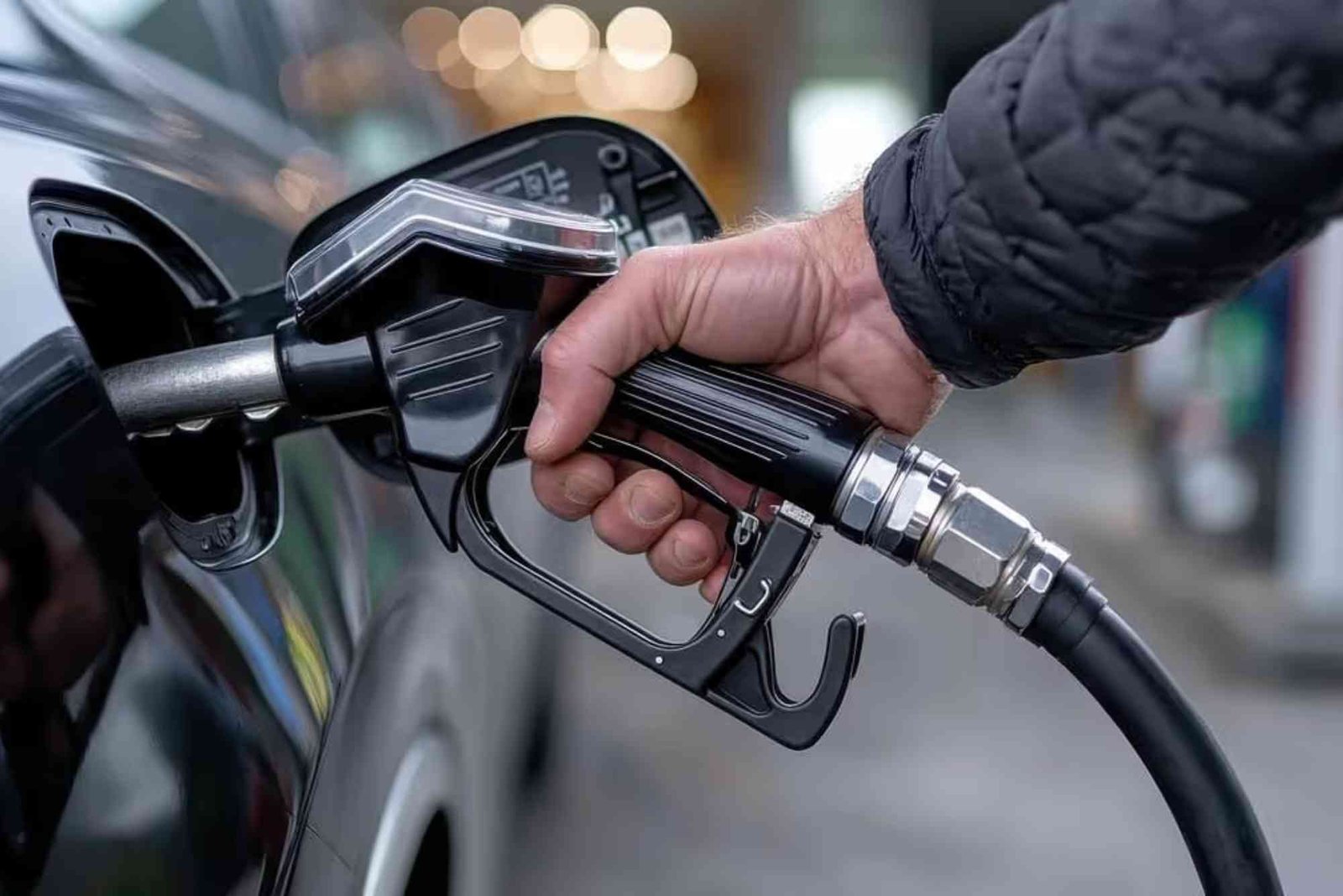
Fuel efficiency remains a key consideration for anyone planning long road trips. Vehicles that consume less fuel allow travelers to cover greater distances while reducing operating costs.
Many modern vehicles include fuel-saving technologies such as turbocharged engines, hybrid powertrains, and eco-driving modes. These innovations improve efficiency without compromising performance. A longer driving range also means fewer fuel stops, which can save time and make travel more convenient. When evaluating vehicle features for long-distance travel, fuel economy should always be near the top of the list.
Reliable Navigation Systems
Getting lost can quickly turn an enjoyable road trip into a frustrating experience. That is why advanced navigation systems are essential vehicle features for long-distance travel.
Modern GPS systems provide real-time traffic updates, route optimization, and alternative route suggestions. Voice-guided navigation helps drivers stay focused on the road while receiving clear directions. Some systems even provide information about nearby fuel stations, restaurants, and hotels. Reliable navigation technology ensures smoother travel and helps drivers reach destinations more efficiently.
Safety Features That Enhance Confidence
Safety is one of the most important considerations for any road trip. Fortunately, modern vehicles offer a wide range of technologies designed to reduce risks and improve driver awareness.
Lane departure warnings help prevent unintended lane drifting. Blind spot monitoring alerts drivers when vehicles are approaching from difficult-to-see angles. Automatic emergency braking can detect potential collisions and apply the brakes if necessary. Forward collision warning systems provide additional protection by alerting drivers to potential hazards ahead. Together, these technologies make long-distance travel safer and less stressful.
Spacious Cabin and Passenger Comfort
Passenger comfort becomes increasingly important during long journeys. A spacious cabin provides more room for movement and relaxation, helping reduce discomfort during extended travel.
Vehicles with generous legroom, headroom, and shoulder space create a more pleasant experience for everyone on board. Families especially benefit from larger interiors because children and adults have more room to sit comfortably. Many vehicles also include reclining rear seats and flexible seating arrangements that further improve comfort on long trips.
Large Cargo Space for Travel Essentials
Road trips often involve carrying luggage, snacks, camping gear, sports equipment, and other travel necessities. For this reason, cargo capacity is one of the most practical vehicle features for long-distance travel. A larger cargo area allows travelers to pack efficiently without sacrificing passenger comfort. Many vehicles now offer fold-flat rear seats, hidden storage compartments, and adjustable cargo floors for added convenience.
Having enough storage space helps keep the cabin organized and clutter-free throughout the journey.
Infotainment and Connectivity Features
Entertainment plays an important role during long drives. Modern infotainment systems keep both drivers and passengers engaged throughout the trip.
Large touchscreen displays provide access to navigation, music, podcasts, and communication tools. Smartphone integration through Apple CarPlay and Android Auto allows seamless access to mobile apps. USB charging ports, wireless charging pads, and Wi-Fi hotspots ensure that devices remain connected and powered during the journey. These technologies are now considered essential vehicle features for long-distance travel.
Climate Control for All Seasons
Maintaining a comfortable cabin temperature is critical during extended travel. Advanced climate control systems help ensure a pleasant environment regardless of outside weather conditions.
Dual-zone and tri-zone climate control systems allow occupants to set individual temperature preferences. Rear air vents improve airflow for passengers sitting in the back. A comfortable cabin temperature reduces fatigue and contributes to a more enjoyable driving experience.
Noise Reduction and Cabin Quietness
Excessive road noise can become tiring over long distances. Therefore, sound insulation is an important yet often overlooked feature.
Many manufacturers use acoustic glass, advanced insulation materials, and improved engineering techniques to minimize cabin noise. A quieter interior makes conversations easier and allows passengers to enjoy entertainment without increasing volume levels. Reduced noise also helps drivers remain focused and relaxed during long journeys.
Smooth Suspension and Ride Quality
Ride quality has a significant impact on comfort during long-distance travel. Vehicles with advanced suspension systems absorb road imperfections more effectively, resulting in a smoother driving experience.
A high-quality suspension reduces vibrations and minimizes discomfort on rough roads. Some premium vehicles even feature adaptive suspension systems that automatically adjust to changing road conditions. A smoother ride contributes to lower fatigue levels and greater overall satisfaction during extended trips.
Powerful Lighting for Night Driving
Many long-distance journeys involve driving after sunset. High-quality lighting systems improve visibility and enhance safety during nighttime travel.
LED headlights provide brighter and more efficient illumination than traditional halogen lights. Adaptive headlights adjust beam direction based on steering input, helping drivers see around curves more effectively. Better visibility allows drivers to identify hazards sooner and react more confidently.
Reliability and Long-Term Dependability
Reliability remains one of the most critical vehicle features for long-distance travel. A dependable vehicle reduces the likelihood of breakdowns and unexpected repair expenses.
Choosing a vehicle with a strong reputation for durability can provide peace of mind during long road trips. Regular maintenance further enhances reliability and ensures consistent performance over thousands of miles.
Conclusion
Selecting the right vehicle features for long-distance travel can dramatically improve every aspect of your journey. Comfortable seating, advanced safety technology, fuel efficiency, spacious interiors, and modern connectivity features all contribute to a better travel experience. By focusing on these essential features, drivers can reduce fatigue, increase safety, and enjoy greater convenience on the road.
A well-planned vehicle maintenance schedule helps keep your car in top condition, improves safety, and reduces unexpected repair costs. By tracking oil changes, tire rotations, brake checks, and regular inspections, you can extend your vehicle’s lifespan and ensure better performance. Learn practical steps in this guide on How to Set a Vehicle Maintenance Schedule for smooth and worry-free driving every day.
Frequently Asked Questions
What are the most important vehicle features for long-distance travel?
Comfortable seating, advanced safety systems, fuel efficiency, adaptive cruise control, and spacious interiors are among the most important features.
Is adaptive cruise control useful for road trips?
Yes. Adaptive cruise control reduces driver fatigue and improves comfort during long highway journeys.
Why is fuel efficiency important for long-distance travel?
Fuel-efficient vehicles lower travel costs and allow drivers to cover greater distances between refueling stops.
Do larger vehicles provide better comfort for long trips?
In many cases, yes. Larger vehicles often offer more passenger space and cargo capacity, making them ideal for extended journeys.
What safety features should a road-trip vehicle have?
Lane keeping assistance, blind spot monitoring, automatic emergency braking, and forward collision warning systems are highly recommended.
Related Reading: Vehicle solutions for daily travel
Related Reading: Travel trips suitable for seeking a new change of scenery
Related Reading: How to Prevent Vehicle Damage