Introduction
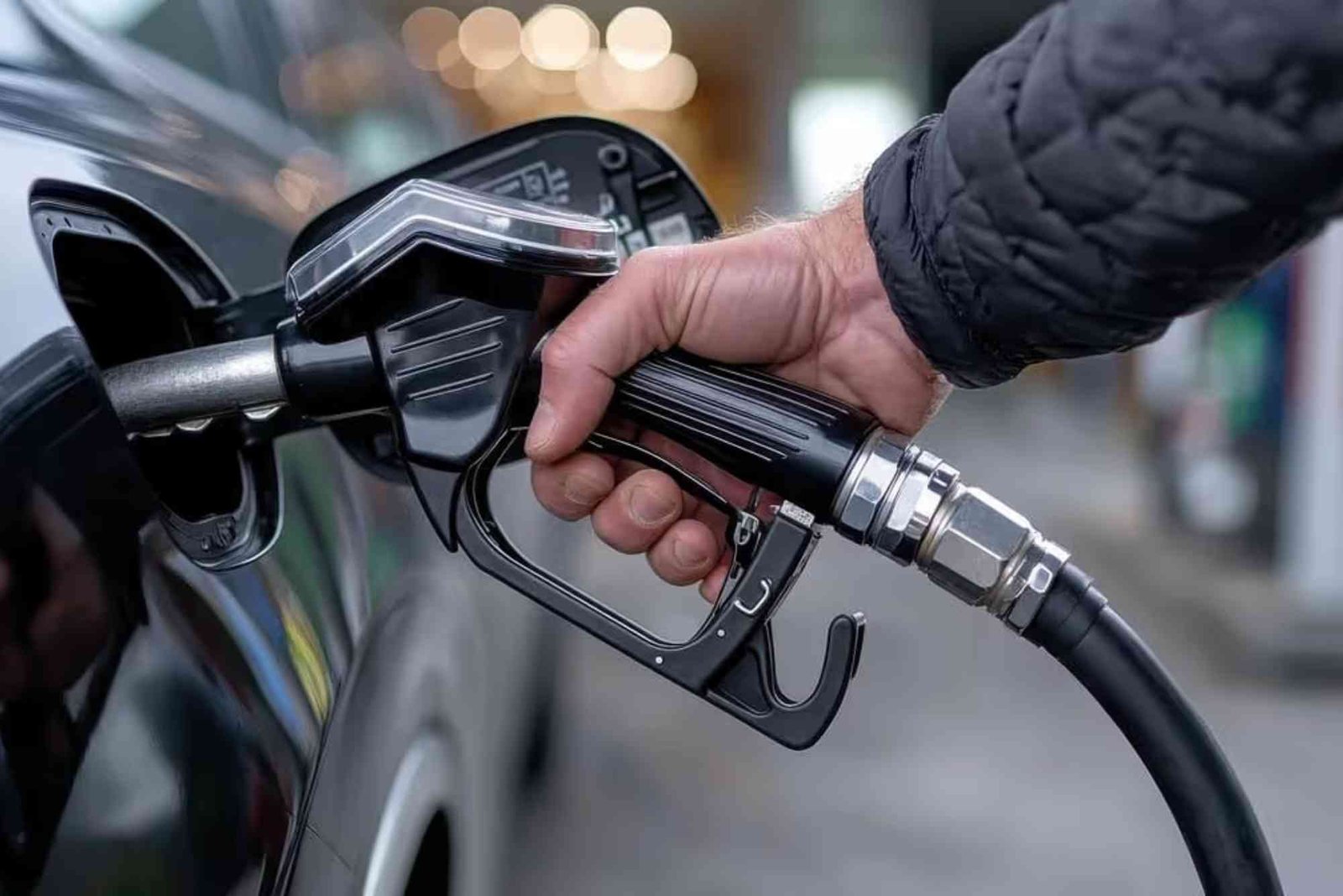
Economical and efficient driving habits are essential for modern drivers who want to save money and reduce fuel consumption. Rising fuel prices and environmental concerns make driving efficiency more important than ever. When you adopt economical and efficient driving habits, you not only lower your expenses but also extend the life of your vehicle.
Many drivers believe fuel efficiency depends only on the car. However, driving behavior plays a major role. Simple changes in how you accelerate, brake, and maintain speed can significantly improve fuel economy.
Understanding Economical and Efficient Driving Habits
Economical and efficient driving habits refer to techniques that help reduce fuel consumption while maintaining safe and smooth driving. These habits focus on minimizing engine strain, reducing unnecessary acceleration, and maintaining optimal speed.
When drivers practice economical and efficient driving habits, they experience smoother rides and fewer maintenance issues. It also contributes to lower emissions, making it environmentally friendly. Over time, these habits become second nature and lead to long-term savings.
The Importance of Economical and Efficient Driving Habits
Developing economical and efficient driving habits is important for several reasons. First, it directly reduces fuel expenses, which is a major cost for most drivers. Second, it reduces wear and tear on the vehicle, helping you avoid frequent repairs.
Another important factor is environmental protection. Efficient driving reduces carbon emissions, which helps improve air quality. In addition, economical and efficient driving habits also improve road safety by encouraging calm and controlled driving behavior.

Smooth Acceleration and Controlled Speed
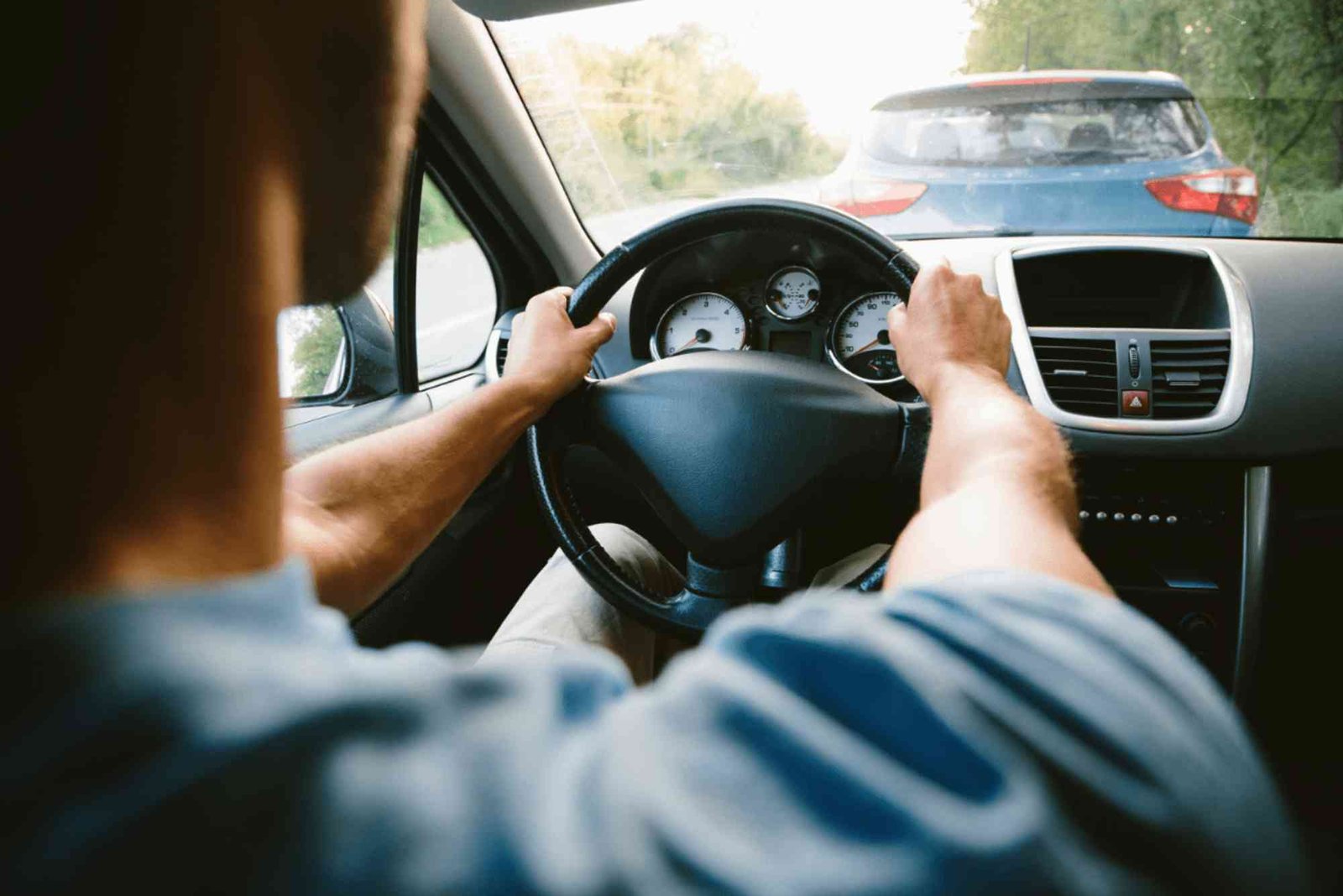
One of the most important economical and efficient driving habits is smooth acceleration. Rapid acceleration consumes more fuel and puts unnecessary pressure on the engine. Instead, gradual acceleration allows the engine to operate efficiently.
Maintaining a steady speed is equally important. Frequent speeding up and slowing down increases fuel usage. When you drive at a consistent speed, especially on highways, your vehicle performs more efficiently. This simple adjustment is one of the most effective economical and efficient driving habits you can adopt.
Smart Braking Techniques
Braking plays a significant role in fuel consumption. Sudden braking wastes energy that was used to build speed. One of the key economical and efficient driving habits is to anticipate traffic conditions and brake gently.
By maintaining a safe distance from other vehicles, you can reduce the need for frequent braking. This helps maintain momentum and improves fuel efficiency. Over time, smart braking becomes a natural part of economical and efficient driving habits and enhances overall driving comfort.
Proper Gear Usage and Engine Efficiency
Using the correct gear is essential for fuel efficiency. Driving in low gear at high speed or high gear at low speed can increase fuel consumption. One of the core economical and efficient driving habits is shifting gears at the right time.
For manual transmission vehicles, early upshifting helps reduce engine load. For automatic vehicles, smooth driving ensures the transmission system operates efficiently. Proper gear usage ensures that the engine runs in its optimal range, which is a key principle of economical and efficient driving habits.
Reducing Idling Time
Idling wastes fuel without moving the vehicle. Many drivers leave the engine running during long stops, which increases fuel consumption unnecessarily. Turning off the engine during extended stops is one of the simplest economical and efficient driving habits.
Modern vehicles are designed to restart efficiently, so frequent restarting does not cause damage. Reducing idling time not only saves fuel but also reduces engine wear. This habit is especially useful in traffic-heavy areas where stops are frequent.
Maintaining Optimal Tire Pressure
Tire pressure directly affects fuel efficiency. Under-inflated tires increase rolling resistance, which forces the engine to work harder. Keeping tires properly inflated is one of the most overlooked economical and efficient driving habits.
Regularly checking tire pressure ensures better control, improved safety, and lower fuel consumption. Properly inflated tires also last longer, reducing replacement costs. This simple maintenance step plays a big role in economical and efficient driving habits.
Vehicle Maintenance and Engine Health
A well-maintained vehicle performs more efficiently. Regular servicing ensures that the engine, filters, and fluids are in good condition. Poor maintenance can reduce fuel efficiency and increase emissions.
Changing engine oil, replacing air filters, and checking spark plugs are important steps. These practices support economical and efficient driving habits by ensuring the vehicle operates smoothly. A healthy engine consumes less fuel and delivers better performance.
Avoiding Overloading the Vehicle
Carrying unnecessary weight increases fuel consumption. The heavier the vehicle, the more fuel it needs to move. One of the practical economical and efficient driving habits is to remove extra items from the car.
Roof racks and heavy cargo also increase air resistance. This makes the engine work harder, especially at high speeds. Keeping your vehicle light improves acceleration and fuel economy, reinforcing economical and efficient driving habits in daily driving.
Planning Routes Efficiently
Route planning is often ignored but highly important. Choosing the shortest or least congested route helps reduce fuel usage. One of the strategic economical and efficient driving habits is planning trips in advance.
Avoiding traffic jams and unnecessary detours saves both time and fuel. Navigation tools can help identify efficient routes. Combining multiple errands into one trip is another smart approach that supports economical and efficient driving habits.
Using Air Conditioning Wisely
Air conditioning can increase fuel consumption if used excessively. One of the balanced economical and efficient driving habits is using AC wisely depending on weather conditions.
At lower speeds, using natural ventilation can be more efficient. However, at higher speeds, open windows increase drag, so AC becomes more efficient. Understanding when to use AC helps maintain economical and efficient driving habits without sacrificing comfort.
Driving at Moderate Speeds
High-speed driving significantly increases fuel consumption. Every vehicle has an optimal speed range where it performs best. Staying within this range is one of the most effective economical and efficient driving habits.
Driving at moderate speeds not only saves fuel but also improves safety. It reduces the risk of accidents and gives better control over the vehicle. This makes it one of the most important economical and efficient driving habits for all drivers.
Anticipating Traffic Flow
Anticipation is a key driving skill. Observing traffic ahead allows you to adjust speed smoothly instead of reacting suddenly. This reduces unnecessary braking and acceleration.
Anticipating signals, pedestrians, and other vehicles helps maintain steady driving. This technique strengthens economical and efficient driving habits and improves overall road awareness.
Combining Trips and Reducing Short Journeys
Short trips with cold engines consume more fuel. Combining errands into a single journey helps the engine reach optimal temperature. This is one of the practical economical and efficient driving habits.
Planning your daily activities efficiently reduces total mileage. It also minimizes engine wear and improves fuel economy. Over time, this habit contributes significantly to economical and efficient driving habits.
Conclusion with Call to Action
Explore Indon.id Home Page for the latest updates, insights, and valuable resources tailored to your needs. This platform provides useful information, guides, and services designed to enhance your experience online. Visit the Indon.id Home Page to stay connected and discover more engaging content for your daily browsing and research needs. Stay updated regularly. Thanks! SEO!!
From smooth acceleration to proper maintenance, every small action contributes to better efficiency. When practiced regularly, economical and efficient driving habits become second nature and deliver long-term financial and environmental benefits. If you want to save money, reduce stress, and drive more responsibly, start applying these strategies today. Take control of your driving behavior and transform your daily commute into a more efficient experience.
FAQs
What are economical and efficient driving habits?
Economical and efficient driving habits are techniques that help reduce fuel consumption and improve vehicle performance. They include smooth acceleration, proper braking, and regular maintenance.
How do economical and efficient driving habits save fuel?
These habits reduce engine strain and unnecessary fuel usage. By maintaining steady speed and avoiding sudden acceleration, fuel efficiency improves significantly.
Do economical and efficient driving habits really make a difference?
Yes, even small changes in driving behavior can lead to noticeable fuel savings. Over time, these habits also reduce maintenance costs.
Is driving slowly always better for fuel efficiency?
Not always. Driving at a consistent moderate speed is more efficient than driving too slowly or too fast. Balance is important in economical and efficient driving habits.
Can tire pressure affect fuel consumption?
Yes, low tire pressure increases resistance and fuel usage. Proper tire inflation is an important part of economical and efficient driving habits.