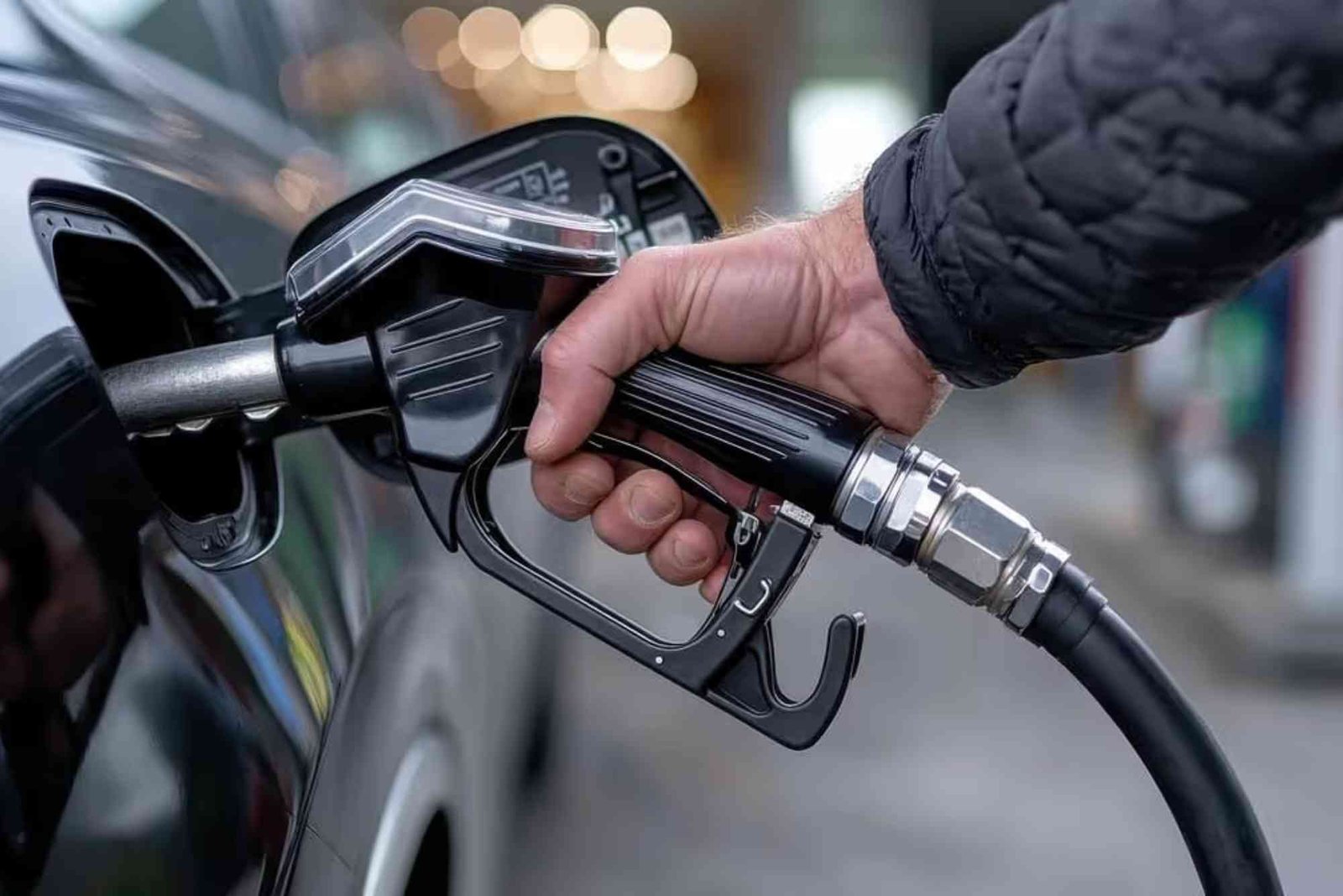

Owning a vehicle brings convenience, but it also comes with challenges. Understanding common vehicle problems and how to solve them can save time, money, and stress. Whether you drive daily or occasionally, knowing the signs of trouble helps prevent serious damage. This guide covers frequent issues, causes, and practical solutions for keeping your vehicle in top condition.
Engine Troubles and Performance Issues
The engine is the heart of your vehicle, and problems here can drastically affect performance. Common signs include unusual noises, reduced power, or difficulty starting.
Engine Overheating
Overheating often occurs due to low coolant, a faulty radiator, or a broken thermostat. If your temperature gauge rises rapidly, pull over immediately. To solve this, check the coolant levels and refill if necessary. Inspect hoses and the radiator for leaks. Regular maintenance prevents long-term damage to engine components.
Engine Misfires
Misfires cause jerking, poor acceleration, and lower fuel efficiency. They are often due to faulty spark plugs, ignition coils, or fuel injector problems. Replace worn spark plugs and clean or replace the fuel injectors. A professional mechanic can run diagnostics to pinpoint the exact cause.
Reduced Fuel Efficiency
If your car’s mileage suddenly drops, it may be due to clogged air filters, bad oxygen sensors, or low tire pressure. Replace air filters every 12,000–15,000 miles, check sensors periodically, and maintain recommended tire pressure for optimal efficiency.
Transmission and Gear Issues
Transmission problems can affect the overall driving experience. Symptoms include difficulty shifting gears, slipping, or unusual noises.

Slipping Gears
Transmission slipping often results from low transmission fluid or worn-out clutch components. Check fluid levels regularly and ensure it’s clean. If slipping continues, a mechanic may need to replace internal transmission parts.
Delayed Shifting
Delayed gear changes can be caused by a faulty transmission solenoid or degraded fluid. Flushing the transmission fluid and replacing worn components can restore smooth operation. Avoid harsh driving during repairs to prevent further damage.
Brake System Problems
Brakes are critical for safety. Common issues include squeaking, vibrations, and reduced stopping power.
Squeaky or Noisy Brakes
Squeaking often indicates worn brake pads or accumulation of debris. Inspect brake pads and rotors regularly, and replace pads when they are thin. Clean any dirt or rust buildup to maintain braking efficiency.
Brake Pedal Vibrations
Vibrations usually result from warped brake rotors. Rotors may need resurfacing or replacement. Regular maintenance, including checking pad thickness and rotor condition, prevents uneven wear.
Reduced Braking Power
A soft brake pedal or increased stopping distance may indicate air in the brake lines or fluid leaks. Bleeding the brakes and topping off fluid can restore performance. Regular brake inspections are crucial for safety.
Electrical System Failures
Modern vehicles rely heavily on electrical systems, and malfunctions can affect multiple components.
Dead Battery
A dead battery is a common issue, often caused by leaving lights on, old age, or a faulty alternator. Check voltage levels regularly and replace the battery every 3–5 years. Ensure connections are clean and secure.
Faulty Alternator
If your battery keeps dying despite a new battery, the alternator may be failing. Symptoms include dim lights or electrical malfunctions. Professional testing and replacement restore proper charging.
Malfunctioning Sensors
Vehicles rely on sensors for fuel, oxygen, and engine management. Faulty sensors trigger warning lights or performance issues. Use a diagnostic scanner to identify problems and replace faulty sensors promptly.
Tire and Suspension Concerns
Proper tires and suspension ensure comfort, safety, and handling.
Uneven Tire Wear
Uneven wear indicates misalignment, incorrect tire pressure, or suspension issues. Rotate tires every 6,000–8,000 miles and maintain proper inflation. Wheel alignment prevents premature wear and improves safety.
Vibrations While Driving
Vibrations may come from unbalanced tires, damaged wheels, or worn suspension parts. Balance tires, inspect for damage, and replace worn shocks or struts as needed. Smooth driving and regular maintenance reduce wear and tear.
Poor Handling
Difficulty controlling the vehicle often results from worn suspension or steering components. Inspect tie rods, ball joints, and bushings. Timely replacement restores stability and responsiveness.
Cooling and Exhaust System Problems
Efficient cooling and exhaust systems prevent engine damage and environmental hazards.
Radiator Leaks
Leaking radiators reduce coolant levels and cause overheating. Inspect for cracks or loose hoses. Replacing or repairing the radiator ensures proper engine temperature management.
Exhaust Smoke
Blue smoke indicates burning oil, while black smoke signals excess fuel. White smoke may suggest coolant leaks. Addressing these issues promptly prevents engine damage and reduces harmful emissions.
Strange Noises
Hissing, rattling, or knocking from the exhaust system often indicate leaks or broken components. Inspect mufflers and pipes regularly and replace damaged parts. Proper maintenance improves efficiency and reduces noise pollution.
Regular Maintenance Tips
Preventing common vehicle problems is always better than fixing them.
Routine Oil Changes
Change oil every 3,000–7,500 miles depending on your vehicle. Fresh oil lubricates the engine, reduces friction, and prolongs component life.
Scheduled Inspections
Regular checkups help detect issues early. Include brakes, tires, fluids, and belts in inspections. Early detection reduces repair costs and enhances safety.
Clean Filters and Fluids
Air, fuel, and cabin filters affect performance. Replace them regularly and top off fluids, including coolant, brake fluid, and transmission fluid, to ensure smooth operation.
Tire Care
Maintain correct tire pressure and inspect tread depth. Rotate tires and align wheels periodically to avoid uneven wear and improve handling.
indon.id adalah platform digital informatif yang menyajikan berbagai konten terkini seputar teknologi, gaya hidup, bisnis, dan informasi populer lainnya. Dengan tampilan sederhana dan mudah diakses, indon.id menjadi sumber bacaan yang relevan bagi pengguna yang ingin mendapatkan wawasan terpercaya, ringkas, dan up-to-date dalam satu tempat.
FAQ
What are the most common vehicle problems?
Common problems include engine overheating, brake issues, battery failures, tire wear, and transmission malfunctions.
How can I prevent vehicle breakdowns?
Regular maintenance, timely oil changes, fluid checks, and prompt repairs prevent most vehicle problems.
Why is my car making strange noises?
Unusual sounds can come from the engine, brakes, suspension, or exhaust. Diagnosing early prevents bigger issues.
How often should I check my car’s fluids?
Check oil, coolant, brake, and transmission fluids at least once a month or as recommended in the owner’s manual.
Can I fix common vehicle problems myself?
Some minor issues like topping off fluids or replacing air filters are DIY-friendly, but complex repairs should be handled by professionals.
Understanding common vehicle problems and how to solve them empowers you to maintain your car safely and efficiently. Routine maintenance, early detection, and timely repairs save money and prevent breakdowns. Stay proactive with inspections, and consult a trusted mechanic for complex issues.
If you want to extend your vehicle’s life and avoid costly repairs, start by scheduling a full vehicle checkup today. Keep your car running smoothly and enjoy worry-free driving every day.