
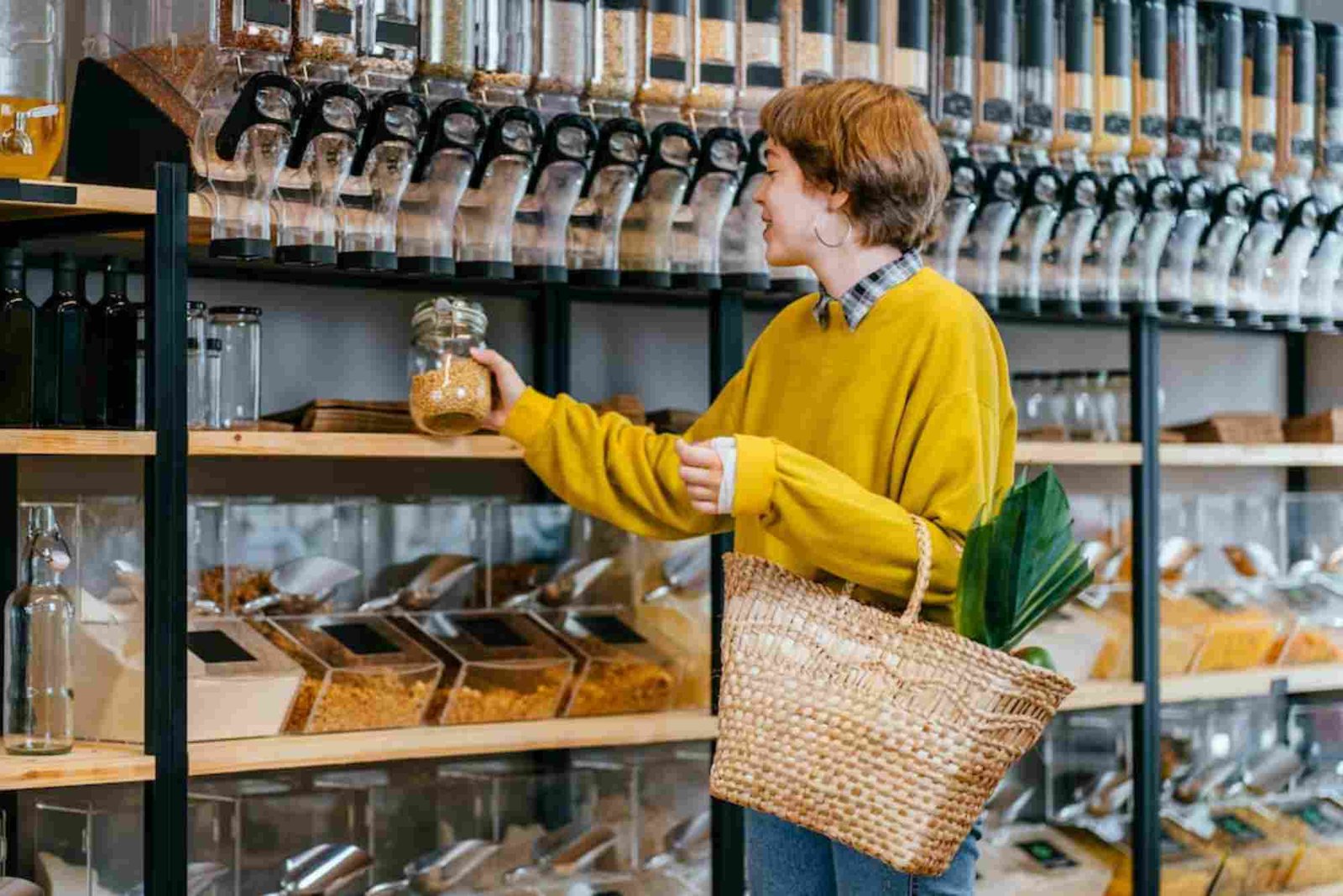
The shift towards sustainability is transforming the way we shop. Consumers increasingly prioritize environmentally friendly options, influencing brands to innovate responsibly. Understanding the trends in eco-friendly consumer products helps individuals make informed choices and encourages businesses to align with sustainability goals.
Rise of Biodegradable and Compostable Products
Consumers are moving away from single-use plastics and conventional packaging. Biodegradable and compostable alternatives are now widely available. These products reduce landfill waste and minimize pollution. Companies are introducing biodegradable utensils, packaging, and even textiles that break down naturally, helping the environment while meeting consumer demands.
Sustainable Packaging Solutions
Eco-conscious brands are redesigning packaging to reduce environmental impact. Options such as recycled paper, plant-based plastics, and refillable containers are becoming standard. Retailers now emphasize minimalistic packaging that uses fewer resources without compromising functionality.
Compostable Everyday Items
Products like cutlery, plates, and even toothbrushes now come in compostable versions. These items are made from materials such as cornstarch, bamboo, and sugarcane fiber, allowing consumers to dispose of them safely without harming the planet.
Growth of Plant-Based and Vegan Products
Plant-based living is no longer a niche market. Consumers increasingly seek vegan and cruelty-free alternatives, from food to personal care. Brands that integrate sustainable sourcing, ethical practices, and plant-based ingredients are gaining significant attention.
Eco-Friendly Personal Care
Shampoos, soaps, and skincare products now feature natural ingredients, eliminating harsh chemicals. Consumers favor biodegradable packaging, refill options, and products free from animal testing. The focus is on holistic sustainability—benefiting both the user and the environment.

Food and Beverage Innovations
Plant-based foods reduce carbon footprints compared to animal-based products. Beyond meat alternatives, eco-friendly snacks, beverages, and dairy-free options are emerging rapidly. These products appeal to health-conscious consumers and environmentally aware shoppers alike.
Emphasis on Circular Economy Models
A growing trend in eco-friendly consumer products is embracing the circular economy. This approach promotes product longevity, reuse, and recycling rather than disposal. Brands are designing items with modularity, durability, and recyclability in mind.
Refillable and Reusable Products
Reusable containers, water bottles, and shopping bags minimize waste. Consumers are encouraged to refill rather than purchase disposable items repeatedly. This practice reduces resource consumption while fostering sustainable habits.
Product Take-Back Programs
Many brands now offer take-back or recycling programs. For instance, electronics, cosmetics, and clothing can be returned to the manufacturer for safe recycling. These initiatives reinforce sustainability and build consumer trust.
Integration of Smart Technology in Sustainable Products
Technology is driving innovation in eco-friendly consumer products. Smart home devices, energy-efficient appliances, and app-based solutions help consumers monitor and reduce resource consumption.
Energy-Efficient Appliances
Products like smart thermostats, energy-saving lights, and low-power electronics lower energy use. Consumers benefit from reduced utility bills while contributing to a smaller carbon footprint.
Apps Promoting Sustainable Choices
Mobile apps provide guidance on eco-friendly products, track personal consumption, and suggest sustainable alternatives. These tools empower consumers to make greener decisions with ease.
Ethical Sourcing and Transparency
Consumers demand accountability from brands. Transparent sourcing and ethical production are no longer optional. Products made with fair-trade materials, responsibly harvested resources, and clear labeling attract loyal customers.
Traceable Materials
Brands are using blockchain and other technologies to trace raw materials. This ensures that products are ethically sourced and environmentally responsible. Consumers feel confident knowing the origin of the items they purchase.
Fair-Trade Certifications
Certifications such as Fair Trade, Rainforest Alliance, and B Corp provide validation for eco-conscious shoppers. These labels signal a commitment to ethical practices and sustainability, reinforcing consumer trust.
Minimalist and Multi-Functional Products
Consumers increasingly prefer items that serve multiple purposes. Minimalist and multifunctional products reduce material consumption while offering convenience. This trend reflects a mindset of buying less but choosing wisely.
Durable Everyday Essentials
From clothing to kitchen tools, durable items replace disposable alternatives. High-quality, long-lasting products minimize waste and support sustainable lifestyles.
Space-Saving Innovations
Multi-functional items such as convertible furniture or versatile kitchen appliances optimize space and reduce the need for multiple products. These choices are practical and eco-conscious.
Community-Driven and Local Products
Supporting local brands reduces transportation emissions and promotes community-based sustainability. Consumers are increasingly drawn to products made within their region or country, reinforcing local economies.
Local Sourcing
Locally sourced products reduce the environmental impact of shipping. They also encourage regional agriculture and small businesses, creating a positive social and ecological effect.
Collaborative Sustainability Initiatives
Brands partner with communities for tree planting, waste reduction programs, or educational campaigns. These initiatives engage consumers in meaningful sustainability efforts and build brand loyalty.
Future Outlook of Eco-Friendly Consumer Products
The demand for eco-friendly products is expected to grow steadily. As consumers become more environmentally conscious, brands will continue innovating in materials, design, and ethical practices. This trend represents a shift towards a sustainable and responsible marketplace.
Innovations on the Horizon
Emerging materials such as mushroom-based packaging, biodegradable electronics, and lab-grown textiles will redefine eco-friendly consumer products. These innovations promise reduced waste, lower emissions, and increased sustainability.
Consumer Education and Engagement
Educating consumers on the environmental impact of their purchases will remain critical. Transparency, awareness campaigns, and user-friendly guidance will help people make informed, eco-conscious choices.
The trends in eco-friendly consumer products highlight the shift toward sustainability, ethical sourcing, and conscious consumerism. By choosing products that are biodegradable, plant-based, energy-efficient, and ethically sourced, individuals can reduce their environmental impact. Businesses that adopt these practices gain consumer trust and long-term relevance. Embracing these trends benefits both the planet and the community.
Make your next purchase a sustainable one and contribute to a greener future. Start exploring eco-friendly alternatives today.
indon.id adalah platform digital informatif yang menyajikan berbagai konten terkini seputar teknologi, gaya hidup, bisnis, dan informasi populer lainnya. Dengan tampilan sederhana dan mudah diakses, indon.id menjadi sumber bacaan yang relevan bagi pengguna yang ingin mendapatkan wawasan terpercaya, ringkas, dan up-to-date dalam satu tempat.
FAQ
What are eco-friendly consumer products?
Eco-friendly consumer products are items designed to minimize environmental impact, using sustainable materials and ethical practices.
Why are eco-friendly products becoming popular?
Consumers are more aware of environmental issues and prefer products that reduce waste, conserve energy, and support ethical sourcing.
How can I identify sustainable products?
Look for biodegradable materials, plant-based ingredients, fair-trade certifications, and minimal packaging.
Are eco-friendly products more expensive?
They may have higher upfront costs, but durability, energy savings, and environmental benefits often justify the investment.
How do circular economy practices influence eco-friendly products?
Circular economy models focus on reusing, recycling, and extending product life, reducing waste and conserving resources.