
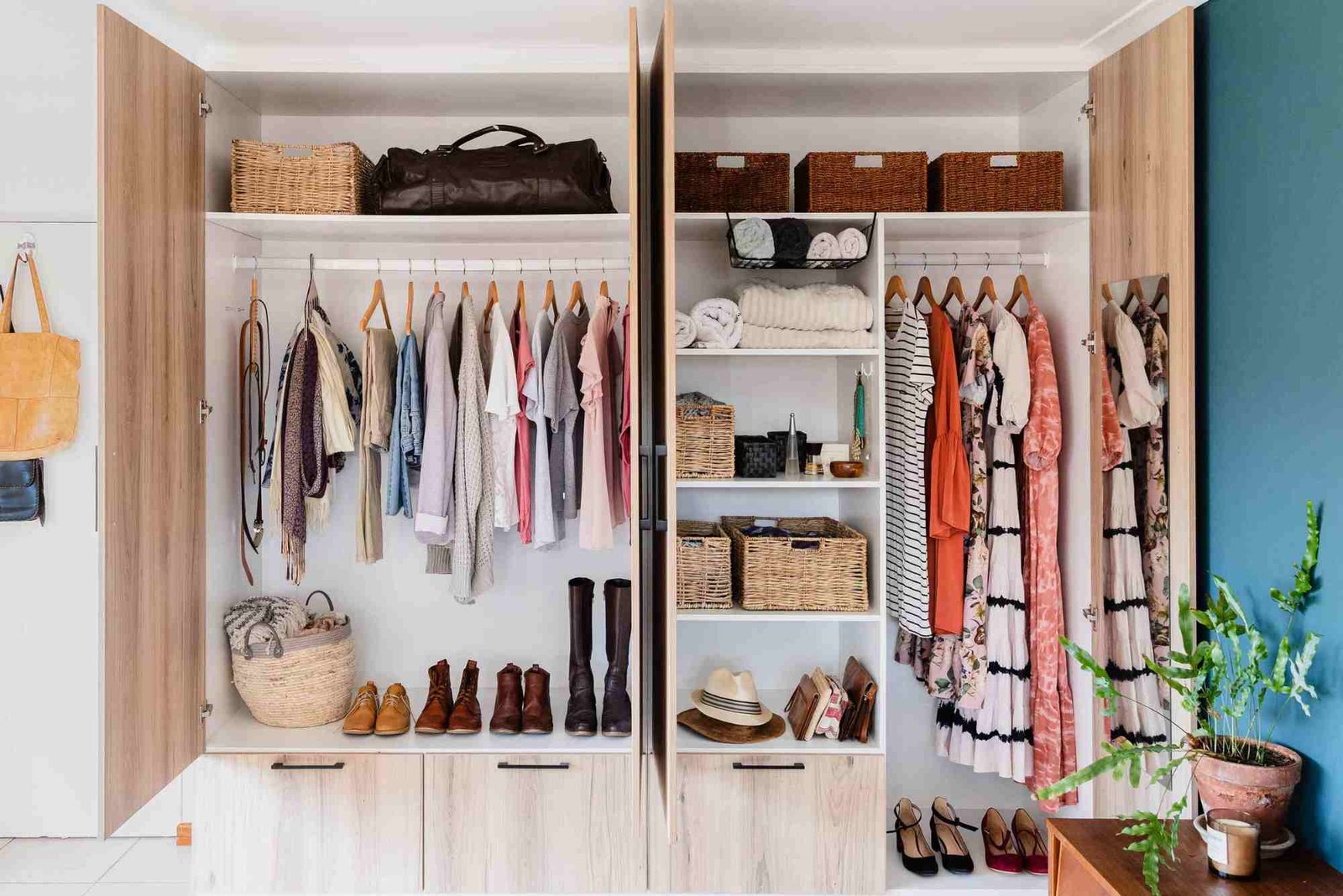
Introduction
Keeping clothes neat and organized is not just about aesthetics—it can save time, prolong the life of your garments, and make daily dressing effortless. Whether you have a small wardrobe or a walk-in closet, knowing how to store clothes efficiently is essential. Proper storage reduces wrinkles, prevents damage, and ensures your favorite outfits remain ready to wear. In this article, we’ll explore practical tips for storing clothes to keep them neat, using proven methods that work for all types of clothing.
Start with a Clean Wardrobe
Before storing clothes, always begin by cleaning your closet or storage space. Dust and dirt can transfer to fabrics over time, causing stains or deterioration. Empty shelves, drawers, and hanging areas and wipe them down with a gentle cleaner. A fresh and clean space sets the foundation for organized storage.
Additionally, inspect each garment before storing it. Launder or dry-clean items as needed. Storing dirty clothes can attract pests, cause odors, and make fabrics degrade faster. Treating stains and repairing minor damages before storage helps maintain the quality of your clothing.
Categorize Your Clothes
One of the most effective tips for storing clothes to keep them neat is categorization. Group similar items together, such as shirts, trousers, dresses, or outerwear. Categorization not only improves accessibility but also prevents overstuffing and creasing.
Within each category, consider further organizing by season, fabric type, or frequency of use. Seasonal organization allows you to store off-season clothes in less accessible spaces, freeing up room for everyday items. Lightweight fabrics like cotton or linen can be folded, while heavier items like wool coats may require hanging to prevent deformation.
Choose the Right Hangers
The type of hangers you use plays a significant role in keeping clothes neat. Wooden hangers are ideal for heavy garments such as coats, jackets, and blazers, as they maintain shape and prevent shoulder bumps. Slim velvet hangers work well for shirts and dresses, offering grip without stretching the fabric.
Avoid wire hangers as they can bend easily and leave marks on delicate fabrics. Padded hangers are excellent for delicate materials like silk or chiffon, preventing snagging or deformation. Consistently using the right hanger type helps your wardrobe look uniform and reduces wrinkling.
Fold Clothes Correctly
Not all clothes should be hung. Sweaters, knitwear, and heavy tops are better folded to prevent stretching. Use uniform folding techniques to create tidy stacks that fit neatly into drawers or shelves. Rolling soft items like t-shirts or leggings can save space and prevent creases.
When stacking, avoid piling items too high. Excessive weight can crush lower garments, causing wrinkles. Maintaining a balance between folded and hanging storage ensures your clothes remain organized and presentable.
Use Storage Containers and Boxes
For items that are not used daily, consider using storage containers or boxes. Clear plastic containers allow you to see contents easily, while labeled boxes help quickly locate seasonal clothes. Storage boxes also protect clothes from dust, moisture, and pests.
Vacuum-sealed bags are particularly useful for bulky items like winter coats or blankets. They compress fabrics, reducing storage space significantly. However, avoid over-compressing delicate fabrics like silk or lace to prevent creasing.
Maintain Proper Closet Conditions
Temperature, humidity, and light exposure affect how long clothes remain in good condition. Store clothes in a cool, dry place to prevent mold and mildew. Avoid direct sunlight, as it can fade colors and weaken fibers.
Adding a small moisture absorber, like silica gel packets, can help protect fabrics from dampness. For natural fibers such as wool and cashmere, cedar blocks or sachets deter moths while adding a pleasant fragrance. Maintaining ideal conditions is a simple yet effective step in preserving your wardrobe.
Keep Accessories Organized
Clothes storage isn’t complete without considering accessories. Scarves, belts, and ties can tangle and clutter your closet if not stored properly. Use hooks, racks, or dedicated drawers to keep accessories neat. This organization complements your clothes storage and makes daily dressing more efficient.
Shoes should also have their own designated space. Shoe racks or boxes prevent dirt transfer to garments and keep footwear in good shape. Coordinated storage for accessories supports a neat overall wardrobe.
Rotate Clothes Regularly
Even with organized storage, clothes should be rotated regularly. Moving items around prevents permanent creases and fabric wear in areas where garments rest. For seasonal items, take the opportunity to inspect and clean before reintegrating them into your daily wardrobe.
Rotation also helps in identifying pieces that you no longer wear. This is an excellent time to donate or recycle old clothes, maintaining a clutter-free environment. A thoughtful rotation strategy ensures your wardrobe stays functional and fresh.
Protect Delicate Fabrics
Special fabrics require extra care. Silk, lace, and embellished garments should be stored in breathable garment bags to prevent dust accumulation. Avoid plastic bags that trap moisture and can damage delicate fibers.
For delicate knitwear, folding rather than hanging is crucial to prevent stretching. Always handle these items gently and keep them in a separate area to avoid snags or friction from other garments. Proper protection extends the life of your finest clothes.
Maintain Consistency in Storage
Consistency is key to keeping clothes neat. Dedicate time periodically to check and reorganize your wardrobe. Folding items uniformly, keeping hangers aligned, and returning clothes to their proper place prevents disorder from accumulating over time.
Create a habit of putting items back immediately after use. Small, consistent efforts go a long way in maintaining a neat wardrobe. Over time, this practice minimizes the need for major reorganizing sessions.
Practical Tips for Traveling Storage
If you frequently travel, consider portable storage strategies. Packing cubes help compress clothing while keeping items separated. Rolling clothes instead of folding them can save space and reduce wrinkles.
For longer trips, consider garment bags for formal wear and delicate fabrics. Using travel-specific storage ensures clothes remain organized and presentable, even away from home.
Eco-Friendly Storage Options
Sustainable storage is increasingly important. Repurpose old boxes, suitcases, or baskets for clothing storage. Use natural materials like cotton or linen bags instead of plastic. This approach not only reduces waste but also allows your clothes to breathe, keeping them fresh.
Adopting eco-friendly methods aligns with both practical and environmental goals, offering a modern approach to wardrobe management.
Keeping clothes neat requires a combination of organization, proper techniques, and regular maintenance. By cleaning your wardrobe, choosing appropriate hangers, folding correctly, and protecting delicate fabrics, you can preserve the quality and appearance of your garments. Storage boxes, proper closet conditions, and consistent rotation further support a tidy wardrobe.
Start implementing these tips for storing clothes to keep them neat today, and enjoy a wardrobe that is organized, accessible, and long-lasting. Your daily dressing routine will be more enjoyable, and your clothes will stay in top condition for years.
Take action now: review your closet today and reorganize using these proven tips to keep your clothes neat and fresh.
Vintage fashion is all about embracing timeless styles with a modern twist. Mix classic pieces like high-waist trousers, retro dresses, and leather jackets with contemporary accessories to create a chic look. Experiment with patterns, textures, and colors from different eras while keeping outfits balanced. Confidence and personal flair make vintage outfits stand out. Learn more about curating your wardrobe with these essential Vintage Fashion Tips to Stay Stylish.
FAQ
How can I store clothes to prevent wrinkles?
Use proper hangers for hanging, fold sweaters and knitwear, and avoid over-stacking folded clothes. Rolling soft items can also prevent creases.
What is the best way to store seasonal clothes?
Store off-season items in labeled boxes or vacuum-sealed bags in a cool, dry place, away from direct sunlight.
Can I use plastic bags for clothes storage?
Avoid long-term storage in plastic bags as they trap moisture. Use breathable garment bags or fabric containers instead.
How do I protect delicate fabrics in storage?
Store delicate fabrics like silk or lace in breathable garment bags, fold them carefully, and keep them separate from heavier items to prevent damage.
What are some tips for small closet storage?
Use slim hangers, storage boxes, vertical space, and rotation techniques to maximize space. Keeping accessories organized also helps maintain overall tidiness.
This approach ensures your wardrobe stays neat, accessible, and ready to wear, supporting both efficiency and clothing longevity.