
Introduction
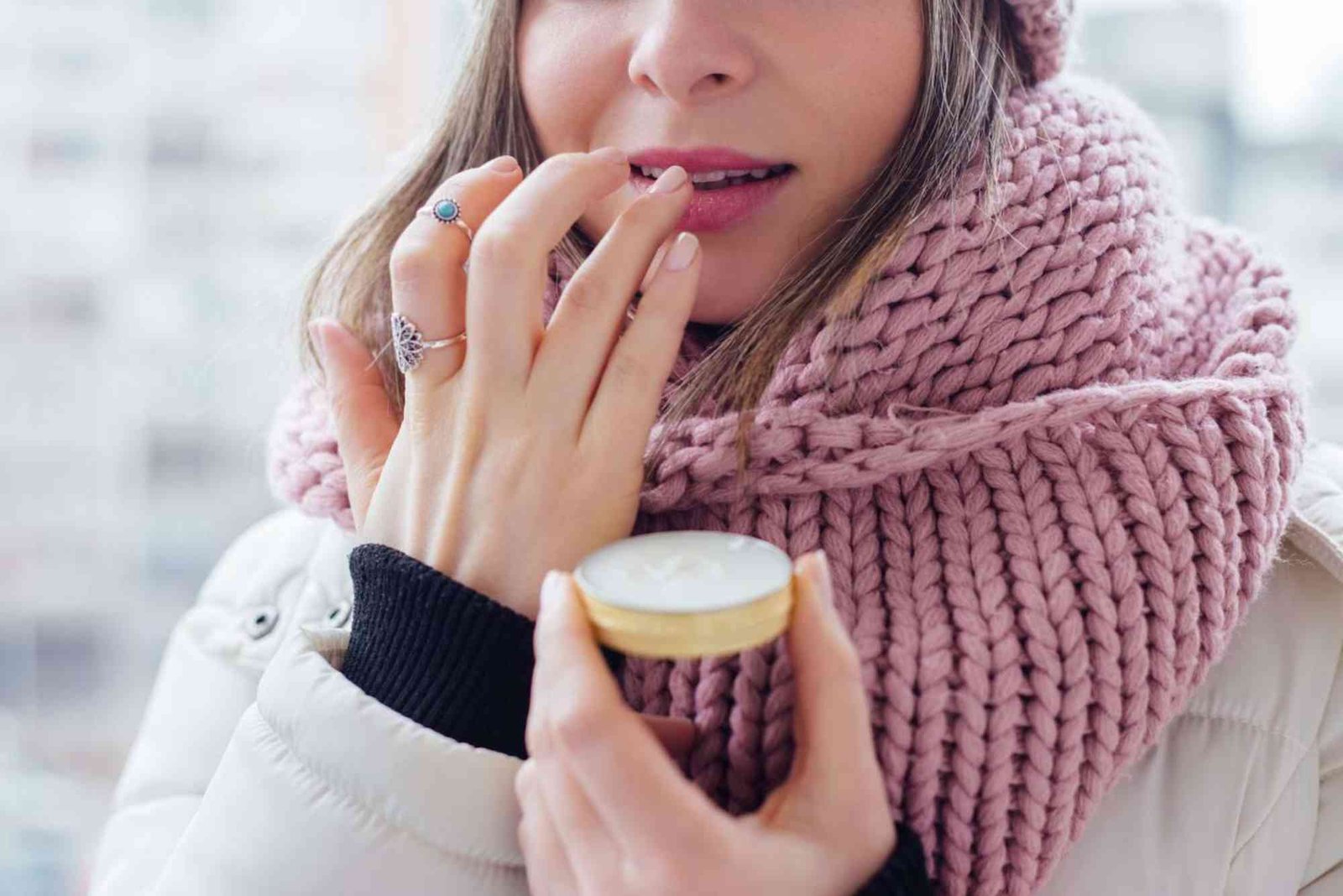
Chapped lips are a common problem, especially during cold, dry, or windy weather. They can be uncomfortable, painful, and even affect your overall appearance. Choosing the right lip balm can make a significant difference in keeping your lips smooth, hydrated, and healthy. Understanding what to look for and what to avoid can help you prevent dryness and discomfort effectively. This guide will explore practical tips for choosing lip balm to prevent chapped lips and how to maintain lip health throughout the year.
Understanding Chapped Lips
Chapped lips occur when the skin on your lips loses moisture faster than it can be replenished. Unlike the rest of your skin, lips lack oil glands, which makes them more vulnerable to dryness. Factors such as cold weather, low humidity, sun exposure, dehydration, frequent licking of lips, and certain medications can all contribute to chapping. Chronic chapped lips may also indicate underlying health issues like vitamin deficiencies or allergies. Knowing the causes of chapped lips helps in selecting the right lip balm and adopting preventive habits.
Key Ingredients to Look For
When choosing lip balm, examining the ingredients is essential. Some components provide hydration, while others may actually worsen dryness. Natural emollients like shea butter, cocoa butter, and coconut oil create a protective barrier that locks in moisture. Beeswax is another popular ingredient that forms a shield against environmental stressors. Humectants such as glycerin and hyaluronic acid attract water to the lips, maintaining softness and flexibility. Additionally, antioxidants like vitamin E help repair and protect the delicate skin on the lips from free radical damage caused by sun exposure.
It’s equally important to avoid certain harmful ingredients. Menthol, camphor, and phenol may give a temporary cooling effect but can actually dry lips further. Artificial fragrances, colors, and alcohol-based formulations can also irritate sensitive lips. Choosing lip balm with minimal additives ensures long-lasting relief and prevents allergic reactions or irritation.
SPF Protection for Lip Health
Sun exposure is a common yet overlooked cause of chapped lips. The lips are highly sensitive and can burn easily, leading to dryness, discoloration, and even premature aging. Selecting a lip balm with broad-spectrum SPF protection is crucial, especially if you spend time outdoors. SPF 15 is generally sufficient for daily use, but SPF 30 or higher is recommended for prolonged sun exposure. Consistent application not only prevents chapping but also reduces the risk of sun-related skin damage and potential lip cancer.
Texture and Application
Lip balms come in various textures, including sticks, pots, tubes, and tinted options. The right texture can affect how well the balm protects and hydrates your lips. Stick or tube formulations are convenient for on-the-go application, while pot-based balms may allow for richer and more concentrated moisture. Smooth, non-greasy textures are generally preferred for daytime use, as they can be applied under lipstick or lip gloss without smudging. Choosing a texture that suits your lifestyle ensures consistent use and better results in preventing chapped lips.
Hydration Beyond Lip Balm
While lip balm is effective, hydration should not stop there. Drinking plenty of water throughout the day is vital for overall skin and lip health. Eating a balanced diet rich in vitamins and minerals, especially vitamins A, C, E, and B complex, supports skin regeneration and moisture retention. Incorporating foods high in omega-3 fatty acids, such as salmon and flaxseeds, helps maintain the skin’s natural barrier. Regularly exfoliating lips with a gentle scrub or soft toothbrush can remove dead skin and allow the lip balm to penetrate better. Maintaining hydration internally complements the protective effects of your chosen lip balm.
Seasonal Considerations
Different seasons pose unique challenges for lip care. During winter, cold air and indoor heating can strip moisture quickly. Thick, occlusive balms with ingredients like shea butter or petrolatum work well to form a protective layer. In summer, light, non-greasy balms with SPF help shield lips from sun damage and prevent sweat-related irritation. Understanding seasonal needs allows you to adjust your lip care routine and select the most suitable lip balm to prevent chapped lips effectively.
Avoiding Common Mistakes
Even with the right lip balm, certain habits can undermine its effectiveness. Licking lips may provide temporary relief, but it accelerates dryness as saliva evaporates quickly. Overusing flavored or medicated lip balms can also cause dependency, leading lips to rely on external moisture rather than self-hydration. Sharing lip products can spread bacteria, resulting in infections. Avoiding these common mistakes ensures that your chosen lip balm delivers maximum protection and hydration.
Personalized Choices
Choosing the right lip balm can also be a matter of personal preference and specific needs. Those with highly sensitive lips might benefit from hypoallergenic formulas with minimal ingredients. If you frequently wear lipstick, tinted or transparent lip balms with hydrating properties may be preferable. For individuals prone to severe chapping or cracking, medicated balms containing ceramides or urea may offer targeted relief. Paying attention to your lips’ unique requirements helps you select a product that is both effective and comfortable to use.
Lifestyle and Environmental Factors
Environmental conditions and lifestyle habits play a significant role in lip health. Smokers may notice increased dryness due to exposure to smoke and chemicals. Regular exposure to wind or dry climates accelerates moisture loss. Keeping a lip balm in your bag, pocket, or desk ensures you can reapply as needed. Incorporating lip protection into your daily routine, such as applying balm before outdoor activities or before bed, maximizes hydration and prevents chapped lips from developing.
Long-Term Lip Care
Preventing chapped lips requires more than occasional use of lip balm. Establishing a consistent lip care routine helps maintain soft and healthy lips over time. Daily hydration, proper nutrition, gentle exfoliation, and appropriate lip balm application work together to protect lips from environmental damage and dryness. Observing changes in lip texture, color, or sensitivity can also provide early warning signs of underlying health issues, allowing timely intervention.
Choosing the right lip balm is a combination of understanding ingredients, recognizing environmental factors, and adopting healthy lip habits. Look for nourishing components like shea butter, beeswax, and vitamin E, and avoid irritating additives. Protect your lips from the sun with SPF, hydrate internally, and adjust your routine according to seasonal needs. By following these tips for choosing lip balm to prevent chapped lips, you can maintain smooth, healthy lips throughout the year. Remember, consistent care and the right product can make all the difference. Take control of your lip health today by selecting a lip balm tailored to your unique needs and lifestyle.
Choosing the right skincare products is essential to avoid irritation and breakouts. Learn how to avoid skincare products that may harm your skin by checking ingredients, patch-testing new items, and understanding your skin type. Being cautious helps prevent allergic reactions, dryness, or acne. Stay informed and make safe choices for healthy, glowing skin.
FAQ
What is the best ingredient for preventing chapped lips?
Ingredients like shea butter, cocoa butter, beeswax, and hyaluronic acid are highly effective in locking in moisture and preventing dryness.
How often should I apply lip balm?
Apply lip balm as needed, especially before going outdoors, after meals, or whenever your lips feel dry. Consistent application ensures lasting hydration.
Can SPF lip balm prevent sun damage?
Yes, lip balms with broad-spectrum SPF protect lips from harmful UV rays, preventing dryness, discoloration, and premature aging.
Is it bad to lick my lips?
Frequent licking removes natural moisture, worsening dryness. Using a hydrating lip balm is a better solution.
Are natural lip balms better than synthetic ones?
Natural lip balms with minimal additives are generally gentler and less likely to cause irritation, while still providing effective moisture.
Can lip balm help cracked lips heal faster?
Yes, lip balms with nourishing and occlusive ingredients create a protective layer, allowing lips to heal and preventing further damage.
Do I need different lip balms for summer and winter?
Yes, winter balms should be thick and occlusive for intense protection, while summer balms should be lighter and SPF-enriched to guard against sun exposure.