
Introduction
The development of modern transportation in tourism has reshaped the way people explore the world. What once required weeks of difficult travel can now be done in hours, opening destinations that were previously unreachable. From high-speed trains and budget airlines to electric buses and cruise megaships, transportation is no longer just a way to move—it is part of the tourism experience itself.
Today’s travelers expect speed, comfort, safety, and sustainability. As a result, governments, tourism boards, and private companies continue to invest heavily in innovative transport systems. This article explores how modern transportation has evolved, how it supports tourism growth, and what the future holds for global travel.
The Historical Evolution of Transportation in Tourism
Early Travel and Its Limitations
In the past, tourism was limited to the wealthy and adventurous. Travel was slow, expensive, and often dangerous. Journeys were made by foot, animal, carriage, or sailing ships, and only a small portion of society could afford to travel for leisure.
The Industrial Revolution and Mass Tourism
The invention of steam trains and steamships in the 19th century marked the first major turning point. Railways connected cities, while steamships reduced travel time across oceans. This era laid the foundation for mass tourism by making travel accessible to a wider population.
The Role of Modern Transportation in Tourism Growth
The development of modern transportation in tourism is directly linked to economic expansion, destination accessibility, and traveler satisfaction.
Improved Accessibility to Destinations
Modern transportation allows tourists to reach remote and emerging destinations. Islands, deserts, and mountain regions that were once unreachable now welcome international visitors.
Boost to Local Economies
Tourism thrives when transportation is efficient. Airports, train stations, and cruise ports create jobs and stimulate hospitality, retail, and cultural industries.
Time Efficiency and Convenience
High-speed transport reduces travel time, allowing tourists to explore more places within a shorter period. This increases travel frequency and overall tourism revenue.
Air Transportation: The Backbone of Global Tourism
The Rise of Commercial Aviation
Air travel is the most significant contributor to international tourism. The expansion of global airline networks has made cross-border travel faster and more affordable.
Low-Cost Carriers and Tourism Expansion
Budget airlines have democratized travel. People can now explore new destinations without high costs, increasing tourism flows to both major cities and secondary locations.
Smart Airports and Passenger Experience
Modern airports use digital check-in, biometric security, and automated baggage systems to enhance traveler comfort and reduce wait times.
Rail Transportation: Speed and Sustainability
High-Speed Rail Networks
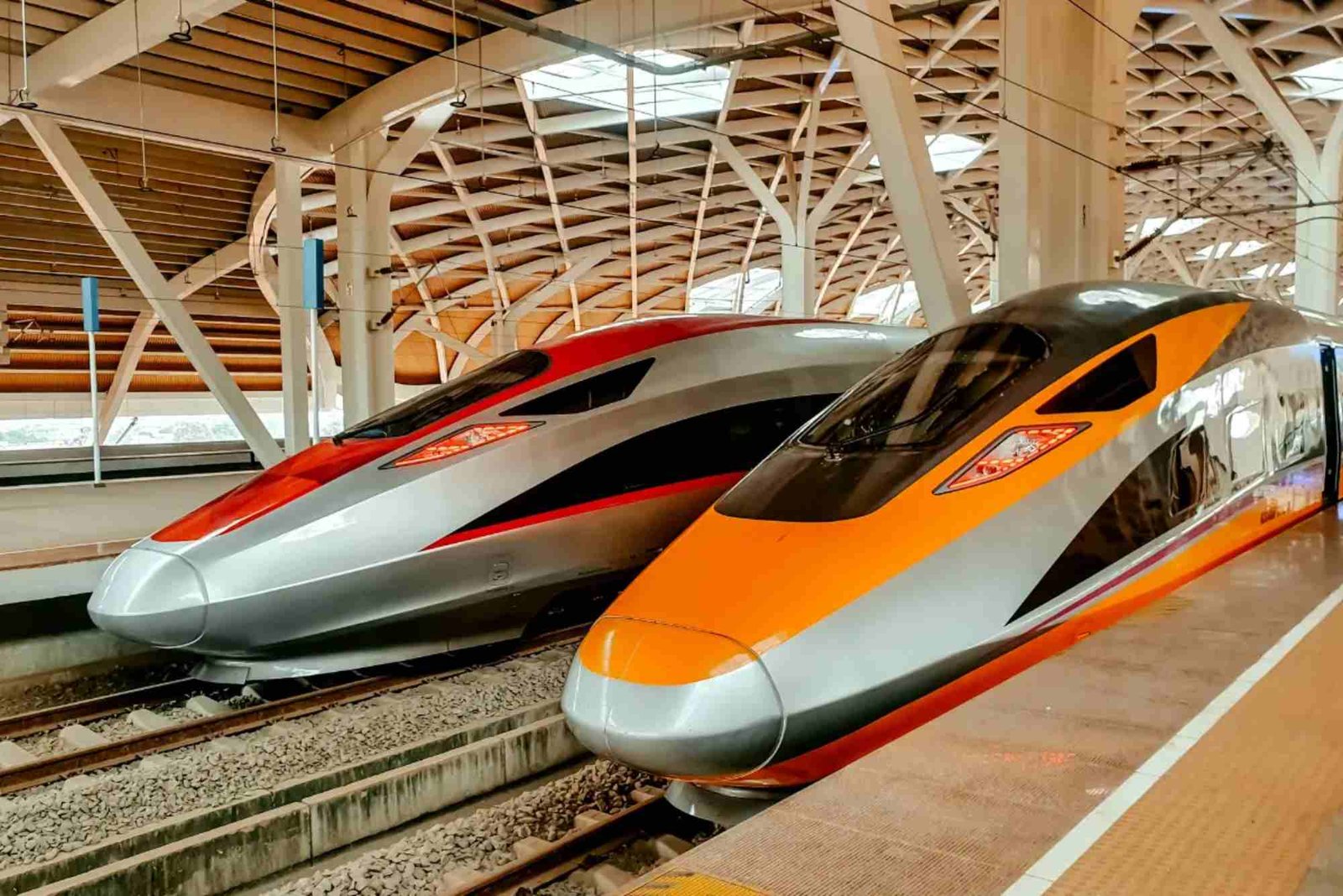
Countries like Japan, China, France, and Germany have developed high-speed rail systems that compete with air travel for short to medium distances.
Scenic Rail Journeys
Rail travel has become an attraction in itself, offering panoramic views and cultural immersion, which enhances the tourism experience.
Road Transportation: Flexibility for Travelers
Modern Highways and Tourist Routes
Well-developed road networks allow tourists to explore rural areas and hidden destinations. Road trips have become a popular travel trend.
Electric and Smart Vehicles
Electric buses, car rentals, and ride-sharing apps provide eco-friendly options while improving tourist mobility in cities.
Sea Transportation: Cruise Tourism and Ferries
Cruise Industry Growth
Cruise ships are floating cities, offering entertainment, dining, and accommodation. They connect multiple destinations in a single journey.
Ferry Systems for Island Tourism
Ferries link coastal cities and islands, supporting regional tourism and local economies.
Technology’s Impact on Modern Transportation in Tourism
Digital Booking Platforms
Online apps allow travelers to book flights, trains, and buses instantly, simplifying trip planning.
GPS, AI, and Smart Systems
Navigation tools, real-time tracking, and AI-based route optimization improve safety and efficiency.
Sustainability and Green Transportation
The Push for Eco-Friendly Travel
Tourism now prioritizes sustainability. Governments encourage electric vehicles, biofuels, and renewable energy-powered transport.
Reducing Carbon Footprints
Green transport systems help protect natural attractions, ensuring long-term tourism growth.
Challenges in Modern Tourism Transportation
Infrastructure Costs
Developing transport systems requires heavy investment, which can strain public budgets.
Environmental Concerns
Despite improvements, transportation still contributes to pollution, requiring continuous innovation.
The Future of Modern Transportation in Tourism
Autonomous Vehicles
Self-driving buses and taxis will enhance safety and convenience.
Hyperloop and Space Tourism
Futuristic transport concepts could redefine travel speed and global connectivity.
FAQs
How does transportation affect tourism?
Transportation determines how easily tourists can reach destinations, directly influencing tourism growth and economic impact.
What is the role of air transport in tourism?
Air travel enables international tourism by connecting distant regions quickly and efficiently.
Why is sustainable transport important for tourism?
It reduces environmental damage and preserves destinations for future generations.
How has technology improved tourism transportation?
Technology enables online booking, smart navigation, and real-time updates, improving traveler experience.
The development of modern transportation in tourism continues to shape global travel. With innovations in speed, sustainability, and technology, the tourism industry is becoming more connected than ever. As travelers seek meaningful experiences, transportation will remain the bridge that connects cultures, economies, and people.
Boutique Hotels That Are Currently Popular in Asia: Boutique Hotels That Are Currently Popular in Asia are known for their unique design, personalized service, and cultural charm. From Bali’s luxury villas to Tokyo’s stylish retreats, these hotels offer travelers a cozy yet premium stay, blending local traditions with modern comfort for unforgettable experiences across Asia.