
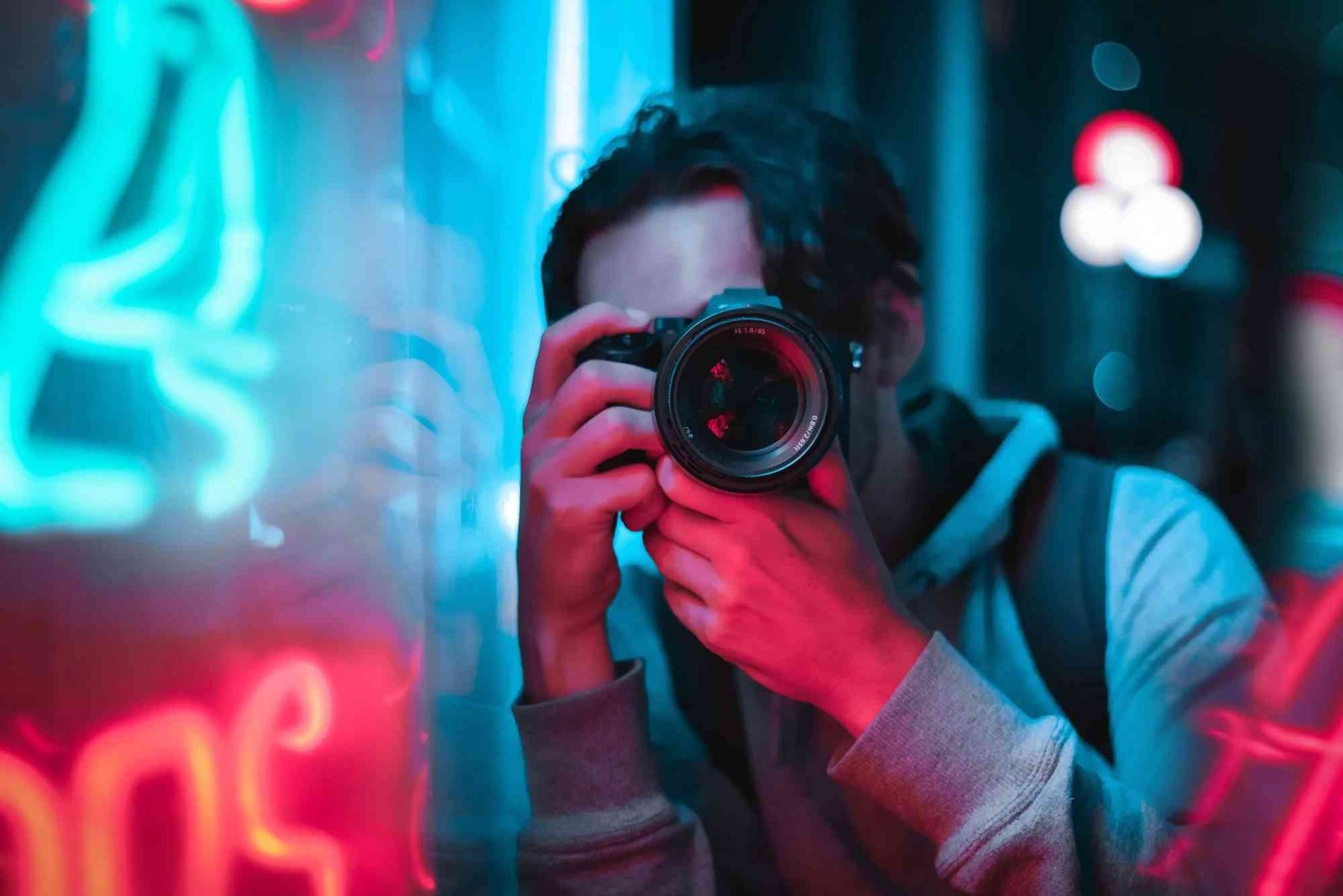
Photography as an Art: Basic Tips and Exploration Ideas
Photography as an Art: Basic Tips and Exploration Ideas is more than capturing images. It is about expressing emotion, telling stories, and sharing perspectives through light and composition. Many people see photography as a technical skill, but true creativity turns it into art. When you understand how to combine technique with vision, your photos become meaningful and powerful.
In today’s digital world, everyone owns a camera. However, not everyone creates artistic photographs. Mastering photography as an art requires patience, observation, and practice. You must learn how light, subject, mood, and composition work together. By exploring new ideas and refining basic skills, you can elevate your work and develop a personal style.
Understanding Photography as an Art starts with recognizing that every image communicates something. A strong photograph captures attention and connects emotionally with viewers. Instead of focusing only on equipment, focus on creativity and expression. Your vision matters more than expensive gear.
Understanding the Artistic Mindset
Before improving technical skills, develop an artistic mindset. Photography as an Art: Basic Tips and Exploration Ideas encourages photographers to observe the world differently. Look for interesting shadows, textures, reflections, and moments in daily life.
Train your eyes to notice details others ignore. Pay attention to light during sunrise and sunset because natural light enhances mood. Experiment with angles and perspectives to create unique compositions. Changing your viewpoint can transform ordinary scenes into extraordinary art.
Artistic photographers think before they shoot. They ask themselves why they capture a scene and what story they want to tell. This reflection improves intention and creativity. When you approach photography with purpose, your images become stronger and more meaningful.

Mastering Light and Exposure
Light is the foundation of photography as an art form. Without proper lighting, even the best subject loses impact. Learning how to control and use light effectively is essential for artistic growth.
Natural light works beautifully for creative photography. Soft light during golden hour creates warm tones and smooth shadows. Harsh midday light can produce strong contrasts and dramatic effects. Instead of avoiding difficult light, experiment with it to discover unique results.
Understanding exposure settings also improves artistic control. Adjust aperture to manage depth of field and isolate your subject. Use shutter speed to freeze motion or create motion blur. Control ISO carefully to maintain image quality while shooting in different conditions.
When you combine light awareness with exposure knowledge, your photographs gain depth and clarity. Practice regularly to understand how these elements interact.
Composition Techniques for Artistic Impact
Composition plays a major role in Photography as an Art: Basic Tips and Exploration Ideas. Strong composition guides the viewer’s eye and creates balance within the frame.
Use the rule of thirds to position important elements off-center. This technique adds visual interest and prevents boring symmetry. Leading lines help direct attention toward the subject and create movement inside the image.
Negative space can enhance artistic expression by giving your subject room to breathe. It highlights simplicity and elegance. Framing techniques, such as using windows or trees, add depth and context to your photos.
Experiment with symmetry, patterns, and repetition. These elements create rhythm and harmony in artistic photography. Do not hesitate to break rules once you understand them. Creativity often grows when rules are used as flexible guidelines.
Exploring Creative Ideas and Concepts
Photography as an Art: Basic Tips and Exploration Ideas includes exploring different themes and concepts. Creative exploration expands your vision and improves storytelling skills.
Try portrait photography that focuses on emotions rather than perfect poses. Capture natural expressions and candid moments. Environmental portraits combine people with meaningful surroundings to tell deeper stories.
Experiment with abstract photography by focusing on shapes, colors, and textures. Abstract images encourage viewers to interpret meaning freely. Close-up photography reveals details that often go unnoticed.
Street photography is another powerful way to explore real-life moments. Observe public spaces and capture authentic interactions. This style requires patience and respect for people’s privacy.
Nature photography offers endless inspiration. Photograph landscapes, wildlife, or small natural details like leaves and water droplets. Each environment presents unique artistic opportunities.
Developing a Personal Style
Every photographer grows by discovering a unique visual identity. Photography as an Art becomes stronger when your work reflects personal style and creativity.
Study the work of professional photographers for inspiration. Analyze their composition, lighting, and subject choices. However, avoid copying their style directly. Use inspiration to develop something original.
Consistency helps build recognition. Choose certain colors, moods, or themes that represent your artistic vision. Editing style also contributes to personal branding. Adjust contrast, color tones, and sharpness carefully to create a signature look.
Over time, your preferences and techniques will evolve. Embrace experimentation because growth happens through practice and exploration.
Importance of Storytelling in Photography
Storytelling transforms images into powerful artistic expressions. Photography as an Art: Basic Tips and Exploration Ideas emphasizes meaning beyond visual beauty.
Think about the message behind each photo. Ask yourself what emotions you want to evoke. A photograph with storytelling elements feels more engaging and memorable.
Capture sequences that show progression or action. Document events, daily routines, or special moments. Series photography strengthens narrative impact.
Include small details that add context. Objects, expressions, and surroundings contribute to the overall story. Strong storytelling makes your photography meaningful and professional.
Editing as an Artistic Tool
Editing plays an important role in modern photography. It enhances creativity and improves overall presentation. However, editing should support your vision instead of overpowering it.
Use editing software to adjust exposure, contrast, and color balance. Fine-tune highlights and shadows to create depth. Crop images carefully to improve composition.
Color grading influences mood significantly. Warm tones create comfort and energy. Cool tones add calmness or mystery. Experiment with different adjustments to match your artistic concept.
Avoid excessive filters that reduce image authenticity. Subtle and thoughtful editing enhances natural beauty while preserving originality.
Practicing Consistently for Growth
Improvement comes through regular practice. Photography as an Art develops when you continuously challenge yourself.
Set personal projects to explore new techniques. For example, dedicate one week to portrait photography and another to black-and-white images. These exercises expand skills and creativity.
Review your old photographs and analyze mistakes. Identify areas where composition or lighting can improve. Learning from experience strengthens artistic development.
Participate in photography communities online or offline. Feedback from others provides valuable insights. Constructive criticism helps refine your work and boost confidence.
Overcoming Creative Blocks
Every artist faces creative blocks at some point. When inspiration feels low, try changing your environment. Visit new locations or explore different subjects.
Take breaks from editing and shooting to refresh your mind. Sometimes distance improves perspective. Try shooting with limitations such as using only one lens or focusing on a single color.
Limitation often sparks creativity. Challenges push you to think differently and discover innovative solutions. Remember that creative struggles are part of growth.
Building Confidence as a Photography Artist
Confidence grows through consistent effort and experimentation. Photography as an Art: Basic Tips and Exploration Ideas encourages photographers to trust their vision.
Share your work publicly and accept feedback gracefully. Each published image strengthens your experience. Do not compare yourself excessively with others because every artist progresses at their own pace.
Celebrate small achievements. Every improvement in technique or creativity marks progress. Confidence develops when you recognize your development over time.
Photography as an Art: Basic Tips and Exploration Ideas shows that artistic photography combines skill, creativity, and storytelling. Master light, composition, and editing while exploring new themes and personal expression. Practice regularly and develop your unique style through experimentation.
Remember that art grows with patience and passion. Do not focus only on equipment. Focus on vision and creativity instead.
Start applying these tips today. Experiment with different subjects and lighting conditions. Challenge yourself to capture meaningful images that reflect your perspective. Share your work, learn from feedback, and continue improving. Take action now and transform your photography into true art.
The Most Favorite Mystery Films of All Time have captivated audiences with suspenseful storytelling, thrilling plot twists, and unforgettable characters. These films keep viewers guessing until the very end, creating excitement and engagement throughout. From classic detective stories to modern psychological mysteries, they offer a perfect blend of drama and intrigue. Exploring the best mystery movies allows fans to experience powerful narratives that challenge the mind and spark curiosity. Discover timeless films that define the mystery genre and continue to inspire audiences worldwide.
FAQs
What makes photography art?
Photography becomes art when it expresses emotion, creativity, and storytelling through composition and light.
How can beginners improve quickly?
Practice daily, study light, follow composition rules, and experiment with different subjects.
Is expensive gear necessary for artistic photos?
No. Creativity and skills matter more than expensive equipment.
How important is editing?
Editing enhances mood and quality but should not overpower the natural image.
How do I develop my own style?
Experiment regularly, analyze your work, and stay consistent with themes and visual choices.