
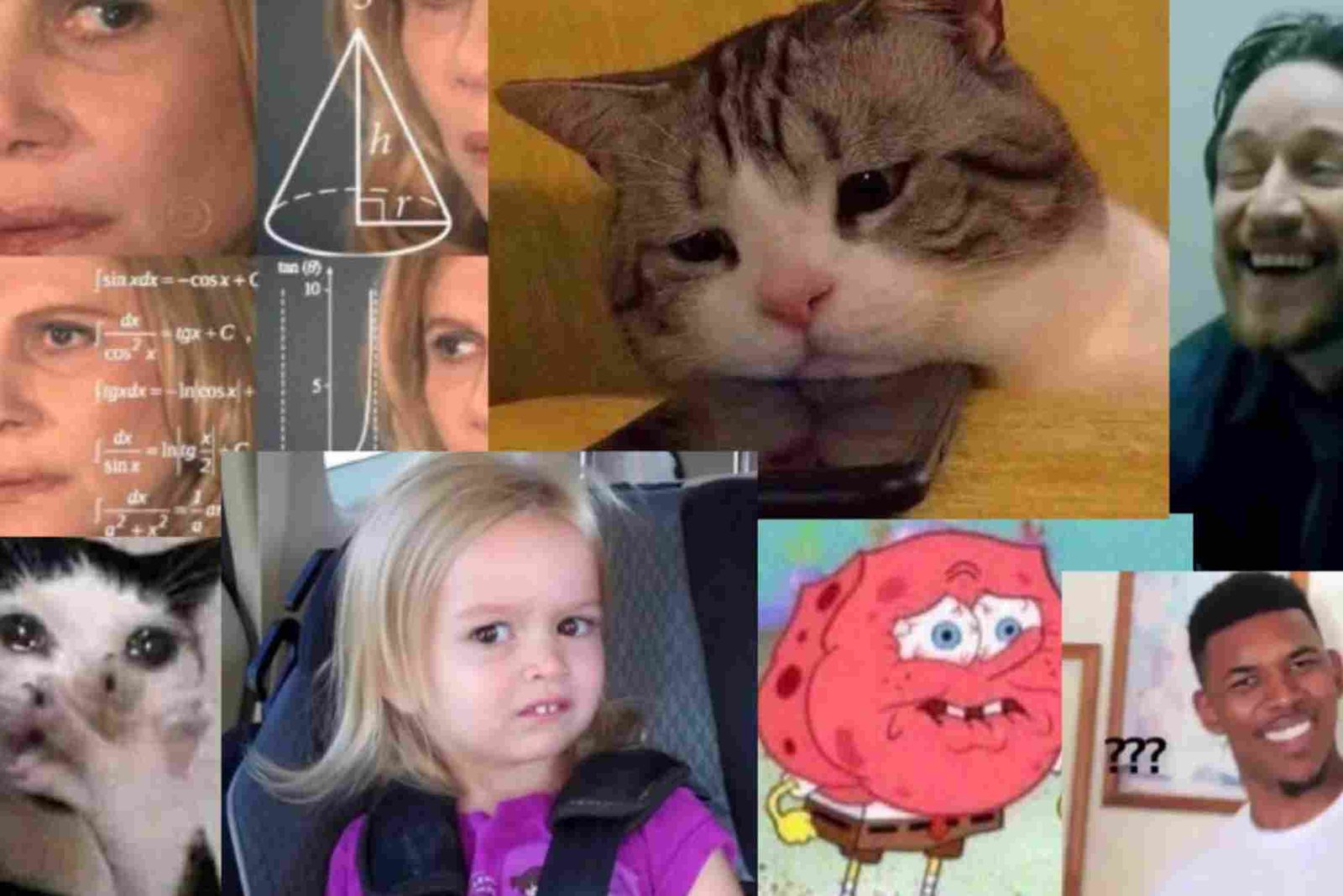
Meme culture and humor on social media have transformed the way people communicate online. What started as simple images with text has evolved into a global phenomenon that influences trends, politics, and entertainment. Memes provide a unique way to express ideas quickly, connect with communities, and even create social commentary, all while keeping humor at the center. Understanding this culture is key to grasping modern online interactions.
The Origins of Meme Culture
Early Internet Memes
Memes have been around since the early days of the internet. Simple images, jokes, and viral content circulated through forums like 4chan and Reddit. These early memes were experimental, often absurd, and reflected niche subcultures.
Richard Dawkins and the Concept of Memes
The term “meme” was popularized by Richard Dawkins in his 1976 book The Selfish Gene. He used it to describe ideas that spread like genes, evolving over time. Social media accelerated this concept, turning memes into viral cultural artifacts.
Transition to Social Media Platforms
With the rise of Facebook, Twitter, and Instagram, memes became mainstream. Platforms provided easy sharing tools, hashtags, and algorithms that promoted viral content, allowing humor to reach global audiences instantly.
Why Memes Are So Popular
Relatability and Shared Experience
Humor in memes often stems from relatability. Users see their own experiences, frustrations, or emotions reflected, creating a sense of connection. Shared humor strengthens online communities and promotes engagement.
Concise Communication
Memes communicate complex ideas or emotions in seconds. A single image with witty text can convey what might take paragraphs to explain. This brevity appeals to users in fast-paced social media environments.

Social Commentary Through Humor
Many memes serve as social commentary. They allow users to address politics, trends, or societal issues humorously, making sensitive topics more approachable and shareable without direct confrontation.
Popular Types of Memes
Image Macros
Image macros are the classic format of a meme, featuring a recognizable image paired with humorous or sarcastic text. Examples include “Grumpy Cat” and “Success Kid.”
Video Memes and GIFs
Short videos and GIFs have become a popular format. Platforms like TikTok, Instagram Reels, and Twitter amplify video memes, which can deliver punchlines with timing and movement.
Reaction Memes
Reaction memes capture emotions or responses, often with a famous scene, expression, or phrase. They are widely used in comments, replies, and storytelling online.
Meme Challenges and Trends
Social media regularly introduces meme-based challenges or trends. These often encourage user participation and creative spin-offs, increasing engagement and visibility.
The Psychological Appeal of Memes
Cognitive Humor
Memes often use incongruity, surprise, or exaggeration, which triggers cognitive humor. This makes them memorable and shareable.
Emotional Connection
Memes can evoke nostalgia, empathy, or amusement, forming emotional connections between users. This encourages repeated sharing and participation.
Group Identity and Belonging
Participating in meme culture signals belonging to an online community. Using specific memes often indicates membership in a group or understanding of certain trends.
The Impact of Memes on Social Media
Marketing and Branding
Brands leverage meme culture to engage audiences authentically. Relatable humor can humanize a brand and drive organic reach. Successful campaigns often mimic authentic memes rather than creating forced advertisements.
Political Influence
Memes have become tools for political messaging. They simplify complex issues and influence perceptions, especially among younger audiences. Political memes can spark discussions, awareness, and even misinformation.
Trend Setting and Virality
Memes often shape online trends, influencing fashion, language, and entertainment. Viral memes can even dictate pop culture references, music popularity, or streaming content trends.
Challenges in Meme Culture
Copyright and Originality
As memes spread, original creators may not get credit. Copyright issues arise when popular images or content are reused without permission.
Sensitivity and Controversy
Humor in memes can sometimes offend or propagate stereotypes. Misinterpretation or cultural differences may lead to controversy. Users and brands must navigate this carefully.
Short Lifespan
Memes are often fleeting. Trends fade quickly, and what is viral today may be forgotten tomorrow. Staying relevant requires constant creativity and adaptability.
How to Engage with Meme Culture
Follow Trends Without Overdoing It
Understanding current meme trends is essential, but overusing them can appear inauthentic. Observing how communities react helps guide content creation.
Create Relatable Content
The most successful memes resonate with users’ experiences or emotions. Humor combined with relatability increases shareability and engagement.
Use Humor Responsibly
Memes should entertain without harming. Avoid offensive content, respect diverse perspectives, and aim for inclusivity.
Meme culture and humor on social media are more than just entertainment. They are a powerful form of communication, connecting people globally, shaping trends, and influencing opinions. Embracing memes responsibly can strengthen online presence, enhance engagement, and bring communities together.
If you want to understand your audience better or incorporate memes into your digital strategy, start observing trends, testing relatable humor, and engaging authentically. The right approach can make your content go viral while keeping interactions fun and meaningful.
indon.id adalah platform digital informatif yang menyajikan berbagai konten terkini seputar teknologi, gaya hidup, bisnis, dan informasi populer lainnya. Dengan tampilan sederhana dan mudah diakses, indon.id menjadi sumber bacaan yang relevan bagi pengguna yang ingin mendapatkan wawasan terpercaya, ringkas, dan up-to-date dalam satu tempat.
FAQ
What is meme culture on social media?
Meme culture on social media is the shared creation, consumption, and dissemination of humorous content that reflects online trends and community experiences.
Why are memes so popular online?
Memes are popular because they are relatable, concise, and emotionally engaging, allowing users to communicate humor and ideas quickly.
How do memes influence social media trends?
Memes influence trends by sparking participation, creating viral challenges, and shaping language, fashion, and entertainment preferences.
Can brands use memes effectively?
Yes, brands can use memes authentically to connect with audiences, increase engagement, and humanize their presence, but they must avoid forced or offensive content.
What makes a meme go viral?
A meme goes viral when it is relatable, humorous, emotionally engaging, and easy to share, often reflecting current events or cultural trends.
Are memes safe to share on social media?
Most memes are safe if shared responsibly, avoiding offensive, copyrighted, or sensitive material. Understanding cultural context is key.