Internet Meme and Humor Trends: Why Do They Go Viral Quickly
In the age of social media, internet memes and humor trends have become a central part of online communication. From quirky images to short videos, memes can reach millions within hours. But what makes certain memes go viral while others fade into obscurity? Understanding the dynamics behind viral content requires exploring psychology, social behavior, and the mechanics of digital platforms.
The Psychology Behind Viral Humor
Humor is universal, but certain types resonate more online. Memes that evoke surprise, relatability, or irony often catch attention. When people see a meme that reflects their personal experience, it triggers an emotional reaction, encouraging shares and comments.
Relatability Drives Sharing
People share content that mirrors their feelings or daily life. A meme about a stressful Monday, for example, connects instantly with a broad audience. This shared experience creates a sense of community. The more someone identifies with a meme, the more likely they are to spread it to friends or followers.
The Role of Emotions
Positive emotions, like joy or amusement, increase the likelihood of sharing. Interestingly, memes that provoke mild shock or playful sarcasm can also spread rapidly. Emotional content captures attention in a crowded social media feed, making viewers pause, react, and engage.
Social Media Algorithms and Virality
Behind every viral meme, algorithms play a crucial role. Platforms like Instagram, Twitter, TikTok, and Facebook prioritize content that generates engagement. Likes, shares, comments, and watch time send signals to the algorithm that the content is worth boosting.
Timing and Platform Dynamics
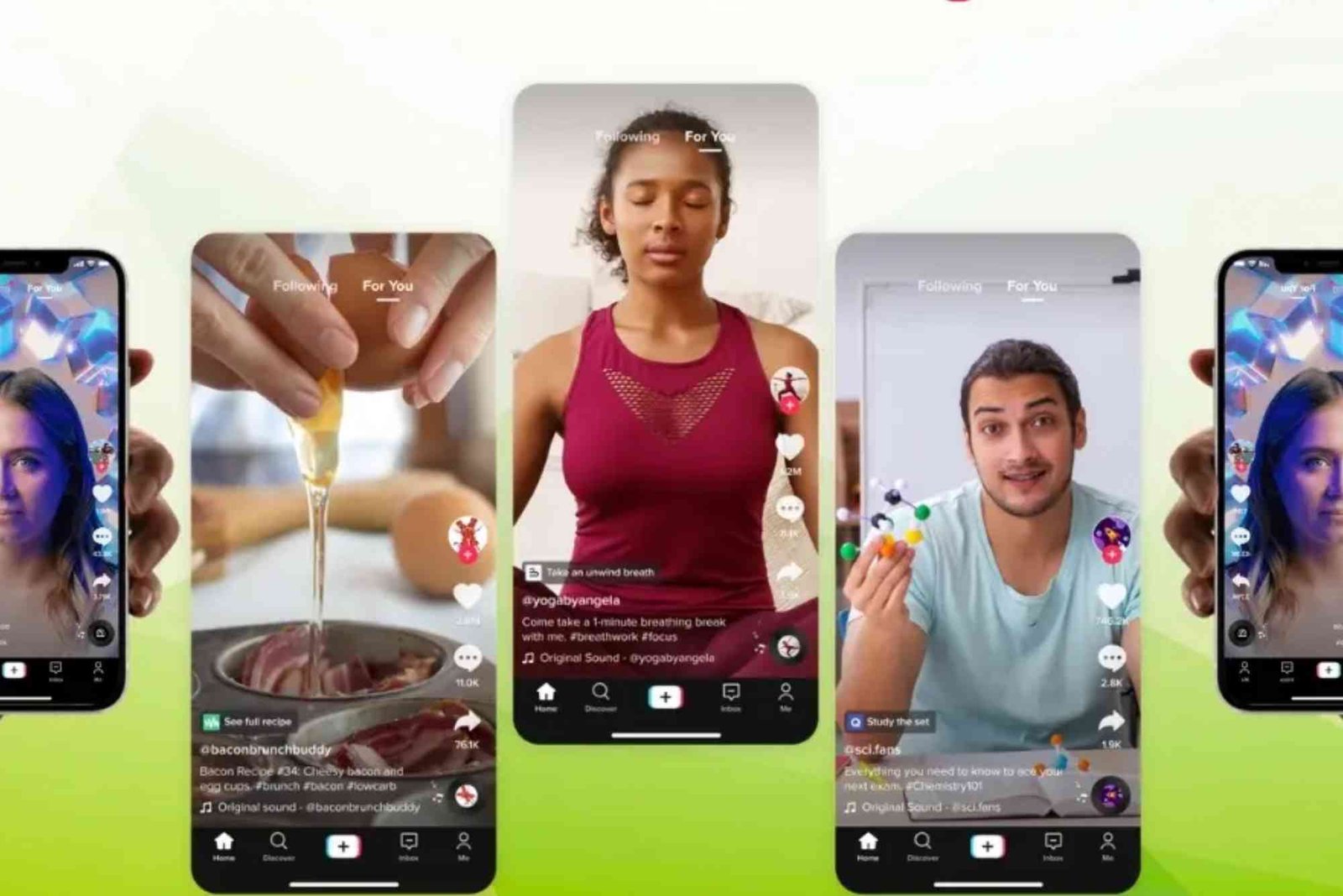
Posting at peak hours and understanding platform trends can increase visibility. TikTok’s “For You” page, for example, can rapidly amplify a humorous video if early viewers interact positively. Similarly, Twitter threads with clever memes can go trending within minutes, creating snowball effects.
Meme Formats and Trends
Certain formats lend themselves to virality. Image macros, reaction videos, and looping GIFs are particularly effective because they are easy to consume and remix. Trending formats often inspire derivative content, which further accelerates spread.
Cultural and Social Factors
Memes don’t exist in isolation—they reflect cultural and societal contexts. Memes referencing current events, pop culture, or political situations resonate because they tap into shared knowledge and experience.
Memes as Social Commentary
Humor allows people to comment on social issues in a lighthearted way. Satirical memes about politics, celebrity culture, or internet challenges often become viral because they provide insight while entertaining. This dual function—entertainment plus commentary—enhances engagement.
Cross-Cultural Adaptation
While some memes remain niche, others cross cultural boundaries. The key lies in universal themes like love, frustration, or absurdity. Platforms encourage remixing and translations, enabling a meme to gain international traction quickly.
The Science of Memetic Spread
Richard Dawkins first coined the term “meme” in 1976 to describe ideas that propagate like genes. Online, this concept translates to content that is easy to replicate and modify. Memes that are simple, visually appealing, and adaptable have higher chances of viral spread.
Simplicity and Memorability
Complex ideas rarely go viral. Memes with clear, concise messages or images are easily digestible. The brain favors information that can be processed quickly, especially in a fast-scrolling environment. Memes that are instantly understood are shared more widely.
Reproducibility and Remix Culture
The internet encourages creative reinterpretation. When users add captions, change images, or create spin-offs, the meme evolves and spreads. This participatory culture fuels virality, as each remix attracts new viewers while reinforcing the original idea.
Influence of Communities and Influencers
Certain online communities and influencers act as accelerators for meme virality. A meme shared by a popular account can reach millions of followers instantly, while niche communities often incubate trends before they explode globally.
Niche Communities as Trend Incubators
Subreddits, Discord channels, and TikTok niches often develop memes that later break into mainstream culture. These spaces allow experimentation and rapid feedback, which helps refine content to maximize engagement.
Influencers as Amplifiers
Influencers possess the power to transform a small meme into a global sensation. Their endorsement signals value, encouraging followers to interact and share. This network effect can make memes go viral within hours rather than days.
The Role of Humor in Marketing
Brands increasingly harness memes to engage audiences. Marketing campaigns that embrace humor often perform better because they feel authentic and relatable. Memes provide an approachable way to communicate brand messages without heavy advertising.
Brand Engagement and Meme Culture
Memes help brands tap into cultural conversations. When executed well, they boost engagement and brand awareness. However, forced or tone-deaf humor can backfire, highlighting the importance of understanding audience sentiment.
Short-Form Video and Memetic Marketing
Platforms like TikTok and Instagram Reels favor short, humorous content. Brands that produce quick, shareable videos align with user expectations and platform algorithms, increasing the likelihood of organic reach.
Challenges of Viral Memes
Despite the appeal, meme virality comes with challenges. Memes can be misinterpreted, offensive, or quickly outdated. The fleeting nature of online trends also means attention spans are short, and yesterday’s viral hit may be forgotten today.
Ethical Considerations
Creators must be mindful of sensitive topics. Humor that perpetuates stereotypes or disrespects marginalized groups can harm reputations. Successful memes balance humor with inclusivity and awareness of cultural nuances.
Trend Saturation
Once a meme format becomes overused, audiences lose interest. Virality depends on novelty, relatability, and timing. Constantly monitoring trends and innovating ensures content remains relevant.
Measuring Meme Virality
Tracking metrics like shares, comments, reach, and engagement rates helps assess success. Social listening tools provide insight into audience sentiment, enabling creators to refine strategies and maximize impact.
Quantitative and Qualitative Insights
Numbers alone don’t tell the full story. Understanding why a meme resonates requires analyzing emotional responses, context, and community reactions. Combining quantitative data with qualitative insights informs better content creation.
Longevity vs. Instant Virality
Some memes achieve fleeting fame, while others become cultural staples. Balancing immediate virality with lasting relevance can elevate content from a passing trend to an enduring meme.
Why Memes Matter
The rapid spread of internet meme and humor trends highlights the power of humor in digital culture. Memes provide connection, entertainment, and commentary, creating shared experiences across global audiences. Whether for casual engagement or marketing purposes, understanding why memes go viral is essential for creators and brands alike. By blending relatability, emotion, cultural insight, and platform awareness, anyone can participate in the viral meme ecosystem.
Memes may be fleeting, but their impact on communication, culture, and marketing is profound. If you want to stay ahead in the world of social media, start exploring trending memes and humor strategies today. Experiment, observe, and adapt to the patterns that drive engagement and sharing.
Attending cultural festivals can be an unforgettable experience. To make the most of it, plan ahead by checking schedules and highlights, dress comfortably, and respect local customs. Arrive early to avoid crowds, try traditional foods, and engage with performers and artisans. Bring a camera for memories, but also stay present to enjoy the atmosphere. These simple steps ensure a fun, respectful, and immersive festival experience. Tips for Visiting Cultural Festivals.
(FAQ)
What makes a meme go viral?
A meme goes viral due to relatability, humor, emotional impact, and shareability. Social media algorithms amplify content that engages users quickly.
Why do certain internet humor trends spread faster than others?
Trends that tap into cultural events, relatable experiences, or universal emotions spread faster. Timing and platform dynamics also play a key role.
Can brands use memes effectively in marketing?
Yes, brands can leverage humor and trending memes to engage audiences. Success requires authenticity, awareness of cultural nuances, and alignment with platform trends.
How do social media algorithms influence meme virality?
Algorithms prioritize content with high engagement, boosting visibility. Early likes, shares, and comments increase the likelihood of viral reach.
Are there risks in creating viral memes?
Yes, risks include misinterpretation, offense, and short-lived relevance. Creators must balance humor with sensitivity and monitor audience response.