Introduction
Corrosion on a car body is not just an aesthetic issue—it can also reduce resale value and damage the vehicle’s structure. Many car owners don’t realize that corrosion can develop even on new cars if proper care is not taken. How to prevent corrosion on car body is a long-term investment to keep your car durable and looking new. In this article, we will explore effective strategies to protect your car body from rust and deterioration caused by weather, pollution, and daily use.
Understanding corrosion and taking preventive action early ensures your car maintains both its appearance and structural integrity. With the right maintenance, your vehicle can remain safe, functional, and visually appealing for years.
Causes of Corrosion on Car Body
Corrosion occurs when metal reacts with water, air, and certain chemicals. In tropical climates, such as in Indonesia, humid weather and frequent rain often accelerate corrosion. Road salt, pollution, and sun exposure further speed up the process. Even small scratches on the paint can become starting points for rust. Understanding these factors is essential to applying effective ways to prevent corrosion on car body.
Neglecting regular cleaning also increases corrosion risk. Dust and mud clinging to the car body trap moisture, making metal more susceptible to oxidation. Car owners need to realize that corrosion is not only a cosmetic problem but also affects safety and the durability of the car body.
Importance of Car Paint Maintenance
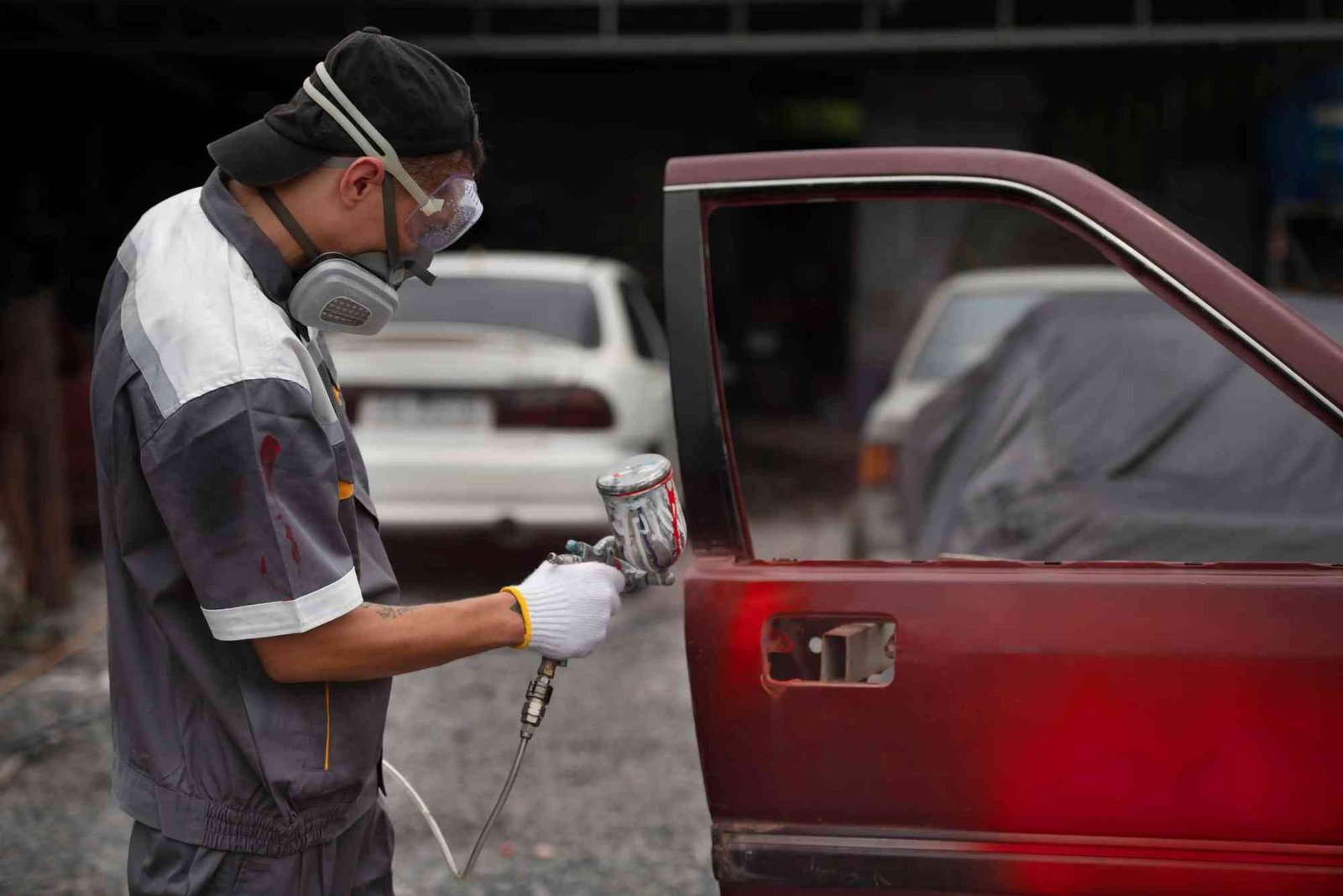
Car paint is more than a cosmetic layer; it acts as the primary protection against corrosion. One of the most effective ways to prevent corrosion on car body starts with maintaining the paint condition. Regularly inspect the paint for scratches or chips. If damage is found, apply touch-up paint or protective coatings immediately to prevent metal exposure to air and moisture.
Additional protection, such as ceramic coating or wax, strengthens the paint layer. These coatings prevent water and dirt from sticking for too long, reducing corrosion risk. Using high-quality products ensures long-lasting protection and maximum effectiveness.
Regular Washing and Cleaning
Regular washing is a simple but highly effective step in preventing corrosion on car body. Rainwater or puddles containing dirt and road salts can damage the paint if left on the surface. Frequent cleaning also removes dust, mud, and chemicals that accumulate over time.
Using car-specific soap and microfiber cloths reduces the risk of scratches during washing. It’s also essential to clean the undercarriage, wheels, and fender areas, as these are common starting points for rust due to frequent exposure to water and dirt.
Protecting the Undercarriage and Wheels
One often overlooked area is the car’s undercarriage. The chassis, fenders, and wheel arches are prone to corrosion because they frequently contact water, mud, and road salt. Anti-rust sprays or undercoating provide an effective solution for protecting these areas. Preventing corrosion on car body is incomplete without attention to these critical zones.
Additionally, regularly inspect joints and bolts. These spots are weak points that rust quickly if not protected. Preventive measures such as applying grease or anti-rust fluids can extend the car body’s lifespan significantly.
Storage and Weather Protection
Storing your car in a garage or shaded area can significantly reduce corrosion risk. Direct sunlight, rain, and dust accelerate paint degradation and rust formation. If a garage is unavailable, using a waterproof and UV-resistant car cover is an effective alternative.
It’s also essential to ensure proper ventilation in storage areas to prevent trapped humidity. Constant high moisture levels increase the chance of corrosion, particularly at metal joints and body crevices.
Professional Maintenance
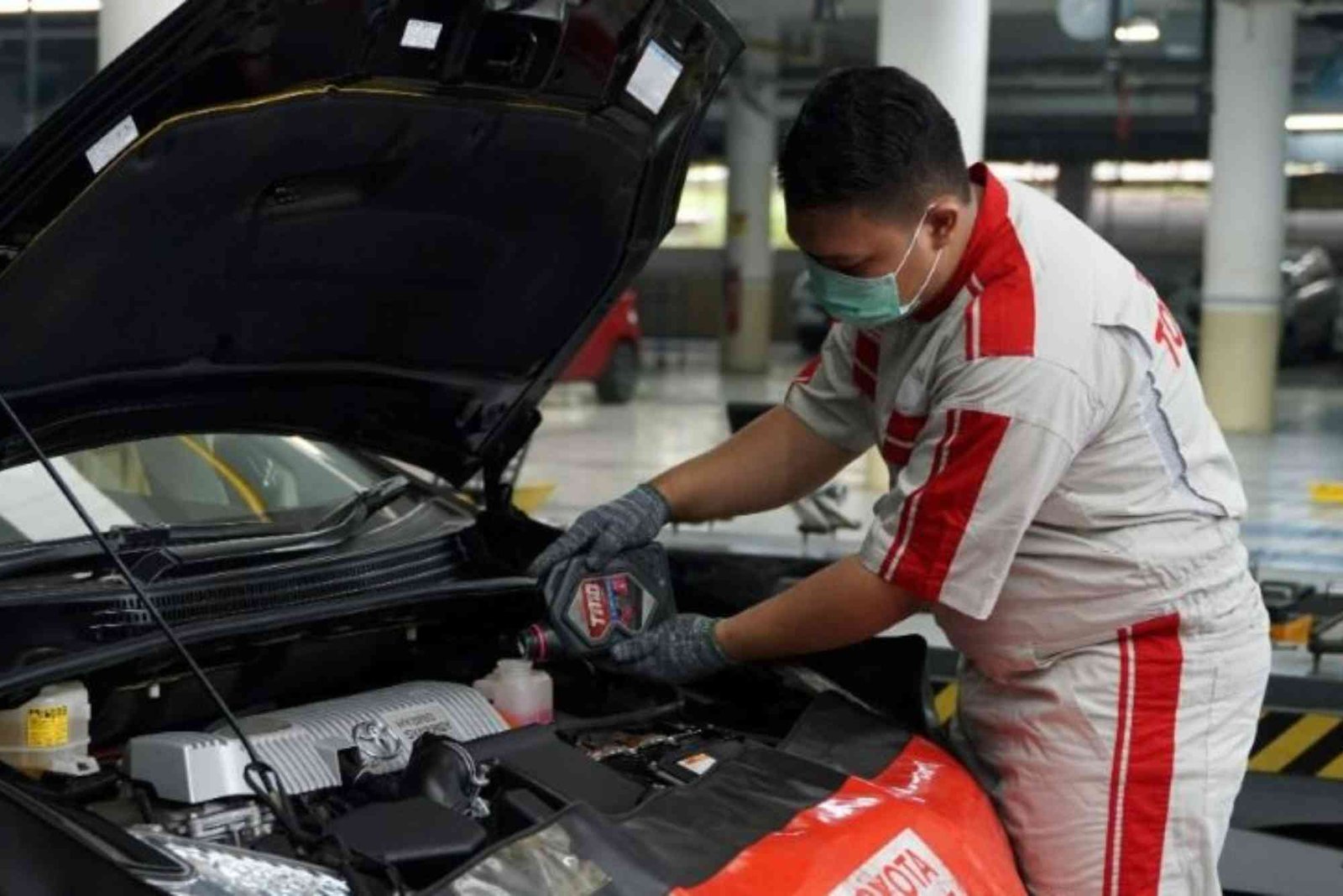
In addition to home care, consulting professional workshops is highly recommended. Professionals can perform in-depth inspections and specialized treatments such as anti-rust applications or professional coatings. This provides an additional layer of protection for preventing corrosion on car body in the long term.
Professionals can also identify early rust formation in hidden areas. Early treatment is critical because untreated rust can spread and permanently damage the car’s structure.
Common Mistakes to Avoid
Many car owners overlook minor scratches or water and salt stains, which are often the starting points for corrosion. Relying on rain to “clean the car” is a misconception. Environmental factors such as pollution and road dust can still trigger rust even when the car is wet.
Additionally, using household soaps or harsh detergents can damage the protective paint layer. Owners must understand that preventive maintenance is cheaper and more effective than repairing severe corrosion later.
Keeping a car body free from corrosion requires a combination of regular maintenance, paint protection, and attention to vulnerable areas. From proper washing and applying protective coatings to storing the car in a shaded area, all these steps are crucial for preserving the vehicle’s appearance and value. By understanding how to prevent corrosion on car body, you can enjoy a car that remains durable, safe, and visually appealing.
FAQ
How do I clean the undercarriage to prevent rust?
Clean the undercarriage with a high-pressure hose and car-specific soap. Focus on wheel wells, chassis, and fender areas. Using undercoating adds extra protection.
Is wax or ceramic coating more effective at preventing corrosion?
Both are beneficial. Wax protects paint from dirt and water, while ceramic coating provides longer-lasting protection and stronger resistance against oxidation.
How often should I wash my car to prevent corrosion?
Ideally, wash your car at least once every two weeks. In rainy or dusty conditions, increase the frequency to prevent dirt buildup that can trigger rust.
Can new cars still rust?
Yes. Even new cars with excellent paint layers can develop rust from scratches, pollution, or high humidity. Preventive care is always necessary.
Is garage storage always safe from corrosion?
Garages protect from rain and UV exposure, but poor ventilation and high humidity can still cause rust. Ensure the storage area is dry and well-ventilated.
Best Cars for Business Trips – For business trips, comfort, fuel efficiency, and advanced technology features are top priorities. Luxury sedans or premium SUVs offer spacious interiors, smooth suspension, and smart connectivity, making long journeys productive and enjoyable for professionals.