
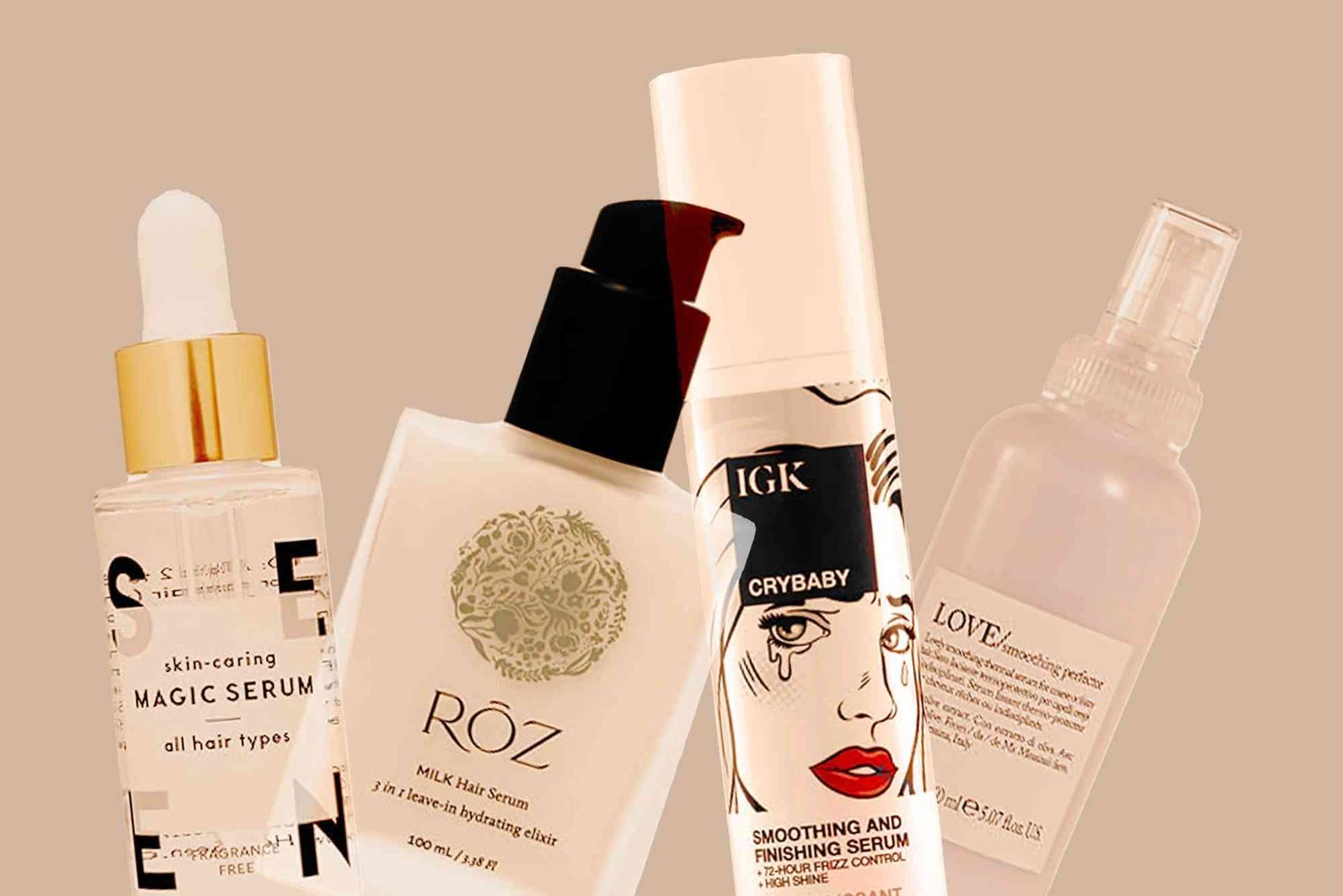
Introduction
Choosing the right hair serum can transform your hair from dull and lifeless to shiny and healthy. With countless options on the market, finding the best hair serum product for your hair type and needs can feel overwhelming. Understanding what makes a serum effective and how it interacts with your hair is essential for achieving long-lasting results. This guide explains how to choose the best hair serum product, highlighting key considerations, ingredients, and usage tips to help you make an informed decision.
Understanding Hair Serums and Their Benefits
Hair serums are lightweight, silicone-based formulas designed to coat the hair, providing shine, smoothness, and protection from damage. Unlike oils, serums do not penetrate deeply but form a protective layer that prevents frizz, reduces split ends, and enhances overall hair appearance. The best hair serum product should address your specific hair concerns, whether it is dryness, frizz, dullness, or heat damage. Using the right serum consistently can improve hair manageability and prevent further damage from environmental stressors.
Why Hair Serums Are Important
Hair serums create a barrier that shields your strands from pollution, UV rays, and heat styling. They also help lock in moisture and reduce tangles, making hair easier to style. For people with chemically treated or color-treated hair, the right serum can protect the hair cuticle and prolong the vibrancy of hair color. Additionally, serums often contain nourishing ingredients such as vitamins, plant extracts, and natural oils, which contribute to overall hair health.
Identify Your Hair Type
Selecting the best hair serum product starts with knowing your hair type. Hair texture, thickness, and condition influence which serum will work best. Fine or thin hair benefits from lightweight formulas that do not weigh it down, while thick or coarse hair may require richer, more moisturizing serums. Curly hair often needs serums that help define curls and control frizz, whereas straight hair may focus more on shine and smoothness. Understanding your hair’s specific needs ensures that the serum you choose will be both effective and safe.
Consider Hair Concerns
Different hair concerns require different formulations. For example, damaged or brittle hair benefits from serums containing keratin, proteins, or amino acids. Frizzy hair responds well to silicone-based or smoothing serums. Dull hair may need serums with shine-enhancing ingredients like argan oil or vitamin E. Scalp-sensitive hair should use lightweight, non-greasy serums that do not clog pores. Knowing your hair concerns allows you to select a serum that provides targeted benefits without causing additional problems.
Ingredients Matter
When learning how to choose the best hair serum product, ingredient quality is crucial. Look for serums with nourishing natural oils such as argan, jojoba, or coconut oil. Silicone derivatives like dimethicone or cyclopentasiloxane help create a smooth, shiny finish but can build up if overused. Serums with antioxidants, vitamins, and proteins support hair repair and growth. Avoid products with harsh sulfates, parabens, or synthetic fragrances that can irritate the scalp or damage hair over time. Reading ingredient labels carefully ensures you choose a serum that is both safe and effective.
Natural vs. Silicone-Based Serums
Natural serums often rely on oils and plant extracts to moisturize and protect hair. They are suitable for people who prefer organic or chemical-free products. Silicone-based serums are ideal for smoothing frizz and creating a polished, glossy finish. While silicone can temporarily improve hair appearance, excessive use may lead to buildup. Many high-quality hair serums combine both natural oils and silicone to provide nourishment, protection, and shine without weighing hair down.
How to Apply Hair Serum Correctly
Proper application enhances the effectiveness of any serum. Start with clean, towel-dried hair to prevent product from sitting on dirty or oily strands. Use a small amount—usually a few drops for short hair and slightly more for longer hair. Rub the serum between your palms and distribute it evenly from mid-length to ends, avoiding the scalp to prevent greasiness. Styling tools like blow dryers or straighteners can be used after applying serum for added protection and smoothness. Consistent, correct use ensures maximum results without weighing hair down or making it look oily.
Tips for Different Hair Types
For fine hair, apply serum sparingly to avoid flattening the hair. Thick or curly hair may require a little more serum to cover all strands. For color-treated hair, look for serums with UV filters to protect against sun damage. People with frizz-prone hair should focus on smoothing serums and apply them when hair is damp. Experimenting with different amounts and methods helps determine what works best for your hair type.
Selecting a Serum Based on Lifestyle
Lifestyle factors also affect how you choose a hair serum. People exposed to heat styling, sun, or pollution benefit from serums with protective ingredients. If you swim frequently, a serum that shields hair from chlorine or saltwater is ideal. Busy individuals may prefer lightweight, leave-in serums that require minimal effort while still delivering results. By considering your lifestyle, you can select a serum that integrates seamlessly into your daily routine and addresses your hair challenges effectively.
Price vs. Quality
While high-priced serums often contain premium ingredients, price alone does not guarantee effectiveness. Many affordable serums deliver excellent results if formulated with the right active ingredients. Look for products that balance cost and quality, read reviews, and check for proven results. Sometimes, lesser-known brands may provide superior performance at a lower price. Focus on ingredient quality, user feedback, and suitability for your hair type rather than just brand name or price.
Signs of a Good Hair Serum
A good hair serum absorbs quickly without leaving a greasy residue. It should smooth frizz, enhance shine, and make hair more manageable. The scent should be pleasant but not overpowering. Additionally, the formula should maintain its effectiveness over time and not cause buildup or scalp irritation. A reliable serum provides visible improvement in hair texture and overall health with regular use.
Common Mistakes to Avoid
Many people make mistakes that reduce the benefits of hair serums. Using too much product is a common error that results in greasy, heavy hair. Applying serum directly to the scalp can lead to clogged pores. Switching products too frequently prevents your hair from adjusting to a formula. Avoiding these mistakes ensures that your chosen serum works optimally, giving you smooth, shiny, and healthy-looking hair.
Avoid Overuse
Even the best hair serum product can weigh hair down if used excessively. Start with a small amount and gradually increase if needed. Focus on the ends and mid-lengths, as these areas require the most attention. Proper portioning and careful application maximize benefits without compromising hair volume or appearance.
Choosing the best hair serum product is a combination of understanding your hair type, concerns, and lifestyle, along with paying attention to ingredients and proper usage. By selecting a serum tailored to your needs, you can improve hair texture, reduce frizz, and enhance shine. Remember, consistency is key, and applying the right amount regularly ensures long-term results. Take time to evaluate products carefully, consider professional advice if necessary, and enjoy the transformation that a high-quality hair serum can provide.
Take action today by identifying your hair type, listing your main concerns, and choosing a serum that matches your hair goals. Your hair deserves the best care, and the right serum can make all the difference.
Mixing and matching outfits can be fun if you follow a few simple tips. Start by combining different textures, colors, and patterns to add depth to your look. Balance bold pieces with neutral basics to avoid overwhelming your style. Accessories like scarves, belts, or jewelry can transform a simple outfit. Don’t be afraid to experiment and layer thoughtfully—this keeps your wardrobe fresh and prevents your outfits from looking monotonous.
FAQ
What is the best way to use hair serum?
Apply a small amount to clean, towel-dried hair, focusing on mid-lengths and ends. Avoid the scalp to prevent greasiness.
Can hair serum damage hair?
Using too much serum or applying it directly to the scalp can weigh hair down or cause buildup, but used correctly, it is safe and protective.
How often should I use hair serum?
For most hair types, using serum 2–3 times a week is sufficient, though daily use is acceptable for dry or frizz-prone hair.
Is hair serum suitable for all hair types?
Yes, but formulas vary. Fine hair benefits from lightweight serums, while thick or curly hair may need richer, more nourishing products.
Can hair serum replace conditioner?
No. Hair serum complements conditioner by providing shine, frizz control, and protection, but it does not replace the moisturizing benefits of conditioner.