
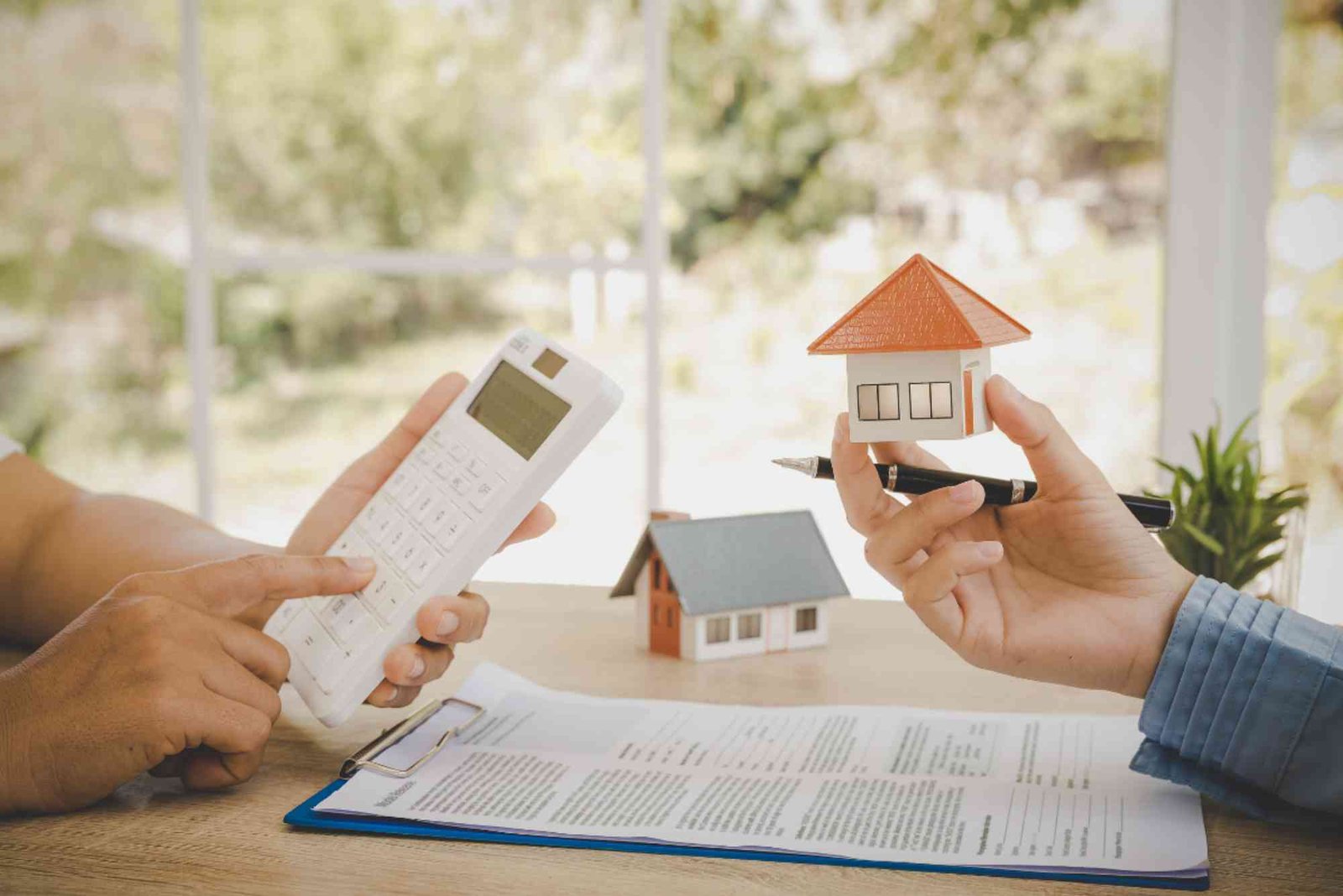
Understanding how to accurately assess property value is one of the most important skills in real estate. Whether you are buying your first home, selling an investment property, or simply tracking market trends, knowing a property’s true worth protects you from costly mistakes. Property value is not based on guesswork or emotions. It reflects data, market behavior, location factors, and the condition of the property itself.
In today’s competitive real estate market, prices can shift quickly. As a result, relying on outdated estimates or informal opinions can lead to overpaying or underselling. Learning how to accurately assess property value helps you negotiate with confidence, plan investments wisely, and make decisions backed by evidence rather than assumptions. This guide explains the key principles professionals use to assess property value accurately. It also shows how buyers and sellers can apply the same logic without advanced tools. By the end, you will understand what truly drives property value and how to evaluate it realistically.
What Property Value Really Means
Property value represents the amount a knowledgeable buyer is willing to pay and a seller is willing to accept in a fair market. It is not the same as the asking price or emotional value. Many homeowners overestimate worth due to personal attachment, while buyers may underestimate value to justify lower offers.
To accurately assess property value, you must focus on market value. Market value depends on recent sales, demand, supply, and economic conditions. It also reflects what similar properties are selling for, not what owners hope to receive. This distinction is critical for accurate valuation.
Another important factor is timing. Property value today may differ significantly from value six months ago. Interest rates, buyer confidence, and local development can all shift prices quickly. Therefore, accurate assessment always considers current market conditions.
Why Accurate Property Valuation Matters
Accurate valuation protects both buyers and sellers. Buyers avoid overpaying for a property that may not appreciate as expected. Sellers avoid pricing too high and losing serious buyers. Investors rely on accurate assessments to calculate returns, rental income, and long-term growth.
Lenders also depend on accurate property value when approving mortgages. If a property is overvalued, financing may fall through. If undervalued, sellers may face appraisal gaps that delay transactions. Learning how to accurately assess property value reduces these risks. Moreover, accurate valuation supports better financial planning. Property often represents a large portion of personal wealth. Knowing its true value helps with refinancing, insurance coverage, and estate planning.
Location as a Core Value Driver
Location is often the strongest factor in determining property value. Even a well-designed home may lose value if the surrounding area lacks amenities or safety. When you accurately assess property value, location should be your starting point.
Neighborhood quality, school districts, access to transportation, and nearby facilities strongly influence demand. Properties close to business centers, hospitals, and shopping areas often command higher prices. Future development plans can also raise value if infrastructure improvements are expected. Local market trends matter as well. Some areas experience rapid appreciation, while others remain stable or decline. Studying local sales data helps you understand whether a location supports higher property value or limits growth potential.
The Role of Comparable Sales
Comparable sales, often called comps, are recent sales of similar properties in the same area. Professionals rely heavily on comps to accurately assess property value. These sales reflect real buyer behavior rather than theoretical pricing. To use comparables effectively, properties should be similar in size, age, condition, and location. Small differences, such as renovations or extra rooms, can significantly impact value. Adjustments are made to reflect these variations.
Recent sales are more reliable than older ones. Markets change quickly, so comps older than six months may not reflect current conditions. Accurate assessment always prioritizes the most recent and relevant sales data.
Property Condition and Its Impact
The condition of a property directly affects its value. A well-maintained home attracts more buyers and higher offers. Deferred maintenance, outdated systems, or visible damage can reduce value quickly.
When you assess property value accurately, inspect structural elements, roofing, plumbing, and electrical systems. Cosmetic updates also matter. Modern kitchens, updated bathrooms, and fresh paint often increase appeal and perceived value. However, over-improving can reduce returns. Luxury upgrades may not increase value proportionally in modest neighborhoods. Accurate valuation considers whether improvements align with local market expectations.
Understanding Market Demand and Supply
Property value is strongly influenced by supply and demand. In a seller’s market, limited inventory and high demand push prices upward. In a buyer’s market, excess supply can lower prices and increase negotiation power.
Interest rates play a key role in demand. Lower rates increase affordability and buyer activity, raising property values. Higher rates can slow demand and stabilize or reduce prices. Accurate property assessment always considers the broader economic environment. Seasonal trends also affect demand. In many regions, spring and summer attract more buyers. Values may appear higher during these periods compared to slower seasons.
Professional Appraisals Explained
Professional appraisals provide an objective assessment of property value. Licensed appraisers follow standardized methods to ensure accuracy and consistency. Lenders often require appraisals before approving loans.
Appraisers analyze comparable sales, property condition, location, and market trends. Their goal is to estimate fair market value rather than maximize price. While appraisals are reliable, they still reflect market data at a specific point in time. Understanding how appraisals work helps buyers and sellers prepare. Making minor repairs, documenting upgrades, and presenting accurate information can support a more accurate valuation.
Online Valuation Tools and Their Limits
Online property value estimators offer quick insights but should not be used alone. These tools rely on algorithms and public data, which may be outdated or incomplete. While useful for initial research, they cannot replace detailed analysis.
To accurately assess property value, treat online estimates as a starting point. Combine them with local sales data, professional advice, and physical inspections. Human judgment remains essential for accurate valuation.
Income Approach for Investment Properties
For rental and commercial properties, income potential plays a major role in value. The income approach estimates value based on rental income and operating expenses. Investors rely on this method to assess profitability.
Net operating income, vacancy rates, and maintenance costs all influence value. Properties with stable tenants and strong cash flow often command higher prices. Accurate property assessment requires realistic income projections, not optimistic assumptions. Market rent comparisons help determine whether current income aligns with local conditions. Overpriced rents may reduce long-term value if vacancies increase.
Cost Approach and Replacement Value
The cost approach estimates value based on the cost to rebuild the property, minus depreciation, plus land value. This method is useful for new or unique properties where comparable sales are limited.
While not always used alone, the cost approach supports accurate assessment in certain cases. It highlights whether a property is priced above or below replacement cost, offering insight into long-term value.
How to Avoid Common Valuation Mistakes
Emotional bias is a common mistake. Personal attachment can distort perception of value. Accurate assessment requires objectivity and data-driven analysis.
Ignoring market trends is another error. Past appreciation does not guarantee future growth. Always assess current conditions rather than relying on historical performance. Relying on a single method can also lead to inaccurate results. Combining multiple approaches provides a more balanced and realistic valuation.
Learning how to accurately assess property value empowers you to make smarter real estate decisions. By understanding location, market trends, property condition, and valuation methods, you reduce risk and increase confidence. Accurate assessment is not about guessing prices but interpreting real market behavior with clarity.
Indon.id adalah platform informatif yang menyajikan beragam artikel berkualitas seputar teknologi, bisnis, dan gaya hidup digital. Melalui konten yang relevan dan mudah dipahami, indon.id membantu pembaca mendapatkan wawasan terbaru, tips praktis, serta referensi terpercaya untuk kebutuhan online sehari-hari.
FAQs
How do I accurately assess property value without an agent
You can assess property value by analyzing recent comparable sales, studying local market trends, and evaluating property condition. Combining multiple data sources improves accuracy.
What factors affect property value the most
Location, comparable sales, property condition, and market demand have the strongest impact. Economic factors and interest rates also influence value significantly.
How often does property value change
Property value can change monthly or even weekly in active markets. Economic shifts, interest rates, and local developments can quickly affect prices.
Are online property value estimates reliable
Online estimates provide rough guidance but are not fully reliable. They lack detailed inspections and local expertise, which are essential for accurate valuation.
Should I get a professional appraisal before selling
A professional appraisal can help set a realistic price and avoid overpricing. It is especially useful in uncertain or rapidly changing markets.