
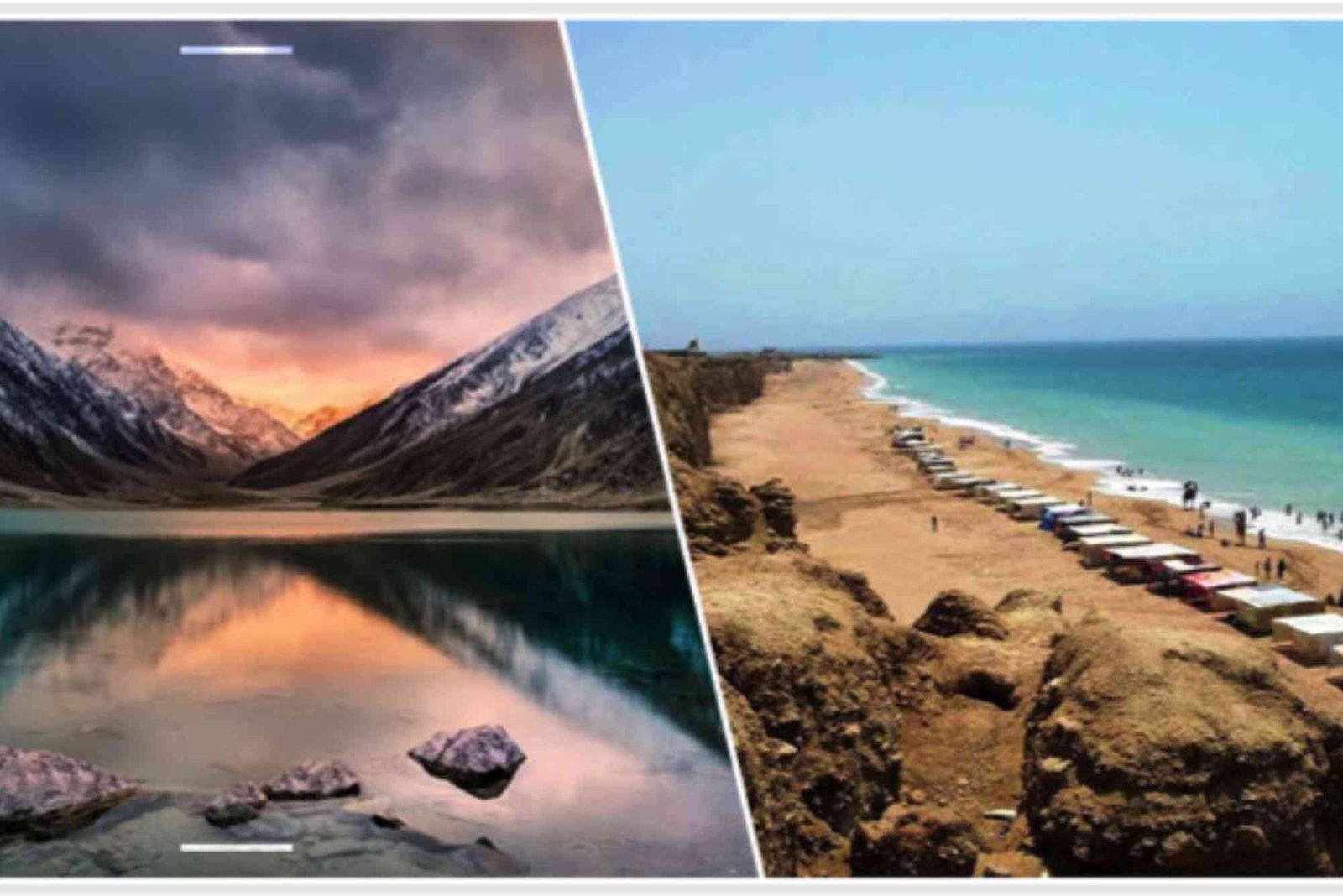
The tourism industry is a vital driver of economic growth, employment, and cultural exchange. Government policy in the tourism industry plays a crucial role in shaping how destinations develop, attract visitors, and maintain sustainability. From visa regulations to infrastructure investments, government decisions directly impact the success and competitiveness of the tourism sector. Understanding these policies is essential for industry professionals, investors, and travelers alike.
Importance of Government Policy in Tourism
Government policies provide a framework for the tourism industry to operate efficiently. They set the rules, incentives, and regulations that guide businesses, protect natural and cultural resources, and ensure traveler safety. By implementing clear policies, governments can boost tourism revenue, encourage foreign investment, and create job opportunities in hotels, transportation, and cultural services.
Supporting Economic Growth
Government support in the form of grants, subsidies, and tax incentives can stimulate tourism-related businesses. These policies help small and medium enterprises thrive and attract international investors. Tourism contributes significantly to GDP in many countries, making policy support essential for long-term economic stability.
Enhancing Infrastructure
Policies aimed at improving transportation, accommodation, and public facilities make tourist destinations more accessible and enjoyable. Governments often invest in airports, roads, and public amenities to enhance the visitor experience, which in turn encourages repeat visits and higher spending.
Promoting Sustainability
Sustainable tourism policies ensure that growth does not harm the environment or local communities. Governments may regulate natural park access, protect wildlife, and encourage eco-friendly practices in hotels and transport. These measures help balance economic benefits with environmental responsibility.
Key Government Policies in Tourism
Governments employ various strategies to regulate and promote tourism effectively. Each policy type addresses a specific aspect of the industry and collectively contributes to overall growth.
Visa and Travel Regulations
Visa policies influence tourist inflow by making travel easier or more challenging. Simplified visa procedures, e-visas, and visa-on-arrival facilities encourage international tourists. Conversely, strict visa requirements can deter potential visitors and affect tourism revenue.
Taxation and Financial Incentives
Tax breaks, subsidies, and financial incentives attract investors and support tourism businesses. Governments often reduce taxes for hotel chains, tour operators, or heritage sites to encourage growth. These policies make a destination more competitive and profitable.
Safety and Security Regulations
Traveler safety is a top priority. Governments implement regulations for disaster preparedness, health and hygiene standards, and security measures. Policies ensuring safe travel attract tourists and enhance a country’s reputation.
Promotion and Marketing Policies
Government-led tourism campaigns, participation in international travel fairs, and digital marketing strategies help showcase a country globally. By promoting unique attractions, culture, and heritage, governments increase visibility and attract a diverse range of tourists.
Environmental and Cultural Protection
Protecting natural landscapes and cultural heritage is crucial. Governments may introduce regulations to prevent over-tourism, manage waste, and maintain historical sites. These policies ensure long-term sustainability and preserve the unique identity of a destination.
Impact of Government Policy on Tourism Development
Government policies significantly influence tourism trends, business growth, and visitor satisfaction. Positive policy measures lead to thriving tourism markets, while inadequate policies may create challenges.
Boosting Tourist Arrivals
Simplified visa policies, better infrastructure, and effective promotion result in higher tourist arrivals. Countries that proactively adjust policies to meet international expectations tend to attract more visitors.
Encouraging Investment
Tourism-friendly policies attract both domestic and foreign investments. Governments that provide incentives for hotel construction, amusement parks, and travel agencies contribute to a more robust tourism ecosystem.
Supporting Job Creation
Tourism policies directly impact employment opportunities. Investments in infrastructure, hospitality, and cultural programs generate jobs for local communities, increasing income levels and reducing unemployment.
Enhancing Competitiveness
Countries with clear and supportive tourism policies stand out globally. By implementing modern strategies and maintaining safety and quality standards, governments create competitive advantages for their tourism industry.
Challenges in Implementing Tourism Policies
While government policies are essential, their implementation can face several challenges.
Bureaucratic Hurdles
Complex regulations and slow approval processes may hinder tourism projects. Streamlining procedures is necessary to encourage investment and speed up development.
Balancing Growth and Sustainability
Policies must ensure that tourism growth does not harm the environment or local communities. Striking the right balance between revenue generation and sustainable practices remains a challenge for many governments.
Adapting to Global Changes
Tourism is sensitive to global trends, including pandemics, climate change, and political instability. Governments must continuously update policies to adapt to new challenges and maintain resilience in the tourism sector.
Case Studies of Successful Government Policies
Several countries have demonstrated the positive impact of proactive tourism policies.
Singapore
Singapore’s government invested heavily in world-class infrastructure, safety, and marketing campaigns. Simplified visa processes and attractive tax incentives have made Singapore a top tourist destination in Asia.
New Zealand
New Zealand focuses on sustainable tourism policies. Its government protects natural landscapes, promotes eco-tourism, and regulates tourist flow to prevent environmental degradation.
United Arab Emirates
The UAE combines luxury tourism promotion with innovative infrastructure policies. Visa facilitation, mega events, and strong marketing strategies have made cities like Dubai globally popular tourist hubs.
Future Trends in Tourism Policy
Government policies must evolve with industry trends and traveler expectations.
Digital Transformation
Governments are increasingly adopting digital tools for visa applications, marketing, and tourist engagement. Smart tourism policies improve efficiency, safety, and visitor experience.
Focus on Sustainability
Environmental protection and sustainable practices will continue to shape tourism policies. Governments will likely expand regulations on waste management, renewable energy usage, and eco-friendly tourism initiatives.
Health and Safety Regulations
Post-pandemic, health and hygiene policies are more important than ever. Governments will continue to set safety standards to ensure traveler confidence.
Incentivizing Domestic Tourism
Policies promoting local travel can help mitigate international tourism fluctuations. Governments may offer subsidies, discounts, and awareness campaigns to encourage domestic tourism.
Government policy in the tourism industry is a powerful tool for driving economic growth, ensuring sustainability, and improving the overall travel experience. By implementing strategic, forward-thinking policies, governments can attract more tourists, create jobs, and protect cultural and natural resources. Tourism stakeholders, from investors to travelers, must understand these policies to make informed decisions and support sustainable development.
Explore local and international tourism initiatives, stay updated on policy changes, and embrace the opportunities that arise from government support. Your next travel investment or journey can benefit greatly from understanding these frameworks.
indon.id adalah platform digital informatif yang menyajikan berbagai konten terkini seputar teknologi, gaya hidup, bisnis, dan informasi populer lainnya. Dengan tampilan sederhana dan mudah diakses, indon.id menjadi sumber bacaan yang relevan bagi pengguna yang ingin mendapatkan wawasan terpercaya, ringkas, dan up-to-date dalam satu tempat.
FAQ on Government Policy in the Tourism Industry
What is the role of government policy in tourism?
Government policy sets regulations, incentives, and frameworks that guide tourism growth, investment, and sustainability.
How do visa policies affect tourism?
Simplified visa procedures increase tourist arrivals, while strict regulations may reduce international visits.
Why is sustainability important in tourism policy?
Sustainable policies protect the environment and local communities while ensuring long-term economic benefits from tourism.
How do governments promote tourism?
Through marketing campaigns, infrastructure development, tax incentives, and international participation in travel events.
Can government policies create jobs in tourism?
Yes, policies encouraging investment and tourism development generate employment in hospitality, transportation, and cultural sectors.
How do safety and security regulations impact tourism?
Effective safety policies boost traveler confidence, protect destinations, and enhance a country’s reputation as a safe tourist spot.
What trends will shape future tourism policies?
Digital transformation, sustainability initiatives, health and safety standards, and support for domestic tourism will define future policies.