
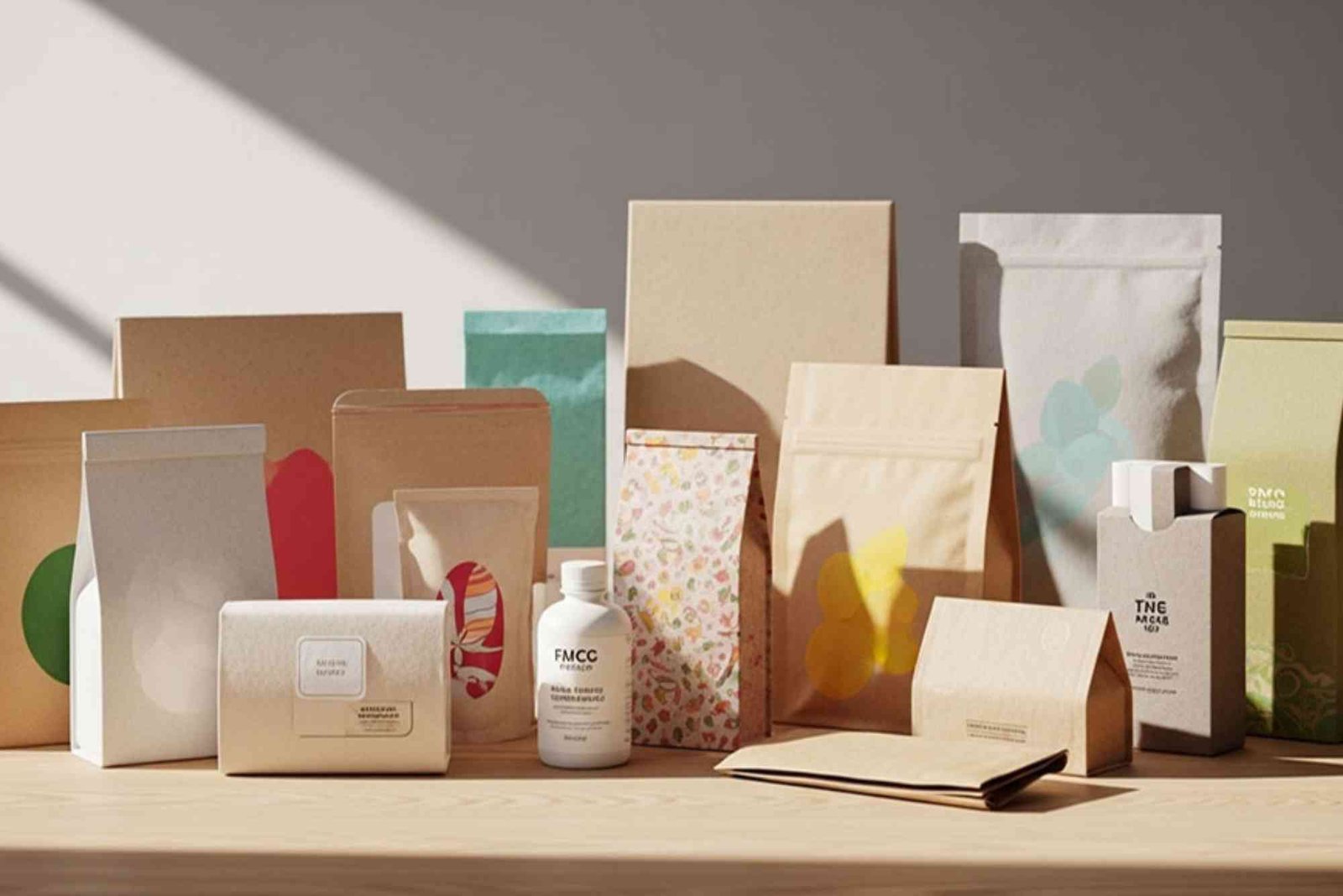
In recent years, sustainability has become a key focus for businesses and consumers alike. FMCG products with eco-friendly packaging are gaining attention as companies aim to reduce their environmental footprint. From biodegradable materials to recyclable containers, brands are innovating packaging to meet eco-conscious consumer demands. This shift not only protects the environment but also enhances brand reputation and customer loyalty.
Why Eco-Friendly Packaging Matters
Sustainable packaging goes beyond aesthetics; it is a responsibility. FMCG companies produce billions of units annually, contributing significantly to plastic waste. Eco-friendly packaging minimizes this impact, using renewable, recyclable, or biodegradable materials. Consumers are increasingly aware of environmental issues and prefer products that align with their values.
Reducing Plastic Waste
Plastic is the largest contributor to pollution in oceans and landfills. By switching to materials like paper, glass, or plant-based plastics, FMCG brands help reduce environmental damage. This not only benefits ecosystems but also positions the brand as socially responsible.
Supporting Sustainability Goals
Many governments and organizations are setting strict guidelines on packaging waste. Eco-friendly FMCG packaging helps companies comply with these regulations while contributing to global sustainability goals. Brands adopting sustainable practices often gain a competitive advantage in the market.
Types of Eco-Friendly Packaging in FMCG
FMCG products with eco-friendly packaging utilize innovative materials that balance functionality and environmental responsibility.
Biodegradable Materials
Biodegradable packaging breaks down naturally over time, reducing landfill accumulation. These materials include plant-based plastics, cornstarch composites, and cellulose-based packaging. They are especially popular for food and personal care products.

Recyclable Packaging
Recyclable packaging allows materials to be reprocessed into new products, conserving resources. Paper, cardboard, glass, and certain plastics are commonly recycled in FMCG. Companies are increasingly designing packaging for easy separation and collection.
Minimalist Packaging
Minimalist packaging focuses on using fewer materials while maintaining product protection. Simple designs reduce waste, lower costs, and appeal to eco-conscious consumers. Minimal packaging often incorporates reusable containers or refills to further reduce environmental impact.
Compostable Packaging
Compostable packaging breaks down into nutrient-rich soil under specific conditions. This is ideal for organic or food-based FMCG products. Using compostable packaging demonstrates a brand’s commitment to a circular economy.
Leading FMCG Brands Adopting Eco-Friendly Packaging
Several global and local FMCG brands are setting examples by integrating eco-friendly packaging strategies.
Personal Care Products
Shampoos, soaps, and cosmetics now feature biodegradable bottles, refill pouches, and paper-based packaging. Consumers appreciate the shift toward sustainable personal care products.
Food and Beverage Products
Beverage companies are reducing single-use plastic bottles and introducing glass, aluminum, or plant-based packaging. Snack brands are also adopting recyclable wrappers and boxes. These initiatives reduce the environmental footprint significantly.
Household Products
Cleaning products, detergents, and other household items are now available in refill packs or concentrated formulas. Brands minimize packaging waste while maintaining product efficiency.
Challenges in Eco-Friendly FMCG Packaging
Despite the advantages, transitioning to sustainable packaging presents challenges.
Cost Implications
Eco-friendly materials often cost more than conventional packaging. Small and medium FMCG companies may struggle with higher production costs while maintaining competitive pricing.
Supply Chain Adaptation
Switching to sustainable packaging requires changes in sourcing, manufacturing, and logistics. Brands must ensure that new materials meet quality and safety standards while being environmentally friendly.
Consumer Awareness
Not all consumers are familiar with eco-friendly packaging benefits. Brands need to educate customers about sustainability practices to encourage informed purchase decisions.
Future Trends in FMCG Eco-Friendly Packaging
The demand for sustainable FMCG packaging is expected to rise, driving innovation and adoption.
Smart Packaging
Smart packaging integrates technology to improve recyclability, track usage, or provide refill alerts. Combining functionality with sustainability enhances consumer convenience.
Circular Economy Models
Brands increasingly embrace circular economy principles, promoting refill systems, reusable containers, and closed-loop recycling programs. This reduces environmental impact and encourages responsible consumption.
Eco-Certifications
Eco-certifications help consumers identify sustainable FMCG products. Labels such as FSC, Green Seal, or biodegradable certifications build trust and highlight environmental commitment.
FMCG products with eco-friendly packaging represent a significant step toward sustainability. Brands that adopt biodegradable, recyclable, and compostable materials not only protect the environment but also strengthen consumer trust. By embracing innovation, reducing waste, and promoting responsible consumption, companies can drive meaningful change.
Take action today by choosing FMCG products that use sustainable packaging. Every small decision helps create a greener, cleaner future.
indon.id adalah platform digital informatif yang menyajikan berbagai konten terkini seputar teknologi, gaya hidup, bisnis, dan informasi populer lainnya. Dengan tampilan sederhana dan mudah diakses, indon.id menjadi sumber bacaan yang relevan bagi pengguna yang ingin mendapatkan wawasan terpercaya, ringkas, dan up-to-date dalam satu tempat.
FAQ
What are FMCG products with eco-friendly packaging?
FMCG products with eco-friendly packaging are fast-moving consumer goods designed with sustainable materials such as biodegradable, recyclable, or compostable packaging.
Why is eco-friendly packaging important in FMCG?
Eco-friendly packaging reduces plastic waste, supports sustainability goals, and aligns with consumer demand for responsible products.
Which materials are used for eco-friendly FMCG packaging?
Common materials include paper, cardboard, glass, aluminum, plant-based plastics, and compostable substances.
How can consumers identify sustainable FMCG products?
Look for eco-certifications, recyclable labels, compostable signs, and brands promoting refill or minimalist packaging options.
What is the future of FMCG packaging sustainability?
The future involves smart packaging, circular economy adoption, eco-certifications, and innovative biodegradable or reusable materials.