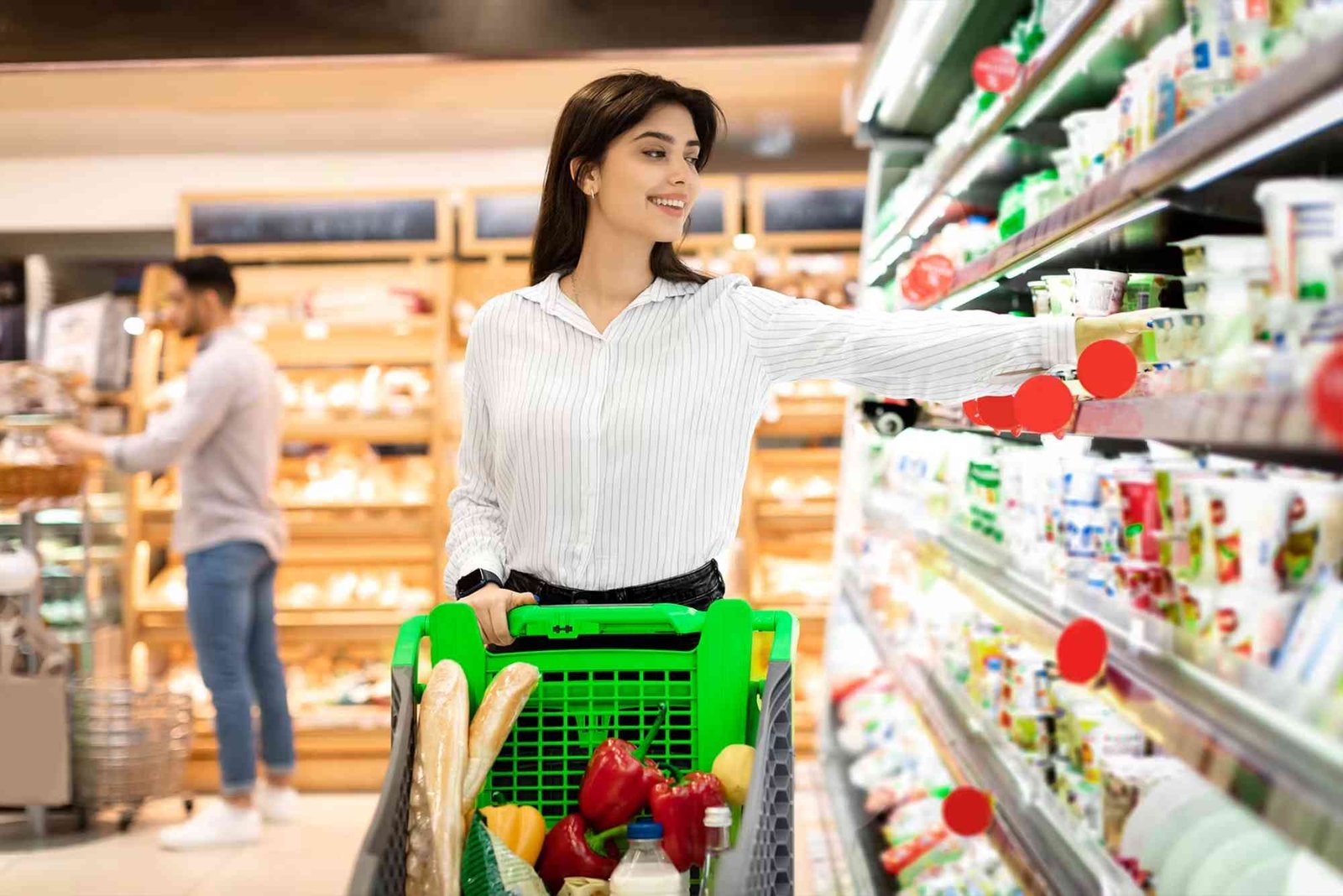
Fast-Moving Consumer Goods, or FMCG products, are an essential part of everyday life. These goods are characterized by their high turnover rate and relatively low cost. From personal care items to household essentials, FMCG products dominate consumer shopping baskets across the globe. Understanding which FMCG products are most frequently purchased can help businesses, marketers, and consumers make informed choices.
Understanding FMCG Products and Their Significance
FMCG products include items that people use daily and need to replenish regularly. These can range from packaged foods, beverages, personal care items, cleaning products, and even over-the-counter medicines. Their low cost and frequent consumption make them a staple in households.
The significance of FMCG products lies not only in their necessity but also in the impact they have on the economy. They drive retail sales, create job opportunities, and influence supply chain dynamics. For consumers, these products are about convenience, reliability, and trust. People tend to stick with brands they know, making brand loyalty a key factor in FMCG purchasing behavior.
Key Factors Influencing FMCG Purchases
Several factors determine why certain FMCG products are more frequently purchased than others. Price, convenience, brand reputation, and product availability all play crucial roles.
Price is often the primary consideration for many consumers, as FMCG products are low-cost items. Even a small price difference can influence the choice of one brand over another. Convenience is another major factor, especially in urban areas. Consumers prefer products that are easy to buy, store, and use.
Brand reputation builds trust. Established brands that consistently deliver quality are likely to be purchased more frequently. Finally, product availability ensures that consumers can buy what they need without interruption. Retailers who maintain steady stock often see higher sales of those products.

Most Frequently Purchased FMCG Categories
Packaged Food and Beverages
Packaged foods and beverages dominate FMCG purchases. These include snacks, dairy products, ready-to-eat meals, soft drinks, juices, and bottled water. Consumers often buy these items regularly due to their everyday use.
Snacks and beverages are especially popular among young consumers who prioritize convenience and quick consumption. Dairy products like milk, cheese, and yogurt are essential for households with children, contributing to their frequent purchase.
Personal Care Products
Personal care items are another top category in FMCG sales. Products such as soaps, shampoos, toothpaste, deodorants, and skincare items are purchased consistently. Personal care products are directly tied to daily hygiene, making them indispensable.
Brand loyalty is strong in this segment. Consumers often stick with products they trust, and companies invest heavily in marketing to maintain visibility. Promotions, discounts, and trial packs are common strategies used to encourage repeat purchases.
Household Cleaning Products
Cleaning products, including detergents, disinfectants, dishwashing liquids, and surface cleaners, are purchased frequently due to the constant need for hygiene. Consumer awareness about cleanliness and sanitation has grown, especially in the past few years, which has further increased demand.
Convenience and effectiveness are critical in this category. Consumers prefer products that save time, deliver results, and offer good value. Multi-purpose products that cover various cleaning needs are especially popular.
Over-the-Counter Medicines and Health Products
OTC medicines, vitamins, supplements, and other health-related FMCG products are also frequently purchased. They cater to minor health concerns, general wellness, and preventive care.
Health awareness campaigns and increased access to healthcare information have boosted consumer confidence in these products. Convenience and reliability drive their repeated purchase, as consumers seek consistent quality and quick solutions.
Baby Care Products
Products designed for infants and young children, including diapers, wipes, baby shampoo, and formula milk, are highly purchased FMCG items. Parents prioritize safety, hygiene, and comfort, which makes baby care a recurring expense in households.
High-quality standards and trusted brands dominate this category. Parents often choose products based on recommendations, online reviews, and previous experiences, ensuring continuous demand.
Why Some FMCG Products Are Purchased More Frequently
Consumer behavior in FMCG purchasing is influenced by several psychological and practical factors. First, the frequency of use plays a significant role. Products like milk, bread, and toothpaste are used daily, naturally leading to more frequent purchases.
Second, product availability and visibility in stores make a difference. Brands that are consistently stocked and prominently displayed attract more buyers. Promotions, discounts, and packaging also impact purchasing decisions. Eye-catching packaging and value packs encourage consumers to buy more or try new products.
Third, emotional connection matters. FMCG products are often associated with comfort, nostalgia, or trust. Consumers repeatedly buy products that make them feel good or satisfy a particular need efficiently. Finally, convenience is key. In today’s fast-paced world, people prioritize products that save time, are easy to use, and can be purchased online or locally without hassle. This is why smaller pack sizes, ready-to-use products, and home delivery options have gained popularity.
Impact of E-commerce on FMCG Purchases
The rise of e-commerce has significantly transformed FMCG buying habits. Online shopping platforms provide convenience, variety, and competitive pricing, making it easier for consumers to purchase FMCG products frequently.
Subscription services and auto-replenishment options allow consumers to receive essential products without having to remember to buy them. This has increased purchase frequency for staples like detergents, beverages, and personal care items. Digital platforms also enable brands to reach a broader audience, improving visibility and customer engagement.
Consumer Trends Shaping FMCG Purchases
Several trends are shaping the FMCG market today. Health consciousness is driving demand for organic, low-sugar, and chemical-free products. Eco-friendly packaging and sustainable products are gaining traction, as consumers become more environmentally aware.
Additionally, convenience continues to influence buying decisions. Ready-to-eat meals, single-serve packs, and portable personal care items cater to busy lifestyles. Digital marketing and influencer endorsements also guide consumer choices, particularly among younger shoppers. The rise of private labels and store brands offers consumers more options at lower prices. Many consumers are willing to switch to these alternatives if they meet quality and value expectations.
Challenges in FMCG Purchases
Despite the high frequency of FMCG purchases, there are challenges. Price sensitivity can lead to brand switching, and supply chain disruptions may limit availability. Counterfeit products and inconsistent quality can also affect consumer trust. Moreover, changing consumer preferences require brands to stay innovative. Companies must balance affordability with quality, sustainability, and convenience to maintain loyalty.
FMCG products form the backbone of daily consumer life. From packaged foods and beverages to personal care, household cleaning, and health items, these products are purchased frequently because they fulfill essential needs. Convenience, brand trust, affordability, and availability remain key factors driving repeated purchases.
As consumer behavior evolves, companies must adapt to changing trends such as health consciousness, eco-friendly packaging, and online shopping preferences. By understanding what drives frequent FMCG purchases, businesses can strategize effectively to meet consumer demand, while consumers can make informed, convenient, and satisfactory choices.
To stay ahead in the FMCG market, consider evaluating your shopping habits, exploring new products, and choosing brands that align with your lifestyle and values.
Boost your health and energy by including high-protein foods in your daily diet. Protein is essential for muscle growth, repair, and overall well-being. Discover a wide range of nutritious options and learn how to choose the best sources for your needs by visiting this guide on foods with high protein content.
FAQs
Which FMCG products are purchased most frequently by consumers?
Packaged foods, beverages, personal care items, household cleaning products, and baby care items are most frequently purchased.
Why are FMCG products bought so often?
FMCG products are used daily, are low-cost, and require regular replenishment, driving frequent purchases.
How has online shopping affected FMCG purchases?
E-commerce has increased convenience, variety, and accessibility, making FMCG purchases more frequent and easier to manage.
What factors influence FMCG purchasing decisions?
Price, brand reputation, product availability, convenience, and emotional connection are key factors.
Are eco-friendly FMCG products gaining popularity?
Yes, consumer awareness about sustainability has increased demand for eco-friendly packaging and organic products.
How can businesses improve FMCG sales?
By ensuring availability, maintaining quality, offering promotions, leveraging digital marketing, and adapting to consumer trends, businesses can boost sales.