
Introduction
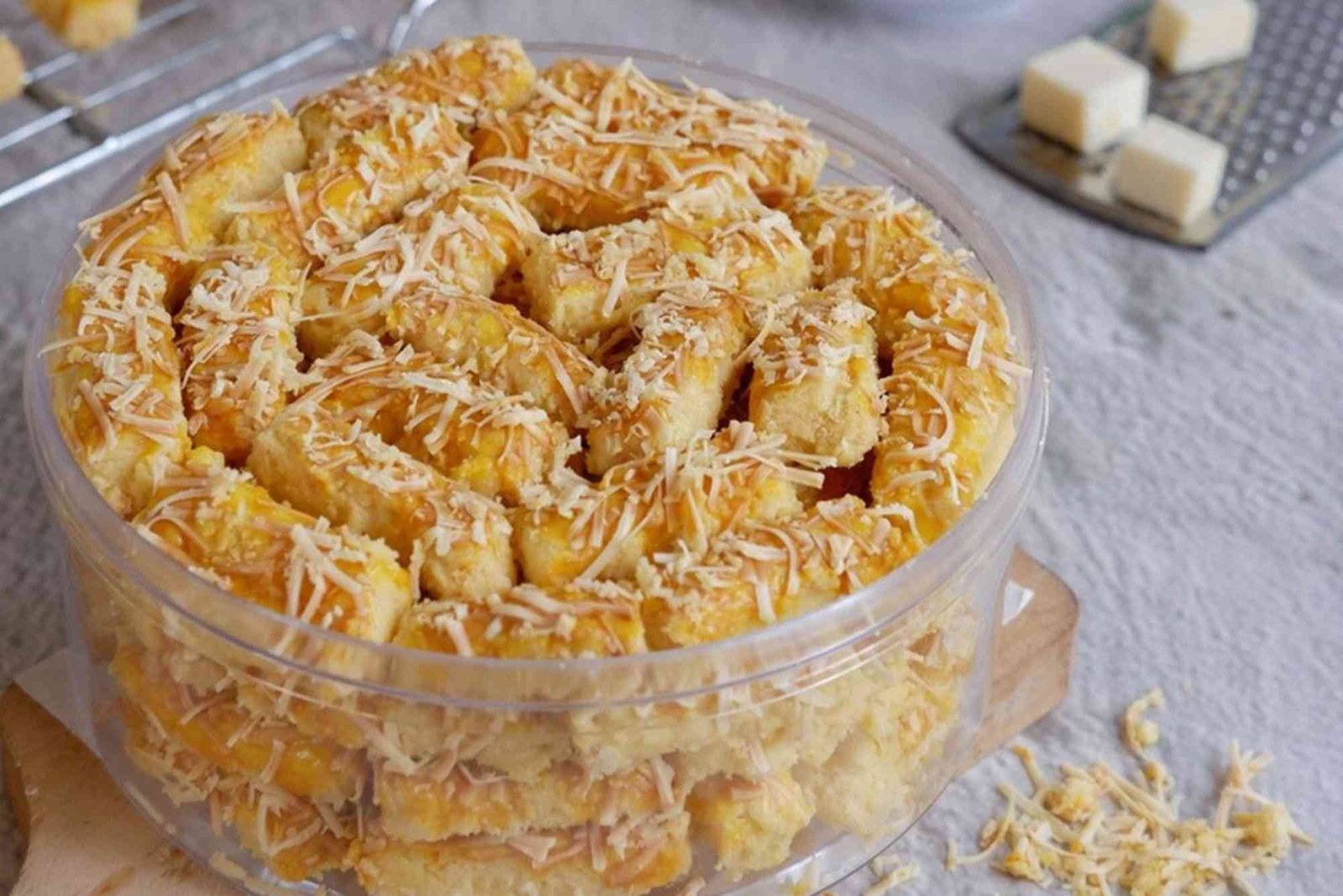
Indonesia is a nation rich in culture, and this diversity extends to its food, especially snacks. Whether enjoyed during family gatherings, as an afternoon treat, or a quick bite on the go, snacks hold a special place in the hearts of Indonesian families. From traditional kue to modern packaged delights, the variety of flavors, textures, and aromas reflects the country’s culinary heritage. In this article, we explore the favorite snacks of Indonesian families, highlighting both classic and contemporary choices.
Traditional Indonesian Snacks
Indonesian traditional snacks, known locally as kue, are deeply rooted in culture and are often associated with festivals, rituals, or everyday family life.
Kue Lapis
Kue Lapis is a colorful layered cake made from rice flour, coconut milk, and sugar. Its vibrant layers and chewy texture make it a visual and culinary delight. Families often serve kue lapis during celebrations or as a tea-time treat.
Klepon
Klepon are sweet rice cake balls filled with palm sugar and coated in grated coconut. Their soft, chewy texture combined with the burst of sweet liquid palm sugar makes them irresistible. They are often enjoyed by children and adults alike.
Onde-Onde
Onde-onde are sesame-covered glutinous rice balls filled with sweet mung bean paste. They are crunchy on the outside and soft on the inside, making them a perfect snack for any time of the day.
Pisang Goreng
Pisang goreng, or fried bananas, is a simple yet beloved snack. Bananas are coated in batter and deep-fried to golden perfection. This snack is commonly found in street food stalls and enjoyed with tea or coffee at home.

Modern and Packaged Snacks
In recent years, modern packaged snacks have gained popularity among Indonesian families, offering convenience without compromising on flavor.
Keripik (Chips)
Various types of keripik, such as keripik singkong (cassava chips) and keripik pisang (banana chips), are widely loved. Crispy and flavorful, they are a staple in family pantries and a favorite during movie nights.
Roti dan Pastry
Packaged bread and pastries, often filled with chocolate, cheese, or jam, are popular for breakfast or as a snack on the go. Indonesian brands offer a variety of sweet and savory options that cater to all age groups.
Biscuit Snacks
Biscuit snacks, like wafer sticks, chocolate-coated biscuits, and sandwich cookies, are convenient and loved by children. They are often packed in lunchboxes or enjoyed as afternoon treats with tea or milk.
Instant Snacks
Instant noodles, snack noodles, and pre-packaged fried foods have also become household favorites. These snacks are not only quick to prepare but also satisfy cravings, especially among teenagers and busy parents.
Regional Favorites
Indonesia’s archipelago contributes to a wide variety of regional snacks, each reflecting local ingredients and culinary traditions.
Balinese Pisang Rai
Pisang Rai is a Balinese snack made from bananas coated with rice flour and steamed. It is often served with grated coconut and sugar, offering a unique texture and flavor distinct from regular fried bananas.
Javanese Jenang
Jenang is a traditional Javanese sweet pudding made from glutinous rice, coconut milk, and palm sugar. It is commonly served during ceremonies and festive occasions, embodying both taste and cultural significance.
Padang Roti Paratha
In West Sumatra, families enjoy roti paratha, often served with curry or spicy sambal. This flaky bread snack reflects the influence of Indian cuisine in Indonesian culinary culture.
Manado Kue Pancong
Kue Pancong is a coconut rice cake from North Sulawesi. It is crispy on the outside and soft inside, often eaten with grated coconut or palm sugar, making it a regional favorite for breakfast or tea time.
Why Indonesian Families Love Snacks
Snacks play more than just a culinary role in Indonesian households. They are intertwined with social and cultural life.
Shared Experiences
Sharing snacks is a way for families to bond. Whether at home or during celebrations, snacks bring people together, fostering joy and togetherness.
Convenience
Many modern and packaged snacks cater to busy lifestyles. Indonesian families appreciate the convenience of grabbing a quick snack without sacrificing taste.
Cultural Connection
Traditional snacks preserve culinary heritage. Eating kue lapis, klepon, or jenang is more than enjoying a treat; it’s a connection to history, tradition, and family values.
How to Choose the Best Snacks for Your Family
Selecting snacks depends on taste preferences, health considerations, and the occasion.
Balance Taste and Health
While sweet and fried snacks are tempting, many families opt for a mix of healthier options, such as fruit-based snacks, baked kue, or low-sugar alternatives.
Consider Age Groups
Snacks for children might focus on flavor and fun shapes, while adults may prefer more sophisticated tastes, like traditional kue or spicy keripik.
Occasion Matters
Some snacks are ideal for celebrations, like kue lapis and jenang, while others, such as biscuits or chips, are perfect for daily snacking or casual gatherings.
The favorite snacks of Indonesian families are a beautiful blend of tradition, innovation, and cultural expression. From the chewy delight of klepon to the convenience of packaged chips, these snacks are integral to daily life and special occasions alike. Families across Indonesia cherish these treats not only for their flavors but also for the memories and bonding they create.
FAQs
What are the most popular traditional Indonesian snacks?
Popular traditional snacks include kue lapis, klepon, onde-onde, and pisang goreng.
Are there healthy snack options in Indonesia?
Yes, options like steamed kue, fruit-based snacks, and baked snacks are healthier alternatives.
Can Indonesian snacks be stored for long periods?
Many modern packaged snacks like biscuits and chips have a longer shelf life, while traditional snacks are best enjoyed fresh.
Where can I buy authentic Indonesian snacks?
Local markets, specialty stores, and online marketplaces offer a variety of authentic Indonesian snacks.
Do Indonesian families prefer sweet or savory snacks?
Indonesian families enjoy both, with sweet snacks like kue and klepon and savory snacks like keripik and fried foods equally loved.
Indonesian Traditional Food That Has Gone Global: Indonesian cuisine has captured the world’s taste buds with dishes like rendang, nasi goreng, and satay. These flavorful meals, rich in spices and cultural heritage, are now served in restaurants globally. Their unique tastes and aromatic spices make Indonesian food a favorite beyond its borders, celebrating the nation’s culinary identity worldwide.