
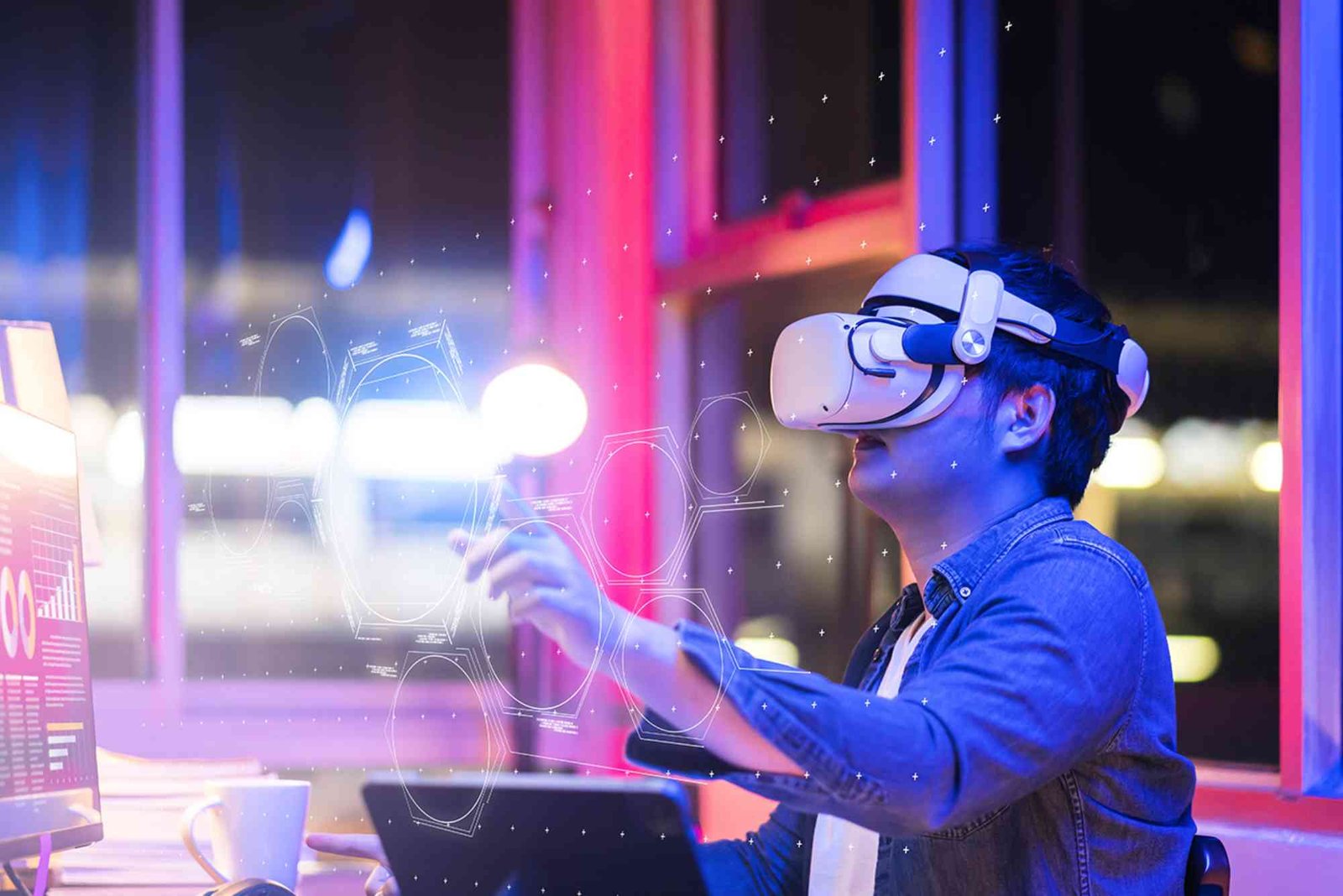
The world of gaming is evolving faster than ever, and cloud gaming technology stands at the forefront of this transformation. Unlike traditional gaming, which relies on powerful consoles or PCs, cloud gaming allows users to play high-quality games directly from the internet, without the need for expensive hardware. This revolutionary approach is reshaping the way players access, experience, and enjoy games, offering a seamless blend of convenience, performance, and accessibility.
What is Cloud Gaming Technology?
Cloud gaming technology, also known as game streaming, enables games to run on remote servers hosted in data centers. These servers process the game and stream it to users’ devices in real-time, similar to how video streaming services like Netflix work. This means players can enjoy high-resolution games on low-end devices, such as smartphones, tablets, or laptops, without worrying about hardware limitations. The game logic, graphics rendering, and updates occur on the server side, while users interact with the game through their devices. This approach not only reduces the cost of gaming but also eliminates the need for constant hardware upgrades.
Cloud gaming also leverages advancements in network infrastructure, particularly high-speed broadband and 5G technology, to reduce latency and ensure smooth gameplay. Low latency is crucial in gaming because even a slight delay can affect performance, especially in competitive or fast-paced games. As network technologies improve, cloud gaming experiences are becoming increasingly responsive and reliable, drawing more players to this innovative platform.
Advantages of Cloud Gaming
Cloud gaming offers several benefits that make it an attractive option for gamers and developers alike. One of the primary advantages is accessibility. Players no longer need high-end consoles or powerful PCs to enjoy the latest games. Instead, they can access game libraries instantly from any device with an internet connection. This opens gaming to a wider audience, including casual players who may not invest in expensive hardware.
Another significant advantage is convenience. Traditional gaming often requires downloads, installations, and frequent updates. Cloud gaming eliminates these obstacles by streaming the game directly from the server, allowing players to jump into gameplay almost instantly. This seamless experience enhances user satisfaction and reduces the friction typically associated with gaming.
Cloud gaming also promotes cost efficiency. For players, it removes the need to purchase expensive gaming rigs. For developers and publishers, it offers a platform to distribute games without worrying about compatibility issues across different devices. Additionally, cloud gaming supports cross-platform play, enabling players to compete or collaborate across various devices and operating systems, further expanding the gaming community.
Challenges Facing Cloud Gaming
Despite its promise, cloud gaming technology faces several challenges. Network dependency is the most critical concern. High-speed and stable internet connections are essential for a smooth experience. Regions with limited internet infrastructure may struggle to adopt cloud gaming effectively, restricting its global reach.
Latency and input lag remain technical hurdles. Even minor delays can disrupt gameplay, particularly in action-oriented or multiplayer games. Developers must optimize game engines and streaming protocols to minimize these delays, but achieving zero latency remains a challenge.
Another challenge is content ownership and licensing. Since games are hosted on cloud servers, players may not have permanent access to purchased titles if a service discontinues. This raises questions about digital rights and the long-term sustainability of cloud gaming platforms. Security and data privacy are also concerns, as sensitive user data and payment information are transmitted over networks and stored on remote servers.
The Role of AI and Machine Learning in Cloud Gaming
Artificial intelligence (AI) and machine learning are playing a pivotal role in the evolution of cloud gaming. AI enhances game performance by optimizing server load balancing, predicting player behavior, and adjusting graphics dynamically based on network conditions. Machine learning algorithms can analyze vast amounts of gameplay data to improve game design, detect cheating, and personalize experiences for individual players.
AI-driven cloud gaming also enables advanced features like real-time translation, adaptive difficulty, and predictive input adjustments, further enhancing the gaming experience. These technologies work behind the scenes to make cloud gaming more intuitive, responsive, and enjoyable for players around the world.
Future Trends in Cloud Gaming
The future of cloud gaming is both exciting and promising. One trend is the integration of 5G and edge computing, which will dramatically reduce latency and allow for smoother gameplay on mobile devices. Edge computing brings servers closer to users, reducing the distance data must travel and improving responsiveness. This development could make cloud gaming viable even in regions with less robust infrastructure.
Another emerging trend is the expansion of subscription-based gaming services. Similar to streaming platforms like Netflix or Spotify, these services offer access to extensive game libraries for a monthly fee. This model provides affordability and convenience, allowing players to explore a wide variety of games without purchasing them individually.
Virtual reality (VR) and augmented reality (AR) are also poised to benefit from cloud gaming. By offloading processing to powerful servers, VR and AR experiences can become more immersive and accessible without requiring expensive headsets or consoles. Cloud gaming could be the key to mainstream adoption of these next-generation gaming technologies.
Cross-platform integration will continue to be a defining trend. Players will expect seamless gameplay across multiple devices, including smartphones, tablets, PCs, and smart TVs. Cloud gaming platforms will focus on unifying these experiences, ensuring that players can start a game on one device and continue on another without losing progress or performance quality.
Impact on the Gaming Industry
Cloud gaming is transforming the gaming industry in multiple ways. Developers can reach a broader audience by removing hardware barriers, while publishers can reduce distribution costs and streamline updates. Game studios are increasingly designing titles specifically optimized for cloud platforms, focusing on scalability and network performance rather than local hardware requirements.
This shift also influences the competitive gaming scene. Cloud gaming facilitates esports by providing uniform access to games across regions and devices. Players can compete on equal footing, and organizers can host tournaments without worrying about hardware disparities. Additionally, cloud gaming may democratize game development, allowing smaller studios to produce high-quality games without needing extensive computing resources.
Cloud Gaming and Sustainability
An often-overlooked benefit of cloud gaming is its potential contribution to sustainability. Traditional gaming rigs consume significant energy during manufacturing and operation. Cloud gaming reduces the reliance on personal hardware by centralizing processing power in optimized data centers. These centers can utilize energy-efficient technologies, renewable energy sources, and server virtualization to minimize their environmental footprint.
By decreasing the need for constant hardware upgrades and reducing electronic waste, cloud gaming aligns with global efforts to promote greener technology solutions. This aspect is becoming increasingly important as consumers and companies prioritize sustainability in their choices.
Conclusion: The Future is Cloud-Based
Cloud gaming technology is revolutionizing the gaming landscape, making high-quality games accessible to everyone, anywhere, and on any device. With ongoing advancements in AI, 5G, edge computing, and VR/AR, the future promises even more immersive, responsive, and inclusive gaming experiences. While challenges like latency, network dependency, and digital rights remain, the benefits far outweigh the obstacles, paving the way for a truly connected and sustainable gaming ecosystem. Gamers, developers, and investors must pay attention to this transformative trend.
The future of gaming is cloud-based, and embracing this technology today could redefine entertainment for generations. Explore cloud gaming services, try new titles, and join the revolution to experience the next era of gaming.
Protecting your computer from malware is crucial in today’s digital world. Learn effective strategies to detect, prevent, and remove malicious software with step-by-step guidance. Stay safe online and secure your data by following these practical tips on how to overcome malware attacks on a computer.
FAQs
What devices support cloud gaming?
Cloud gaming works on smartphones, tablets, laptops, desktops, and smart TVs with internet access. High-end hardware is not required.
Is cloud gaming better than traditional gaming?
It depends. Cloud gaming offers convenience, accessibility, and cross-device play, while traditional gaming may still deliver lower latency and offline reliability.
Do I need a fast internet connection for cloud gaming?
Yes, a stable high-speed connection is essential. Most platforms recommend at least 15–25 Mbps for smooth gameplay.
Can cloud gaming replace consoles and PCs?
Cloud gaming may not completely replace them, but it reduces reliance on expensive hardware and broadens access to gaming for casual users.
What are the main cloud gaming platforms?
Some leading platforms include NVIDIA GeForce Now, Xbox Cloud Gaming, Google Stadia, and PlayStation Now. Each offers unique libraries and subscription models.
Is cloud gaming safe for personal data?
Reputable platforms use encryption and secure servers, but users should remain cautious about sharing personal information and always use trusted services.