Introduction
Traditional Asian music is a vibrant tapestry of sounds, instruments, and cultural stories that have been passed down for generations. From the haunting melodies of Chinese guzheng to the rhythmic patterns of Indian tabla, each region in Asia offers unique musical experiences that captivate the senses. In this article, we explore the diversity of traditional Asian music, its historical significance, and why it continues to fascinate listeners worldwide.
The Diversity of Traditional Asian Music
Asia is a vast continent with rich musical traditions that vary widely by country, region, and even community. Understanding this diversity helps us appreciate how music has shaped cultural identities across the continent.
East Asian Music
Chinese Traditional Music
Chinese music is one of the oldest musical traditions in the world. It features instruments like the guzheng, pipa, and erhu, each producing distinct sounds that evoke nature, emotions, and stories. Traditional Chinese music often emphasizes pentatonic scales and subtle tonal shifts.
Japanese Traditional Music
Japan’s music is deeply rooted in rituals, theater, and seasonal celebrations. Instruments like the koto, shakuhachi, and taiko drums are central to performances. Genres such as Gagaku (court music) and Shamisen folk music highlight Japan’s blend of elegance and raw energy.
Korean Traditional Music
Korean music, or Gugak, blends court music, folk songs, and ritualistic performances. Instruments like the gayageum, janggu, and haegeum are staples. The emotional depth of Korean music often reflects Confucian and shamanistic cultural influences.
South Asian Music
Indian Classical Music
India’s music heritage is divided into Hindustani (North) and Carnatic (South) traditions. Indian classical music emphasizes raga (melodic frameworks) and tala (rhythmic cycles). Instruments such as the sitar, tabla, veena, and mridangam create intricate, mesmerizing compositions.
Sri Lankan and Nepali Music
Traditional music in Sri Lanka and Nepal is closely tied to religious ceremonies and folklore. Drums, flutes, and string instruments are commonly used, often accompanying dance and storytelling.
Southeast Asian Music
Thai Traditional Music
Thai music blends ceremonial, classical, and folk elements. Instruments like ranat ek (xylophone), khong wong (gong circle), and pi (reed instrument) create vibrant, layered textures.
Indonesian Gamelan
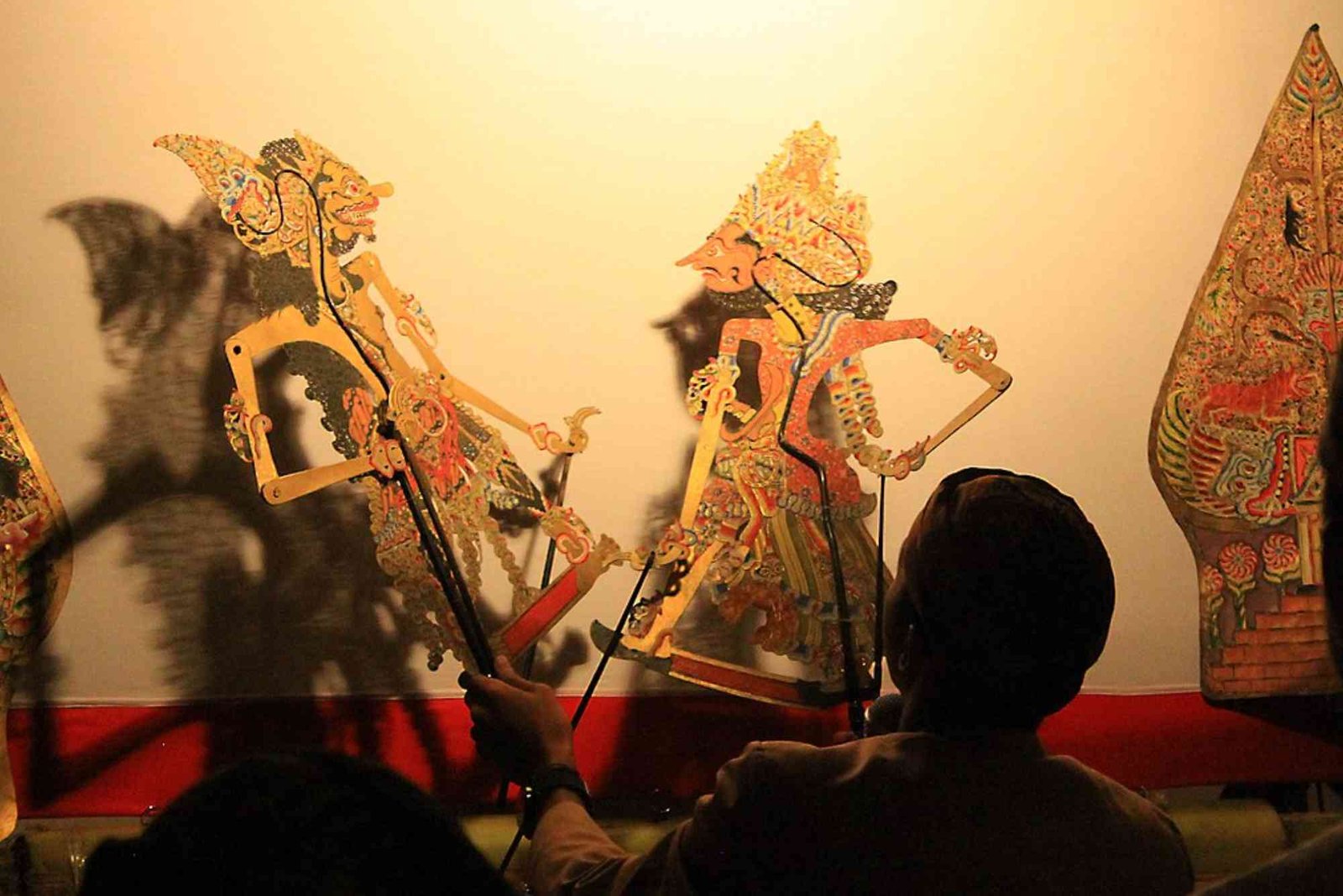
Indonesia’s gamelan ensemble, originating in Java and Bali, is renowned for its metallic percussion instruments. The ensemble produces hypnotic, interlocking rhythms that accompany dances, rituals, and theatrical performances.
Vietnamese Traditional Music
Vietnamese traditional music includes court music, folk songs, and opera (cai luong). Instruments like the dan bau, dan tranh, and dan nhi are central, often reflecting rural life and natural beauty.
Central and Western Asian Music
Persian Classical Music
Persian music emphasizes poetic lyrics and modal structures called dastgah. Instruments such as the tar, setar, and santur contribute to its intricate melodies and emotional depth.
Turkish Traditional Music
Turkish music blends Central Asian, Middle Eastern, and Balkan influences. The ney, oud, and kanun are key instruments, often accompanying folk songs and Sufi ceremonies.
Key Instruments in Traditional Asian Music
Asian music is often defined by its unique instruments, each carrying cultural and historical significance.
String Instruments
- Guzheng (China): Plucked zither producing melodious, flowing tunes.
- Sitar (India): Complex instrument used in classical compositions.
- Koto (Japan): Elegant stringed instrument with a soft, resonant tone.
Percussion Instruments
- Tabla (India): Rhythmic drum providing intricate patterns.
- Taiko (Japan): Powerful drum used in festivals and rituals.
- Gamelan Metallophones (Indonesia): Ensemble creating rich textures.
Wind Instruments
- Shakuhachi (Japan): Bamboo flute producing meditative sounds.
- Ney (Turkey): End-blown flute used in spiritual music.
- Dizi (China): Transverse bamboo flute with bright tones.
Cultural Significance of Traditional Music
Traditional Asian music is more than entertainment; it embodies spirituality, storytelling, and community identity.
Rituals and Ceremonies
Music plays a crucial role in religious and spiritual rituals, from Buddhist chanting in Tibet to Hindu temple music in India. The melodies often aim to elevate the soul and connect humans with the divine.
Folk Traditions and Storytelling
Many Asian cultures use music to preserve history and folklore. Songs recount myths, heroic tales, and moral lessons, ensuring that cultural wisdom is passed through generations.
Influence on Modern Music
Traditional Asian music continues to inspire contemporary artists globally. Fusion genres blend classical instruments with jazz, electronic, and pop, creating fresh, cross-cultural sounds.
How to Experience Traditional Asian Music
Live Performances
Attending cultural festivals or local performances offers the most authentic experience. Observing the instruments, costumes, and audience interaction provides insight into the music’s societal role.
Online Resources
Platforms like YouTube, Spotify, and specialized music websites host recordings of traditional performances, making it easier to explore global traditions from home.
Music Classes and Workshops
Learning to play traditional instruments or joining workshops helps deepen appreciation. Many cultural centers worldwide offer beginner-friendly classes.
Traditional Asian music is a living art form that continues to captivate audiences with its richness, emotion, and cultural depth. Exploring these sounds not only entertains but also bridges cultural understanding, fostering global appreciation.
FAQs
What is the oldest form of traditional Asian music?
Chinese traditional music is considered among the oldest, with documented history spanning over 3,000 years.
What are the main instruments in Indian classical music?
Key instruments include the sitar, tabla, veena, and mridangam, each contributing to the complex raga and tala systems.
How does Gamelan music differ from other Southeast Asian music?
Gamelan emphasizes interlocking percussion patterns and metallophones, creating hypnotic rhythmic textures unique to Java and Bali.
Can traditional Asian music influence modern music?
Yes, many modern artists integrate traditional instruments and scales into genres like jazz, electronic, and pop for a fusion of old and new.
Where can I listen to authentic traditional Asian music?
Authentic experiences can be found at cultural festivals, online streaming platforms, or music workshops offered by cultural centers worldwide.
The Importance of Preserving Traditional Art: Traditional art reflects a community’s history, culture, and identity. Preserving it ensures that future generations can connect with their roots, learn unique skills, and appreciate creativity passed down through time. Protecting these art forms keeps heritage alive and inspires innovation today.