
Introduction
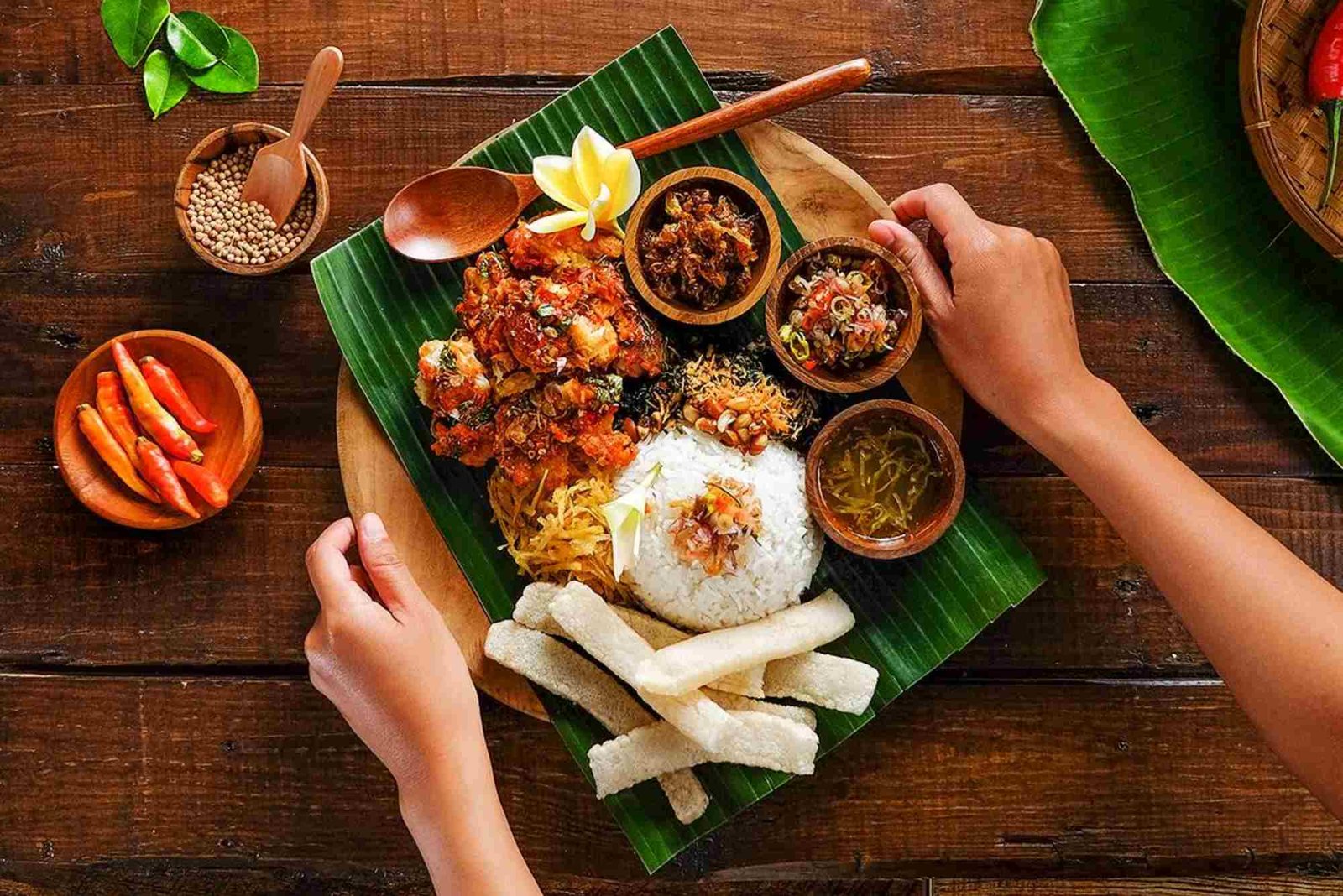
Indonesian cuisine is a vibrant tapestry of flavors, colors, and aromas rooted in centuries of history, culture, and trade. Over the past few decades, Indonesian traditional food that has gone global has captured the hearts and palates of people around the world. From spicy street food to comforting classics, Indonesian dishes now grace menus in major cities from New York to Tokyo, earning international recognition and loyal fans. In this article, we’ll take a deep dive into the most celebrated Indonesian foods that have transcended borders, exploring what makes them unique, how they spread globally, and why food lovers everywhere are embracing these culinary treasures.
Why Indonesian Cuisine Has Global Appeal
Indonesian food is more than just fuel — it’s a sensory experience shaped by diverse regional influences and rich cultural heritage.
A Fusion of Flavors
Indonesia’s strategic position as a trading crossroads brought spices like nutmeg, cloves, and ginger from Asia, Africa, and the Middle East centuries ago. These spices form the heart of Indonesian cuisine, giving it bold, aromatic, and unforgettable tastes.
Balance of Tastes
Traditional Indonesian dishes often strike a balance between sweet, salty, spicy, and tangy elements. This harmony appeals widely to global palates that crave depth and complexity in each bite.
Street Food Culture
Indonesia’s bustling street food scene is an edible tapestry. Affordable, quick, and packed with flavor, these snacks and meals travel easily — both physically and culturally — drawing curious food adventurers worldwide.
Iconic Indonesian Traditional Food That Has Gone Global
Below are the most beloved Indonesian foods that have found international fame.

Nasi Goreng — Indonesia’s National Dish
What Makes It Special
Nasi Goreng translates to “fried rice,” but its flavor profile is anything but ordinary. Stir‑fried with kecap manis (sweet soy sauce), garlic, shallots, chili, and often a fried egg on top, this dish is both comforting and exciting.
Global Influence
From Asian fusion restaurants to food trucks across Europe and North America, Nasi Goreng’s customizable nature makes it a favorite. Chefs adapt it with local ingredients, but the soul of Indonesian spices remains.
Pro Tip for Enjoyment
Pair Nasi Goreng with krupuk (crispy crackers) for added texture and a squeeze of lime for brightness.
Satay — Skewers with International Fame
Origins and Flavor
Satay, or sate, consists of marinated meat skewered and grilled over charcoal, served with a rich peanut sauce. Whether it’s chicken (sate ayam), beef (sate sapi), or lamb (sate kambing), the smoky char and savory sauce are irresistible.
Spread Around the World
Satay has become a staple in Southeast Asian restaurants globally. In countries like Singapore, Malaysia, and the Netherlands, Indonesians brought the satay tradition with them, helping it become part of diverse food scenes.
Pairing Suggestions
It goes perfectly with lontong (compressed rice cake) or simple steamed rice — ideal for sharing.
Gado‑Gado — A Salad with Heart
What It Is
Gado‑Gado is more than a salad — it’s a celebration of vegetables, tofu, tempeh, boiled eggs, and crackers all dressed in a luscious peanut sauce. The textures and flavors are balanced yet bold.
Why It’s Going Global
Health‑conscious diners around the world are embracing Gado‑Gado because it’s fresh, nutrient‑rich, and satisfying without being heavy. Vegan and vegetarian communities especially appreciate the dish’s versatility.
Rendang — Rich and Aromatic Beef
Culinary Depth
Rendang is slow‑cooked beef stewed in coconut milk and a fragrant mix of lemongrass, galangal, turmeric, and chilies. The result is tender meat infused with deep umami and spice.
International Presence
Once voted among the world’s most delicious foods by international food critics, Rendang appears in Indonesian restaurants from Sydney to London. Its rich flavor stands out in global culinary competitions.
Serving Tips
Traditionally served during celebrations, Rendang pairs beautifully with plain rice or steamed vegetables.
Bakso — Indonesia’s Beloved Meatball Soup
Comfort in a Bowl
Bakso features seasoned meatballs served in a savory broth with noodles, tofu, greens, and sambal (chili paste). It’s a beloved comfort food in Indonesia.
Abroad and Adapted
Bakso stands have sprung up in cities with large Indonesian communities, and its approachable taste has made it a hit among soup lovers globally.
Customize Your Bowl
Add fried shallots, lime juice, or extra chili to amp up flavor.
Tempeh — Fermented Goodness Go Global
Traditional Roots
Tempeh originated in Java as a protein‑rich food made from fermented soybeans. Its firm texture and nutty taste make it ideal for grilling, frying, or adding to stews.
Global Vegan Favorite
Vegetarians and vegans worldwide have embraced tempeh as a sustainable, plant‑based protein. It appears in fusion tacos, sandwiches, and bowls outside Indonesia.
How to Cook It
Marinate with spices and pan‑fry until crisp at the edges — perfect in wraps or salads.
Soto — Comforting Soup with Regional Variations
Diverse and Delicious
“Soto” refers to a category of Indonesian soups with meat, turmeric broth, rice or noodles, and fresh herbs. Each region has its twist, from Soto Ayam (chicken) to Soto Betawi (rich beef broth).
Popularity Abroad
The comforting aroma and flexibility of ingredients make Soto popular in international Asian eateries. Diners love customizing broths and toppings.
Serving Suggestions
Serve with rice cakes, lime wedges, and sambal for a complete experience.
How These Foods Traveled the World
Understanding how Indonesian traditional food that has gone global became internationally popular reveals both social and cultural trends.
Indonesian Diaspora
Many Indonesians living abroad opened restaurants and food stalls, introducing their native cuisine to new audiences. This grassroots effort built appreciation from the ground up.
Tourism and Cultural Exchange
As international travel increased, tourists brought back stories and cravings for Indonesian flavors. Food festivals and cultural events showcased Indonesian cuisine on world stages.
Fusion and Adaptation
Chefs outside Indonesia began experimenting with Indonesian flavors, blending them into local favorites. Fusion restaurants helped plant Indonesian dishes into mainstream menus.
Social Media
Platforms like TikTok and Instagram made it easier for food lovers to discover unique dishes. Viral videos of Indonesian recipes sparked curiosity and demand worldwide.
Tips to Enjoy Indonesian Traditional Food Locally or Abroad
If you’re new to Indonesian cuisine or want to explore it more deeply, here are some helpful tips:
Explore a Variety of Flavors
Don’t stop at one dish! Indonesian cuisine spans spicy, sweet, sour, and savory — each offering a unique experience.
Balance Heat and Sweetness
Many Indonesian dishes use chili and sweet soy sauce together. If you’re sensitive to spice, ask for a milder version and add chili yourself.
Pair with Traditional Condiments
Sambal, krupuk, and lime can transform a dish. Experiment with these extras to enhance your meal.
Visit Cultural Festivals
Food festivals often feature authentic street foods and regional specialties — a great way to sample Indonesian classics.
A Culinary Journey Worth Taking
Indonesian traditional food has truly gone global, earning a place in food lovers’ hearts everywhere. From the smoky satay skewers to the comforting bowls of Soto, these dishes carry centuries of culture and flavor in every bite. Whether you’re a seasoned foodie or exploring Indonesian cuisine for the first time, there’s always something new and exciting to discover.
FAQs
What are the most popular Indonesian dishes worldwide?
Some of the most globally popular Indonesian dishes include Nasi Goreng, Satay, Rendang, Gado‑Gado, and Tempeh. These dishes have gained international fame due to their bold flavors and cultural appeal.
Is Indonesian food spicy?
Indonesian cuisine often features chili and spice, but not all dishes are extremely spicy. Many restaurants adjust heat levels to suit global tastes.
What is Indonesia’s national dish?
Many Indonesians consider Nasi Goreng their national dish due to its widespread popularity and cultural significance.
Can Indonesian dishes be vegetarian or vegan?
Yes! Dishes like Gado‑Gado and Tempeh‑based meals are often vegetarian or vegan‑friendly, and can be found in many global menus.
Where can I find authentic Indonesian food outside Indonesia?
Look for Indonesian restaurants in major cities or explore Southeast Asian food festivals. Many places serve authentic dishes or fusion variations that stay true to traditional flavors.
Tips for Saving Money on Consumer Products: Smart shopping can help you stretch your budget. Compare prices, use coupons, and take advantage of seasonal sales. Buying in bulk, choosing store brands, and avoiding impulse purchases are simple strategies that save money while still getting the products you need.