Introduction
The automotive industry is undergoing a major transformation, with electric cars gaining momentum across the globe. From city streets to highways, more drivers are opting for electric vehicles, signaling a shift in how we think about transportation. But what is driving this change? Understanding why electric cars are increasingly popular requires examining technology, environmental concerns, economic benefits, and evolving consumer preferences.
Advancements in Electric Vehicle Technology
Electric cars are no longer the novelty they once were. Rapid improvements in battery technology, motor efficiency, and charging infrastructure have made these vehicles more accessible and practical for everyday use. Modern electric vehicles (EVs) can travel hundreds of kilometers on a single charge, alleviating the range anxiety that once discouraged potential buyers. Additionally, advancements in regenerative braking and energy management have made EVs more efficient than ever.
Battery Innovation
At the heart of every electric car is its battery, and innovations in this area have significantly boosted performance. Lithium-ion batteries are now lighter, more powerful, and longer-lasting. Some manufacturers are experimenting with solid-state batteries, promising even faster charging times and increased safety. As battery costs decrease, electric cars become financially viable for a broader audience, helping explain why electric cars are increasingly popular.
Enhanced Charging Options
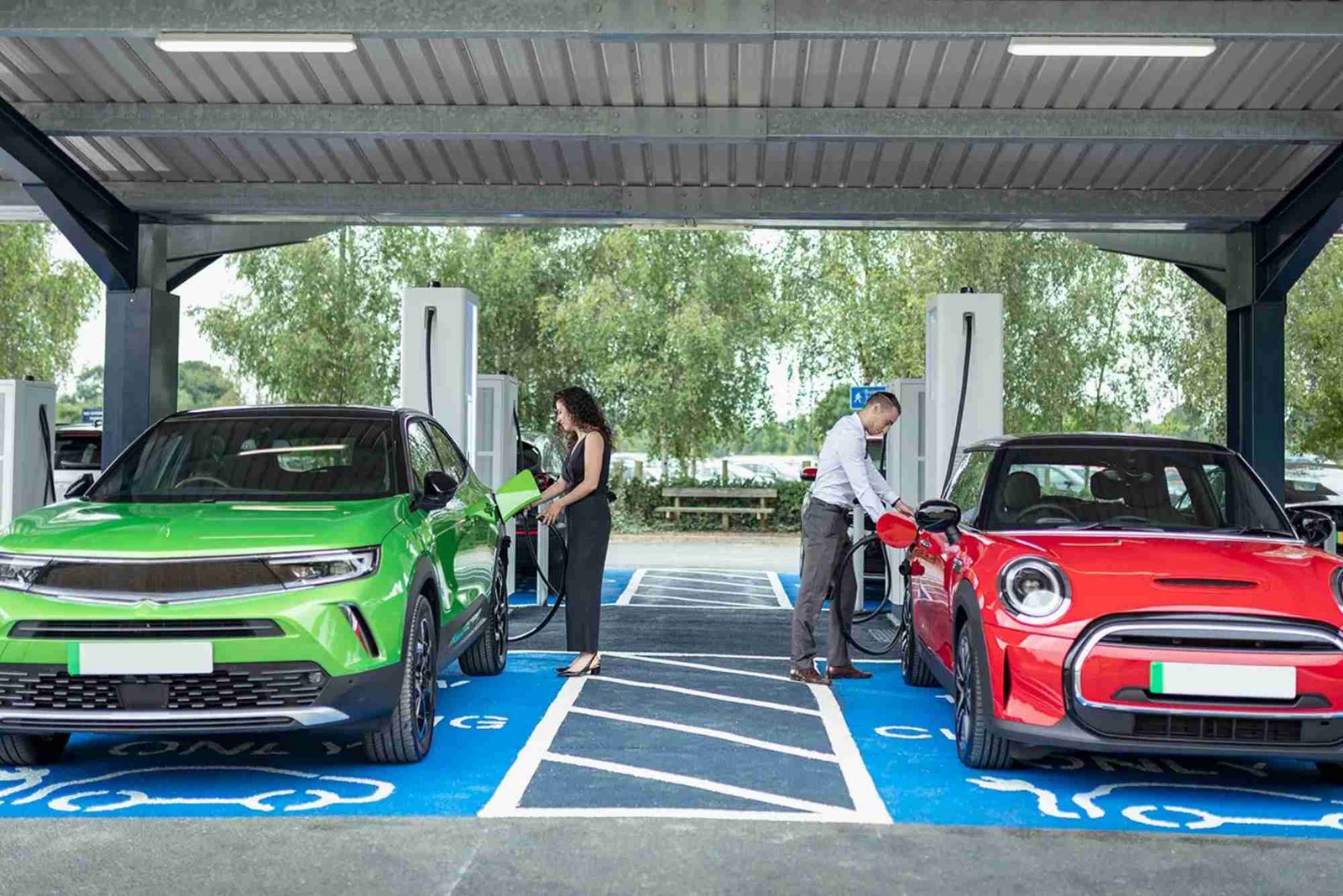
The availability of charging stations plays a crucial role in EV adoption. Public charging networks have expanded in urban areas and along major highways, reducing the inconvenience of recharging. Many EVs also support fast-charging technology, allowing drivers to gain hundreds of kilometers of range in under an hour. Home charging solutions have become simpler and more cost-effective, making the transition to electric vehicles smoother for households.
Environmental Awareness and Climate Concerns
Environmental responsibility is a significant factor behind the rise of electric cars. With growing awareness of climate change, consumers are seeking greener transportation alternatives. Electric vehicles produce zero tailpipe emissions, contributing to cleaner air in cities and reducing overall carbon footprints. This is particularly important in regions struggling with pollution and stringent emission regulations.
Reducing Greenhouse Gas Emissions
Traditional internal combustion engine vehicles rely on fossil fuels, releasing carbon dioxide and other harmful gases. Electric cars, especially those powered by renewable energy sources, offer a cleaner alternative. By lowering greenhouse gas emissions, EVs help combat global warming and align with international climate goals.

Influence of Policy and Incentives
Government policies have strongly influenced the popularity of electric cars. Subsidies, tax credits, and incentives for EV purchases reduce the upfront cost, making them more competitive with conventional vehicles. Many countries also offer benefits like reduced road taxes, free parking, and access to carpool lanes. These measures encourage individuals and businesses to embrace electric mobility.
Economic Benefits for Drivers
Beyond environmental and technological factors, electric cars offer tangible economic advantages. Although the initial cost can be higher than traditional vehicles, long-term savings make EVs an attractive choice for many consumers.
Lower Operating Costs
Electric cars have fewer moving parts compared to gasoline vehicles, reducing maintenance requirements. There is no need for oil changes, transmission repairs, or exhaust system replacements. Electricity is generally cheaper than fuel, and charging at home during off-peak hours further lowers operating costs. Over time, these savings can offset the higher purchase price.
Resale Value and Depreciation
As electric vehicles gain mainstream acceptance, their resale value is becoming more stable. Early adopters may have faced significant depreciation, but improvements in battery longevity and brand trust have improved market confidence. Consumers are increasingly aware that electric cars hold value well, encouraging new buyers to invest.
Shifting Consumer Preferences
Public perception and lifestyle trends play an essential role in the rise of electric vehicles. Modern consumers value sustainability, innovation, and technology integration, all of which electric cars provide.
Attractive Design and Features
Automakers are designing electric vehicles with modern aesthetics, spacious interiors, and advanced tech features. Touchscreen dashboards, autonomous driving capabilities, and smart connectivity appeal to tech-savvy consumers. The performance of EVs, including instant torque and smooth acceleration, adds to their allure, changing the perception of electric cars from practical necessities to desirable possessions.
Social Responsibility and Status
Driving an electric car is often associated with environmental responsibility and social awareness. For many, owning an EV is a statement of personal values, reflecting a commitment to sustainability. As more people adopt electric vehicles, social influence plays a role, further reinforcing why electric cars are increasingly popular.
Global Industry Trends
The automotive industry is responding to shifting demand with aggressive investment in electric mobility. Major manufacturers are expanding their EV lineups, and startups are introducing innovative solutions to compete in the market.
Automotive Giants and Innovation
Established car companies are committing to electrification, launching electric models across various price points. Companies are investing billions in battery development, autonomous features, and global charging infrastructure. This competition has driven rapid technological advancement and increased availability, making electric cars more appealing to a broad audience.
Emerging Markets and Accessibility
Emerging economies are also embracing electric vehicles, recognizing the long-term environmental and economic benefits. Governments in Asia, Europe, and North America are promoting EV adoption through subsidies, infrastructure expansion, and regulatory support. As a result, electric cars are becoming a practical choice for more consumers worldwide, reflecting a global shift toward sustainable transportation.
Addressing Common Concerns
Despite their growing popularity, electric vehicles still face skepticism. Understanding and addressing these concerns helps explain the trend toward increased adoption.
Range Anxiety
Range anxiety—the fear of running out of battery—remains a consideration for potential buyers. However, longer-range EVs, expanded charging networks, and real-time range monitoring have alleviated most concerns. Drivers are increasingly confident in using EVs for daily commutes, weekend trips, and long-distance travel.
Charging Time
While charging time was once a drawback, advancements in fast-charging technology and home charging setups have minimized inconvenience. Many drivers now find it easy to recharge overnight or during short stops, making electric cars comparable to conventional vehicles in usability.
Initial Cost
Electric vehicles may still have a higher purchase price, but incentives, tax credits, and long-term savings offset this factor. Financing options and leasing programs further improve affordability, making EVs an increasingly practical investment.
The Role of Renewable Energy
Electric vehicles become even more attractive when paired with renewable energy. Solar-powered homes and wind energy initiatives allow EV owners to drive almost entirely on clean energy, further reducing environmental impact. This synergy strengthens the appeal of electric vehicles as sustainable, future-oriented transportation solutions.
Integration with Smart Technology
Modern electric cars integrate seamlessly with smart technology, offering energy management, route optimization, and remote monitoring through mobile apps. This connectivity enhances convenience, efficiency, and user experience, encouraging more drivers to switch to electric vehicles.
Long-Term Sustainability
The shift to electric cars is part of a larger movement toward sustainability. By reducing dependence on fossil fuels and lowering emissions, EV adoption contributes to healthier cities and a cleaner planet. Consumers increasingly recognize this responsibility, influencing purchasing decisions and industry trends.
The growing popularity of electric cars results from a combination of technological advancements, environmental awareness, economic benefits, and shifting consumer preferences. Modern EVs are practical, efficient, and stylish, appealing to a wide range of drivers. With expanding infrastructure, improved battery technology, and supportive policies, electric vehicles are poised to become an integral part of our transportation future.
For anyone considering a new vehicle, exploring electric cars is a smart choice. They offer savings, sustainability, and cutting-edge innovation. Embracing this shift today ensures a cleaner, more efficient, and enjoyable driving experience tomorrow.
Staying safe on the highway is crucial for every driver. Follow speed limits, keep a safe distance from other vehicles, and always use indicators when changing lanes. Avoid distractions like mobile phones and stay alert, especially in bad weather. Regularly check your vehicle’s brakes and tires to ensure safety. These simple habits can prevent accidents and make your highway journey smooth and secure. Learn more at: Safe Driving Tips on the Highway.
FAQ
What makes electric cars more environmentally friendly than gasoline cars?
Electric cars produce zero tailpipe emissions, reducing greenhouse gases. When paired with renewable energy, they significantly lower overall carbon footprints.
Are electric cars more expensive to maintain?
No. EVs have fewer moving parts, no oil changes, and lower maintenance costs, saving money over time.
How far can modern electric cars travel on a single charge?
Most modern electric cars can travel 250–500 kilometers per charge, with some premium models exceeding 600 kilometers.
Is charging infrastructure sufficient for daily use?
Yes. Public charging networks are growing, and home charging options make daily EV use convenient and practical.
Do electric cars perform as well as traditional vehicles?
Absolutely. Electric cars offer instant torque, smooth acceleration, and modern features, making them competitive with conventional vehicles.