
Introduction
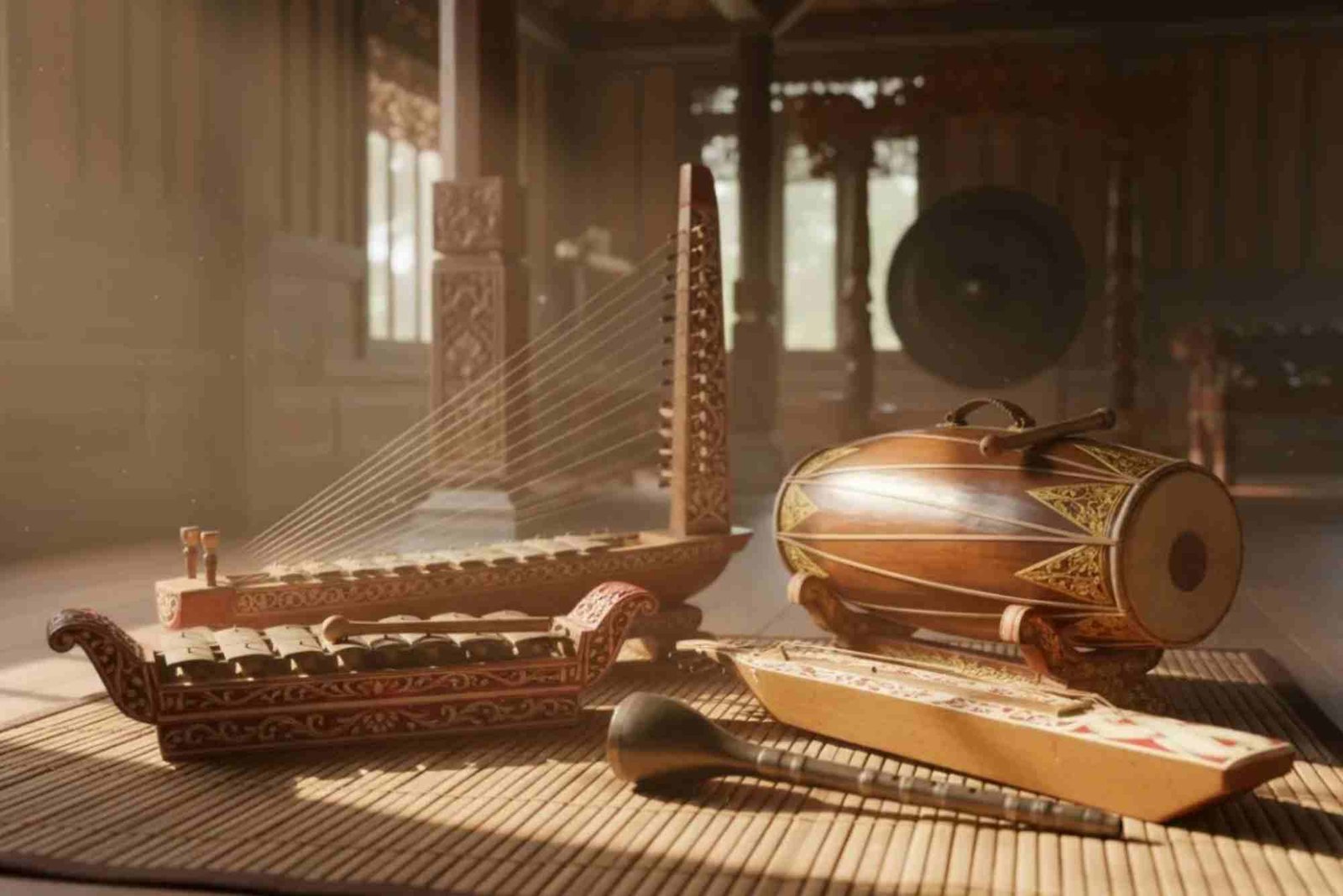
Indonesian traditional music is a vibrant reflection of the country’s rich cultural heritage. Spanning thousands of islands, Indonesia offers an incredible variety of music styles, instruments, and performance traditions. Preserving these musical treasures is crucial, not just for cultural identity, but also for educating younger generations and promoting Indonesia on the global stage. This article explores the most iconic forms of Indonesian traditional music that must be preserved.
The Importance of Preserving Indonesian Traditional Music
Cultural Identity and Heritage
Traditional music plays a vital role in maintaining Indonesia’s cultural identity. From the ceremonial gamelan in Java to the melodic sasando of Rote Island, these sounds are deeply connected to local customs, rituals, and storytelling.
Educational Value
Teaching traditional music in schools and community centers helps younger generations understand their roots. It also encourages creativity and fosters respect for local cultures.
Economic and Tourism Impact
Preserving traditional music can boost tourism and the local economy. Cultural festivals, performances, and music workshops attract international visitors and promote Indonesia’s arts globally.
Key Indonesian Traditional Music That Must Be Preserved
Gamelan
History and Significance
Gamelan is an ensemble of traditional instruments, including metallophones, drums, gongs, and bamboo flutes. Originating in Java and Bali, gamelan accompanies dances, puppet shows, and ceremonies. Its intricate rhythms and harmonies represent the spiritual and artistic values of Indonesian culture.
Preservation Efforts
Local governments and cultural institutions have initiated gamelan workshops, school programs, and festivals to keep this music alive. UNESCO recognized Balinese gamelan as an intangible cultural heritage, highlighting its global importance.

Angklung
Unique Bamboo Instrument
Angklung is made of bamboo tubes that produce sound when shaken. Native to West Java, this instrument symbolizes community and harmony, as playing it often requires teamwork.
Cultural Significance
Angklung is used in rituals, education, and performances, emphasizing the importance of cooperation and cultural pride.
Sasando
Origin and Construction
Sasando is a stringed instrument from Rote Island, East Nusa Tenggara. Crafted from bamboo and palmyra leaves, it produces soothing and melodic tones.
Modern Adaptation
Musicians have begun integrating sasando into contemporary music genres, ensuring the instrument’s survival while appealing to younger audiences.
Kendang and Traditional Drumming
Role in Music Ensembles
The kendang, a two-headed drum, is essential in many Indonesian ensembles, guiding tempo and rhythm. It is widely used in gamelan orchestras and traditional dances.
Teaching Programs
Drumming classes and competitions promote engagement among youth, ensuring that these skills are passed down.
Tanjidor
Musical Tradition of Betawi
Originating from Jakarta, Tanjidor combines Western and local instruments, reflecting the Betawi culture. It is performed during festivals, weddings, and public celebrations.
Community Preservation
Local cultural centers host Tanjidor performances and competitions, encouraging participation and keeping the tradition alive.
Kecapi and Sundanese Music
The Sundanese Influence
Kecapi, a traditional zither from West Java, forms the backbone of Sundanese music. It is often accompanied by vocals or bamboo flutes.
Preservation Initiatives
Cultural workshops and music schools provide lessons in Kecapi, ensuring the continued appreciation of Sundanese heritage.
Challenges in Preserving Indonesian Traditional Music
Modernization and Globalization
Modern music genres like pop and hip-hop are popular among youth, leading to a decline in traditional music practice.
Limited Funding and Resources
Many communities lack adequate funding to maintain instruments, organize performances, or conduct educational programs.
Declining Interest Among Youth
Without engaging programs and modern adaptations, younger generations may perceive traditional music as outdated or irrelevant.
Strategies to Preserve Indonesian Traditional Music
Integrating Traditional Music into Education
Including traditional music in school curricula encourages students to learn about instruments, songs, and cultural contexts.
Digital Documentation and Media Promotion
Recording performances and sharing them online can increase awareness and accessibility, attracting a global audience.
Collaboration with Contemporary Music
Merging traditional instruments with modern music genres can spark interest among youth while maintaining cultural authenticity.
Government and Community Support
Funding festivals, workshops, and competitions provides incentives for musicians and communities to continue their traditions.
Indonesian traditional music is more than just entertainment—it is a vital part of the nation’s cultural identity and heritage. From gamelan to angklung, each musical form tells a story of community, spirituality, and creativity. Preserving these traditions requires collective effort from governments, educators, musicians, and local communities. By valuing and supporting traditional music, Indonesia ensures that future generations inherit a rich and diverse cultural legacy.
FAQs
What are the most famous Indonesian traditional music instruments?
The most famous instruments include the gamelan, angklung, sasando, kendang, and kecapi.
Why is traditional music important in Indonesia?
Traditional music preserves cultural identity, educates younger generations, and enhances tourism.
How can young people get involved in traditional music?
Young people can join music workshops, school programs, and community performances to learn and perform traditional music.
Has Indonesian traditional music received international recognition?
Yes, for example, Balinese gamelan is recognized by UNESCO as an intangible cultural heritage.
Can traditional instruments be used in modern music?
Absolutely. Many musicians integrate traditional instruments like sasando or angklung into contemporary music genres to reach younger audiences.
Indonesian Traditional Theater Arts showcase the rich cultural heritage of Indonesia through performances combining storytelling, music, dance, and elaborate costumes. From Wayang Wong to Ludruk, these arts reflect local myths, history, and social values. Preserving them ensures future generations experience Indonesia’s unique artistic legacy.