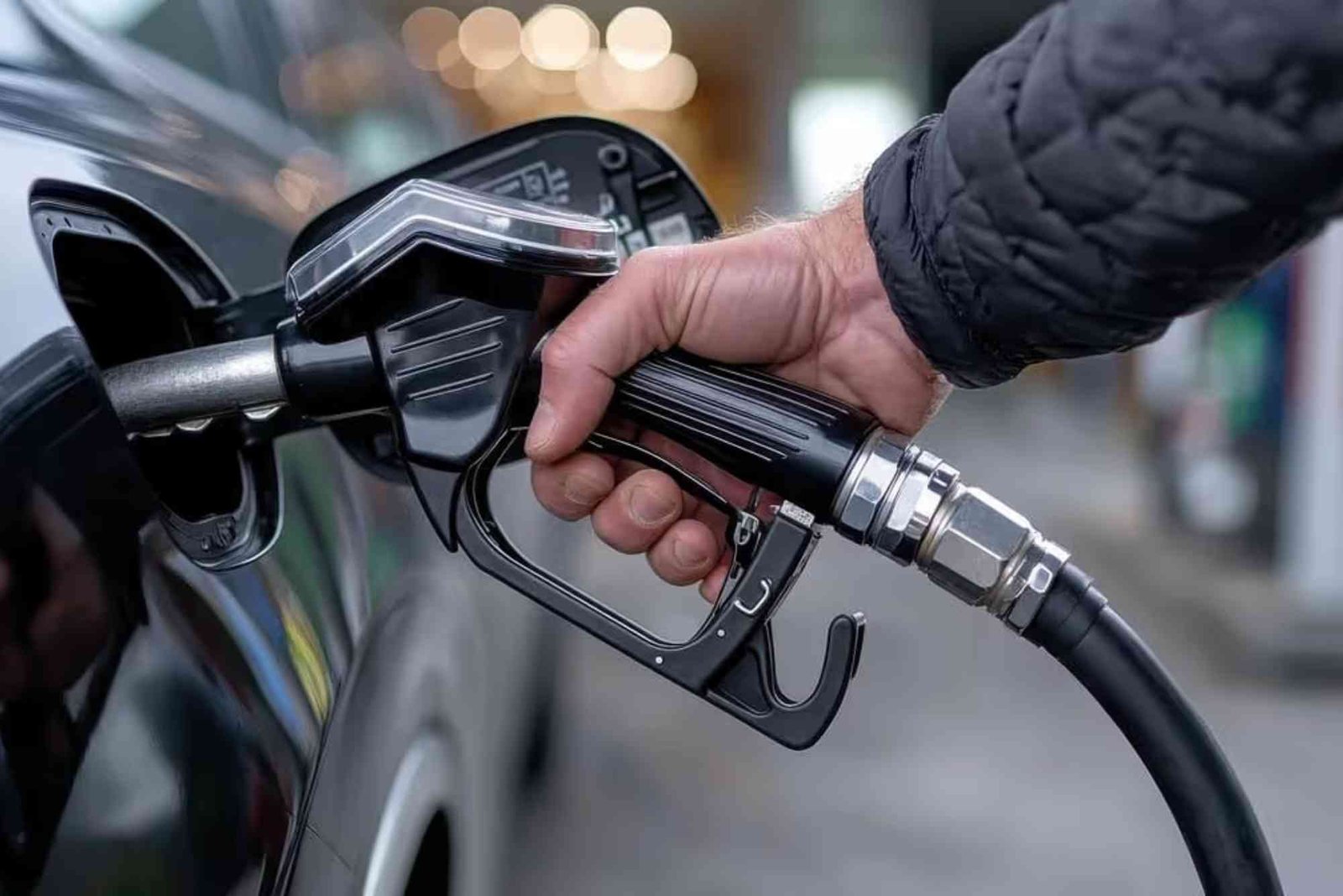

The automotive industry is evolving faster than ever, and 2026 promises a year of innovation and transformation. From electric vehicles (EVs) to autonomous technology, manufacturers are redefining what driving means. This article explores the most significant automotive trends in 2026 and what they mean for drivers, manufacturers, and the global market.
Electric Vehicles Lead the Charge
Electric vehicles are no longer a niche market. In 2026, EV adoption continues to accelerate, driven by government incentives, sustainability goals, and technological breakthroughs.
Longer Range and Faster Charging
Modern EVs now feature improved battery chemistry, allowing ranges exceeding 400 miles. Fast-charging stations are becoming widespread, enabling drivers to recharge in under 20 minutes. This reduces “range anxiety” and makes EVs more practical for daily use.
Affordable Options for Consumers
Competition among automakers has pushed EV prices down, making electric cars accessible to a broader audience. Budget-friendly models now offer features previously reserved for luxury vehicles, creating more opportunities for consumers to switch from traditional internal combustion engines.
Integration with Renewable Energy
Automakers are pairing EVs with renewable energy solutions like solar charging and smart grid connections. This integration supports eco-friendly driving and contributes to global carbon reduction efforts.
Autonomous and Semi-Autonomous Driving
Self-driving technology continues to gain traction in 2026. While fully autonomous vehicles are still under testing, semi-autonomous features are now mainstream.

Advanced Driver Assistance Systems
ADAS features like adaptive cruise control, lane-keeping assistance, and automatic emergency braking are standard in many vehicles. These systems reduce accidents, improve traffic flow, and enhance overall safety.
AI-Powered Navigation
Artificial intelligence is transforming navigation systems. Vehicles can now predict traffic patterns, suggest optimal routes, and even detect hazards in real time. Drivers experience a safer, more efficient journey with less stress.
Ride-Hailing and Autonomous Fleets
Several cities are testing autonomous ride-hailing services, which could revolutionize urban mobility. Self-driving taxis promise affordable, reliable transportation without the need for human drivers.
Connected Cars and Smart Features
Connectivity is becoming a key differentiator in the automotive industry. Modern vehicles are essentially smart devices on wheels.
Vehicle-to-Everything (V2X) Communication
Cars are now equipped to communicate with traffic signals, other vehicles, and infrastructure. This reduces congestion, enhances safety, and enables a more intelligent transportation network.
Infotainment and Personalized Experiences
Automakers are focusing on driver experience with advanced infotainment systems, voice recognition, and AI-driven personalization. Passengers can enjoy entertainment, productivity tools, and adaptive climate controls tailored to their preferences.
Over-the-Air Updates
Software updates are no longer limited to phones. Vehicles receive over-the-air updates to improve performance, safety, and features without visiting a dealership. This trend keeps cars technologically relevant for years.
Sustainability Beyond Electric Vehicles
Sustainability goes beyond EV adoption. Automakers in 2026 are exploring materials, production methods, and recycling initiatives to minimize environmental impact.
Lightweight Materials
Aluminum, carbon fiber, and recycled composites are replacing traditional steel to improve efficiency. Lighter vehicles consume less energy, whether powered by electricity or fuel, contributing to lower emissions.
Circular Economy in Manufacturing
Car manufacturers are emphasizing recyclable components and sustainable supply chains. End-of-life vehicles are designed for easier disassembly, reducing waste and environmental footprint.
Eco-Friendly Interiors
Sustainable interior materials, such as vegan leather and recycled plastics, are becoming standard. Consumers can enjoy luxury without compromising environmental responsibility.
Performance and Design Innovations
While technology dominates the industry, performance and design trends continue to attract enthusiasts.
Electric Performance Cars
EVs now compete with traditional sports cars in speed and handling. High-performance electric vehicles offer instant torque, precise handling, and innovative aerodynamics, appealing to driving enthusiasts.
Modular and Adaptive Interiors
Automakers are designing flexible interiors for multiple uses, such as transforming passenger space into a workspace. Adaptable seating, storage solutions, and digital controls enhance convenience and comfort.
Futuristic Aesthetics
Aerodynamic shapes, LED lighting, and sleek digital displays dominate car design in 2026. These aesthetics are not only visually appealing but also improve efficiency and safety.
Mobility Solutions and Urban Planning
The automotive landscape is influenced by urban mobility needs and global transportation strategies.
Micro-Mobility Integration
Electric bikes, scooters, and shared micro-vehicles complement cars for short trips. This integration reduces congestion and promotes sustainable urban transportation.
Smart City Collaboration
Automakers are working with city planners to develop smart roads, charging infrastructure, and mobility hubs. Cars communicate with urban systems to optimize traffic flow and reduce pollution.
Subscription and Shared Ownership Models
Car ownership models are evolving. Subscription services and shared vehicles allow consumers access to multiple car types without long-term commitments, reshaping how people think about mobility.
indon.id adalah platform digital informatif yang menyajikan berbagai konten terkini seputar teknologi, gaya hidup, bisnis, dan informasi populer lainnya. Dengan tampilan sederhana dan mudah diakses, indon.id menjadi sumber bacaan yang relevan bagi pengguna yang ingin mendapatkan wawasan terpercaya, ringkas, dan up-to-date dalam satu tempat.
FAQs About Automotive Trends in 2026
What are the top automotive trends in 2026?
The top trends include electric vehicles, autonomous driving, connected cars, sustainable materials, and advanced design features.
How will EVs change in 2026?
EVs will have longer ranges, faster charging, more affordable options, and integration with renewable energy sources.
Are autonomous vehicles safe in 2026?
Semi-autonomous vehicles with advanced safety systems are widely available, while fully autonomous vehicles are in controlled testing environments.
What is V2X technology in cars?
Vehicle-to-everything (V2X) allows cars to communicate with other vehicles, traffic signals, and infrastructure to improve safety and efficiency.
Will car ownership decline in the future?
Yes, subscription and shared mobility services are reducing the need for traditional car ownership, especially in urban areas.
The automotive industry in 2026 is defined by innovation, sustainability, and intelligent design. Electric vehicles, autonomous driving, and connected technologies are shaping the way people drive, live, and interact with transportation systems. Staying informed about these trends is essential for consumers, businesses, and city planners alike.
Whether you’re considering your next vehicle purchase or planning urban mobility strategies, 2026 offers exciting possibilities. Embrace these trends to stay ahead in the rapidly evolving automotive world.