
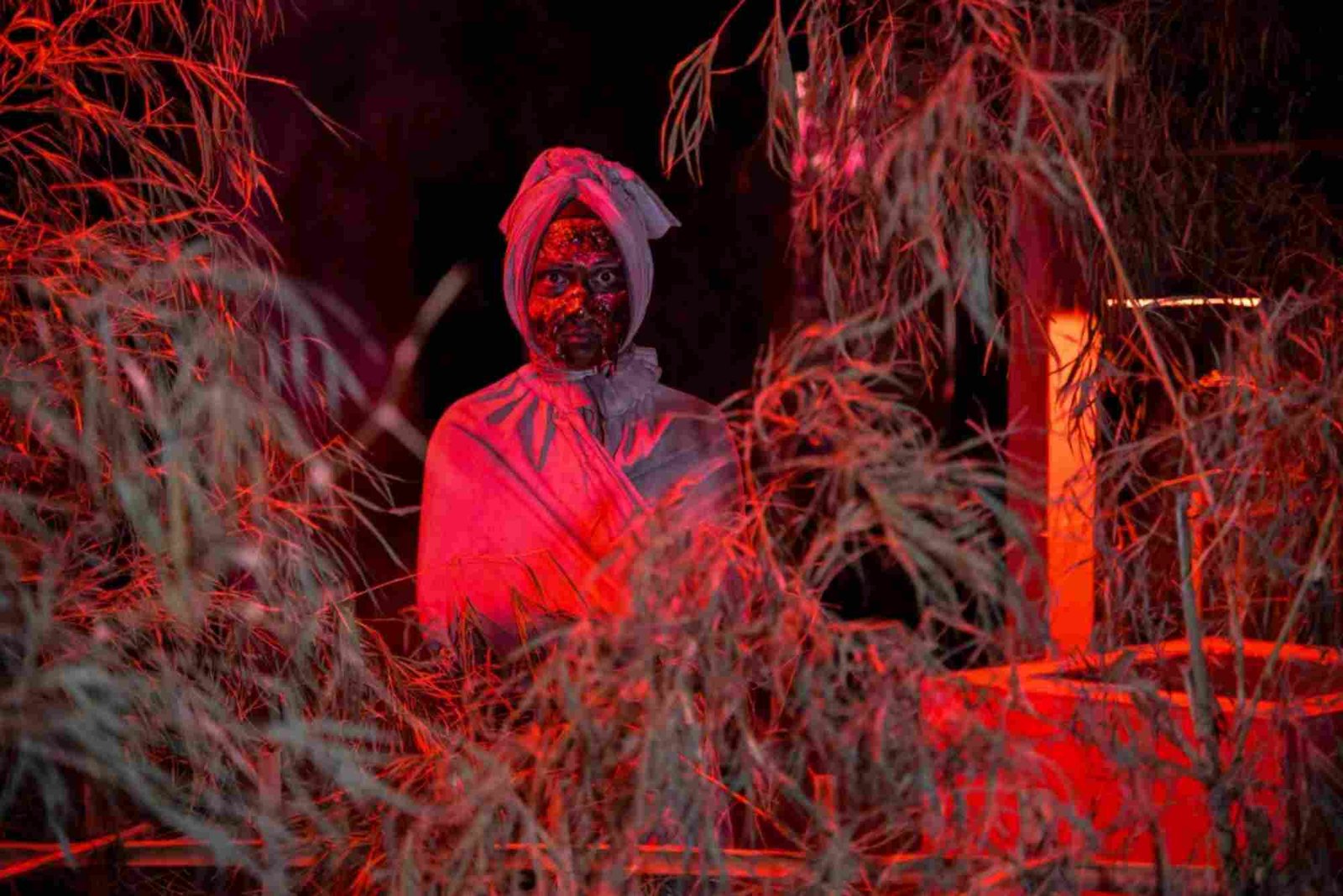
Horror films have always held a special place in Indonesian cinema. Rooted in rich folklore, supernatural beliefs, and cultural myths, these films reflect societal fears while entertaining audiences. Over the decades, the development of horror films in Indonesia has evolved remarkably, balancing traditional themes with modern storytelling techniques. This article explores the journey of Indonesian horror films, their cultural influences, significant trends, and their impact on global cinema.
Early Beginnings of Indonesian Horror Films
Folklore and Myth as Inspiration
In the early years, Indonesian horror films drew heavily from local folklore. Stories of spirits, demons, and mystical creatures were adapted for the screen. Films often featured traditional myths like the Pontianak, a female vampire spirit, and Kuntilanak, reflecting regional superstitions. These stories resonated deeply with audiences because they mirrored familiar legends and cultural fears.
Pioneering Horror Filmmakers
During the 1970s and 1980s, filmmakers like Sisworo Gautama Putra and Rizal Mantovani began exploring horror cinema seriously. Their work introduced suspenseful storytelling, eerie soundscapes, and supernatural themes that became staples of Indonesian horror. Early productions were low-budget but innovative, setting the foundation for future filmmakers.
The Golden Era of Indonesian Horror
Rise in Popularity in the 1980s and 1990s
The 1980s and 1990s are considered the golden era of Indonesian horror films. During this period, the genre gained massive popularity domestically. Filmmakers explored themes of vengeance, haunted houses, and supernatural justice. Movies such as Pengabdi Setan (Satan’s Slave) and Malam Satu Suro became iconic for blending horror with cultural storytelling.
Integration of Traditional Music and Settings
Horror films in this era often used traditional Indonesian music and rural settings to enhance fear. The combination of gamelan scores, misty forests, and abandoned villages created immersive experiences. Such films were visually and emotionally connected to Indonesian identity, distinguishing them from Western horror imports.
Modern Indonesian Horror Cinema
International Influence and Technological Advancement
Modern Indonesian horror films have embraced technology and global cinematic trends. Advanced special effects, CGI, and modern cinematography techniques have enhanced the storytelling experience. Directors now integrate global horror conventions like jump scares, psychological suspense, and narrative twists, making films appealing to younger audiences and international viewers.

Notable Contemporary Films
Recent hits such as Satan’s Slaves (2017), Danur, and Impetigore have received critical acclaim and international recognition. These films mix folklore-inspired narratives with modern production quality, creating suspenseful, well-crafted experiences. They also highlight strong character development, a departure from the early era’s simpler storytelling.
Female Directors and New Perspectives
The rise of female directors in Indonesian horror cinema has brought fresh perspectives. Films now often explore gender dynamics, societal fears, and family structures, offering more than just supernatural thrills. These stories provide psychological depth while maintaining horror’s traditional intensity.
Cultural Impact of Indonesian Horror Films
Reflection of Social Issues
Indonesian horror films frequently reflect contemporary social issues. Themes such as urbanization, corruption, family struggles, and superstition appear alongside supernatural elements. By merging real-world problems with horror, filmmakers create relatable yet thrilling experiences for audiences.
Influence on Southeast Asian Cinema
Indonesian horror cinema has influenced neighboring countries like Malaysia, Thailand, and the Philippines. The unique blend of folklore, suspense, and cultural depth has inspired filmmakers across Southeast Asia, contributing to a growing regional horror market.
Horror Festivals and Global Recognition
Film festivals worldwide have increasingly recognized Indonesian horror films. Events like the Bucheon International Fantastic Film Festival have showcased Indonesian horror, helping directors gain international audiences. This recognition has motivated local filmmakers to invest in higher production quality and innovative storytelling.
Trends Shaping the Future of Indonesian Horror
Hybrid Genres and Storytelling
Modern horror filmmakers are experimenting with hybrid genres, combining horror with comedy, drama, and romance. This trend allows for broader audience appeal while maintaining suspenseful storytelling.
Emphasis on Psychological Horror
There is a growing focus on psychological horror, exploring fear from the human mind rather than relying solely on supernatural elements. These films challenge audiences intellectually and emotionally, raising the bar for the genre.
Online Streaming Platforms
The rise of streaming platforms like Netflix and Disney+ has expanded the reach of Indonesian horror films globally. Filmmakers now have opportunities to target international viewers while keeping local cultural authenticity intact.
The development of horror films in Indonesia showcases a fascinating journey from folklore-based storytelling to modern cinematic experiences. By blending tradition, technology, and psychological depth, Indonesian filmmakers continue to captivate audiences both locally and globally. The genre remains a vital reflection of the nation’s culture and creativity.
For horror enthusiasts and cinema lovers, exploring Indonesian horror films provides an exciting glimpse into the nation’s rich storytelling heritage. Keep up with the latest releases and experience the evolution of fear firsthand.
indon.id is an informative digital platform that presents a variety of up-to-date content on technology, lifestyle, business, and other popular topics. With a simple and accessible interface, indon.id is a relevant reading resource for users seeking reliable, concise, and up-to-date insights all in one place.
FAQ
What are the earliest Indonesian horror films?
Early Indonesian horror films, dating back to the 1970s, were inspired by folklore and featured spirits like Pontianak and Kuntilanak.
Why is folklore important in Indonesian horror films?
Folklore connects audiences to cultural myths and local beliefs, making supernatural elements more relatable and frightening.
How has modern technology changed Indonesian horror cinema?
Advanced cinematography, CGI, and sound design have enhanced suspense, realism, and global appeal in contemporary films.
Who are some notable Indonesian horror directors?
Directors like Sisworo Gautama Putra, Rizal Mantovani, and Joko Anwar have significantly shaped Indonesian horror cinema.
Are Indonesian horror films popular internationally?
Yes, films like Satan’s Slaves and Impetigore have gained international acclaim through film festivals and streaming platforms.