
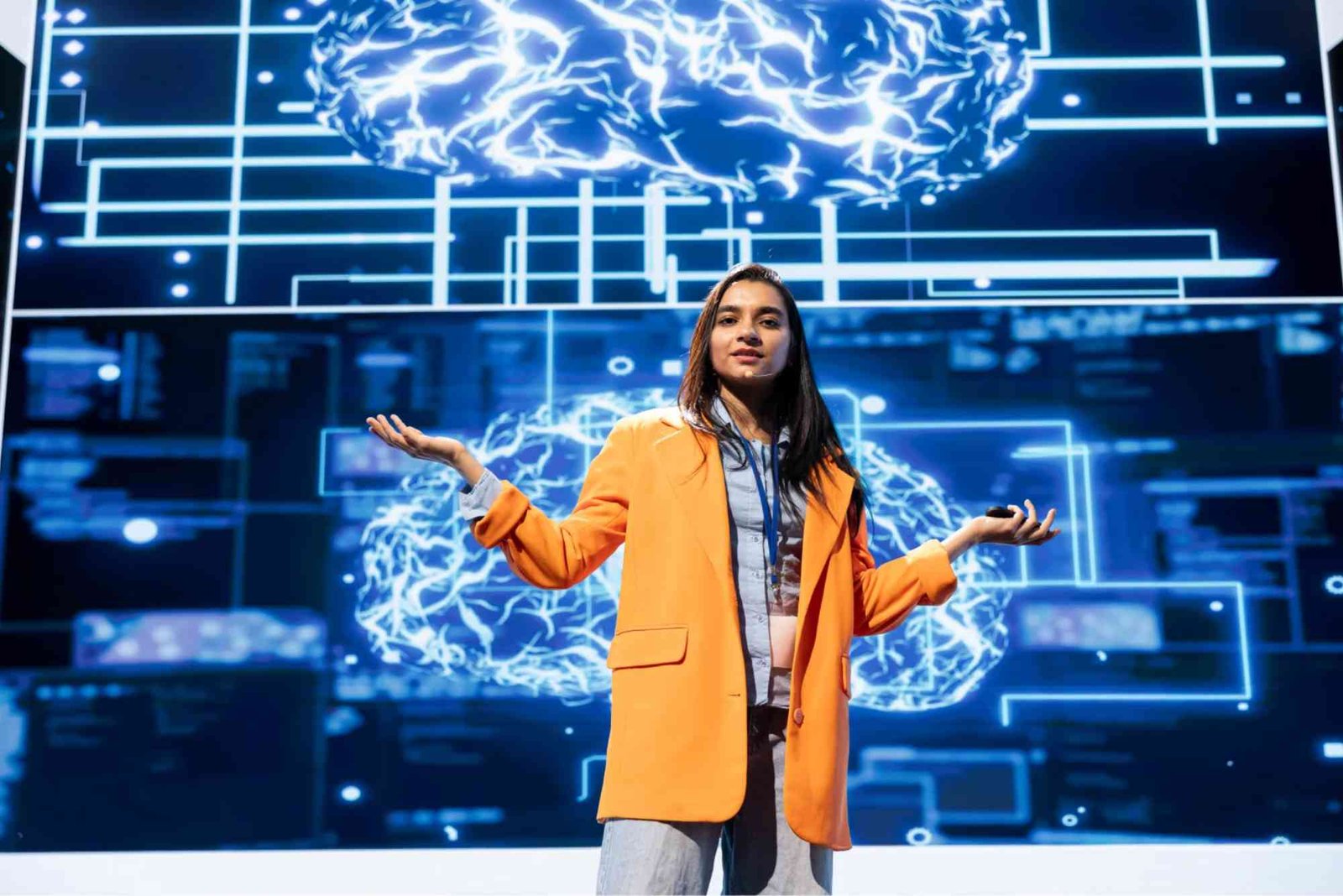
Artificial Intelligence (AI) is reshaping nearly every industry, and education is no exception. AI technology in the world of education is transforming traditional classrooms into interactive, personalized learning environments. From K-12 schools to universities, AI tools are enhancing teaching methods, improving learning outcomes, and making education more accessible. The integration of AI allows educators to understand students better, provide tailored instruction, and optimize administrative processes. As a result, learners gain a more effective and engaging educational experience.
How AI is Revolutionizing Learning
AI has brought significant changes to how students learn and interact with educational content. Personalized learning is one of the most impactful innovations. AI algorithms analyze students’ performance, learning pace, and preferences to create customized lesson plans. This ensures that each learner receives support tailored to their individual needs, allowing them to master concepts more efficiently. Adaptive learning platforms, powered by AI, adjust the difficulty of tasks based on a student’s progress, keeping them challenged without feeling overwhelmed. This approach enhances motivation and helps reduce learning gaps.
Another crucial area where AI excels is intelligent tutoring systems. These virtual tutors provide real-time feedback and guidance, simulating one-on-one teaching. Unlike traditional tutoring, AI tutors are available 24/7, ensuring students can get help whenever needed. By analyzing patterns in mistakes and learning behaviors, AI systems can pinpoint problem areas and suggest targeted exercises, which significantly improves comprehension and retention.
AI also plays a vital role in content generation and curation. Tools powered by AI can create quizzes, summaries, and interactive exercises automatically, saving teachers valuable time. Additionally, AI can curate learning materials from vast online resources, presenting only the most relevant content to students. This helps maintain focus, reduces information overload, and supports deeper understanding.
Enhancing Teacher Efficiency with AI
AI technology does not aim to replace educators but to augment their abilities. Administrative tasks, such as grading assignments, tracking attendance, and monitoring student progress, can be automated using AI. This reduces the workload for teachers and allows them to focus on more meaningful interactions with students. AI-driven analytics provide insights into student performance trends, helping educators identify struggling learners early and intervene effectively.
Professional development is another area where AI is making a difference. AI-powered platforms can recommend personalized training for teachers based on their teaching style, strengths, and areas needing improvement. By leveraging AI, educators can continuously refine their skills and adopt best practices, which ultimately benefits their students.

AI-Powered Educational Tools and Platforms
Several AI-driven tools are reshaping modern classrooms. Learning management systems (LMS) integrated with AI provide adaptive course recommendations and automated progress tracking. Virtual classrooms utilize AI to enhance engagement through interactive simulations, gamified lessons, and voice-assisted teaching. Chatbots powered by AI assist students with common queries, ensuring they receive prompt support and freeing teachers from repetitive questions.
Language learning apps are a notable example of AI in education. These apps use speech recognition and natural language processing to provide real-time pronunciation feedback and conversational practice. By continuously analyzing user responses, AI can tailor lessons to target weak areas and improve overall language proficiency efficiently.
Benefits of AI in Education
The benefits of AI in education are far-reaching. Personalized learning ensures that every student receives instruction aligned with their abilities. Accessibility improves, as AI can support learners with disabilities through text-to-speech tools, language translation, and interactive simulations. Efficiency in administrative and teaching tasks allows educators to spend more time nurturing creativity and critical thinking skills in students. AI also enables data-driven decision-making, allowing schools and universities to implement strategies based on insights from learning analytics.
Furthermore, AI fosters lifelong learning. Online courses, MOOCs, and interactive platforms can use AI to adapt content for adult learners and professionals seeking skill enhancement. The flexibility of AI-powered learning ensures that education is no longer confined to a specific age or environment.
Challenges and Ethical Considerations
Despite its benefits, integrating AI into education comes with challenges. Privacy and data security are major concerns, as AI systems collect and analyze large amounts of student data. Ensuring that this data is protected and used responsibly is critical. Bias in AI algorithms is another issue, as systems trained on limited or biased datasets may perpetuate inequalities. Educators and developers must ensure that AI solutions are fair, transparent, and inclusive.
There is also the challenge of accessibility. Not all schools and students have the resources to implement AI-driven tools. Bridging this digital divide is essential to prevent further inequality in education. Teachers require training to effectively use AI technologies, as their success depends on proper implementation and understanding of these tools.
The Future of AI in Education
The potential of AI in education is enormous. In the coming years, we can expect more immersive experiences using augmented reality (AR) and virtual reality (VR) integrated with AI. These technologies can simulate real-world scenarios, enabling students to practice skills in safe and interactive environments. AI may also enhance collaborative learning by connecting students with peers worldwide for group projects, discussions, and cross-cultural learning experiences.
Artificial intelligence could play a crucial role in lifelong education, offering personalized career guidance and continuous skill development. By analyzing labor market trends, AI systems can recommend courses, certifications, and learning paths aligned with individual career goals, ensuring that learners remain competitive in a rapidly evolving workforce.
AI technology in the world of education is no longer a futuristic concept—it is a present reality transforming how students learn and teachers teach. From personalized learning and intelligent tutoring to automated administrative tasks and data-driven insights, AI offers unprecedented opportunities to enhance education. However, its success relies on responsible implementation, ethical considerations, and equitable access. Educators and institutions must embrace AI as a tool to empower learners and create a more inclusive, efficient, and engaging educational environment.
As AI continues to evolve, the future of education promises to be more adaptive, immersive, and student-centered than ever before. Embracing this transformation can lead to a generation of learners equipped with the skills, knowledge, and confidence to thrive in an increasingly complex world. Take the first step toward integrating AI in education today—explore AI-powered learning platforms and tools to enhance your teaching or learning experience.
emukan berbagai tips liburan, destinasi menarik, dan rekomendasi wisata di Indonesia hanya di Indon.id. Dari panduan perjalanan singkat hingga pengalaman lokal unik, Indon.id membantu Anda merencanakan liburan sempurna dengan informasi lengkap dan terpercaya. Jangan lewatkan update terbaru setiap hari!
FAQs
How is AI used in education today?
AI is used for personalized learning, virtual tutoring, administrative automation, and content creation in classrooms worldwide.
Can AI replace teachers?
No, AI enhances teachers’ capabilities but cannot replace human interaction, mentorship, and emotional support in education.
What are the benefits of AI in schools?
AI provides personalized learning, efficient administration, accessibility support, and data-driven insights for improved learning outcomes.
Is AI in education safe for students?
Yes, if implemented responsibly with proper data privacy, security measures, and ethical considerations in mind.
How will AI shape the future of learning?
AI will make learning adaptive, immersive, and lifelong, offering personalized career guidance and global collaborative opportunities.