Introduction
Wayang in Indonesia: Types, Characters, and Cultural Values is a rich topic that reflects the deep artistic and spiritual heritage of Indonesia. Wayang is not just a traditional performance art but also a cultural identity passed down through generations. It combines storytelling, music, philosophy, and moral lessons in one powerful performance.
In many regions, wayang remains relevant today. Communities still perform it during celebrations, rituals, and cultural events. Through understanding wayang, we also understand Indonesian traditions, beliefs, and social values.
Wayang in Indonesia
Wayang has existed for centuries in Indonesia. It developed under the influence of Hinduism, Buddhism, and later Islam. Over time, local culture shaped it into unique forms.
The main keyword Wayang in Indonesia: Types, Characters, and Cultural Values describes the core elements of this tradition. Types refer to different performance styles. Characters represent heroes, gods, and moral figures. Cultural values highlight the lessons embedded in the stories.
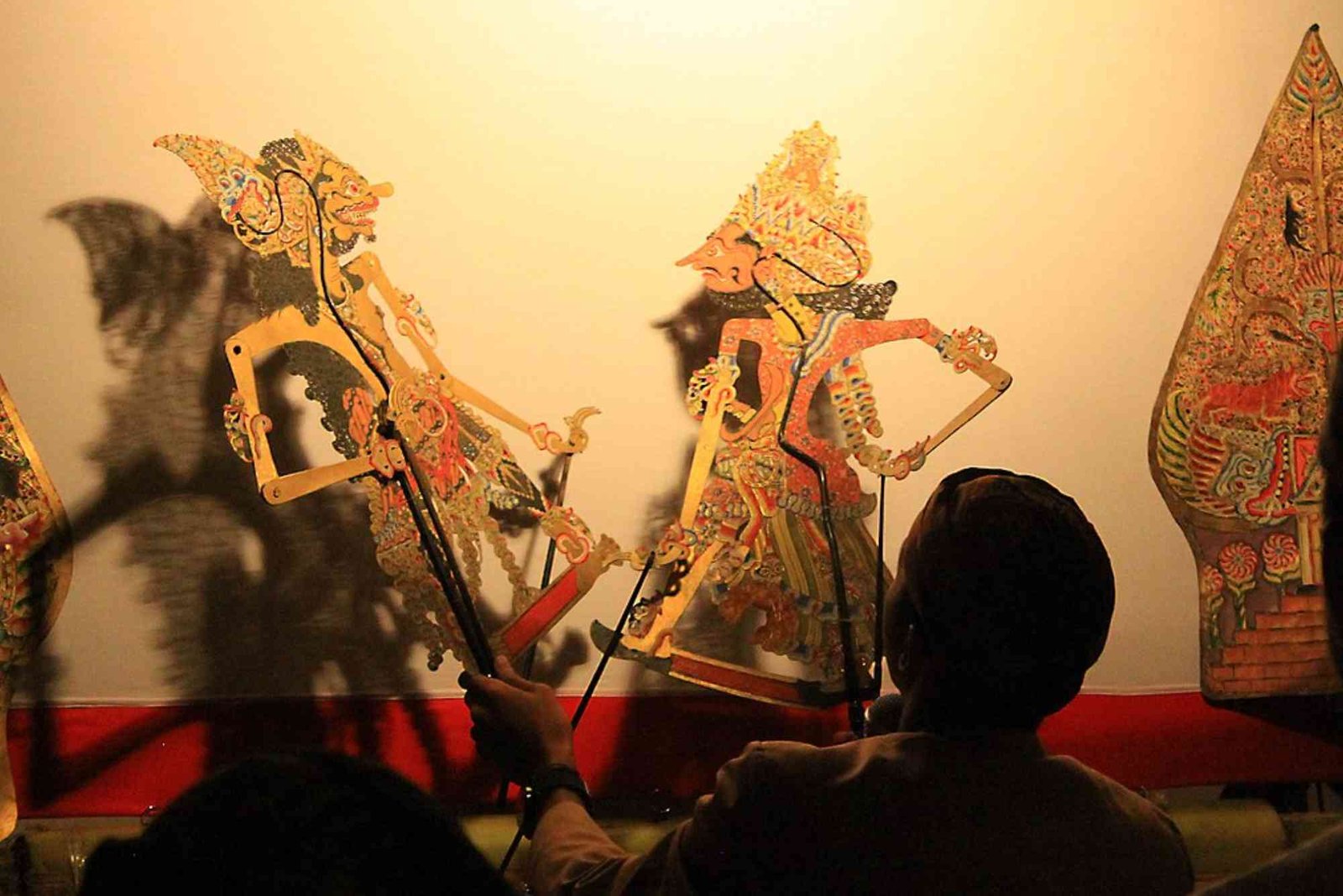
Wayang performances usually involve a puppeteer called a dalang. The dalang controls the puppets, narrates the story, and guides the audience through moral teachings. Traditional music accompanies the performance to create atmosphere and emotion.
Today, wayang is recognized by UNESCO as an important cultural heritage. This recognition shows its global importance and cultural depth.
Types of Wayang in Indonesia
Wayang has several types. Each type reflects regional creativity and historical influence. These variations make wayang diverse and meaningful across Indonesia.
Wayang Kulit
Wayang Kulit is one of the most popular forms. It uses flat leather puppets with detailed carvings. Light behind the screen creates moving shadows.
This type is widely performed in Java and Bali. Stories often come from the Ramayana and Mahabharata epics. However, local legends are also included.
Wayang Kulit performances can last for hours. Sometimes they continue overnight during special ceremonies. The combination of music, dialogue, and shadow art makes it unique.
Wayang Golek
Wayang Golek uses three dimensional wooden puppets. Unlike shadow puppets, these figures are visible to the audience.
It is popular in West Java. The characters are colorful and expressive. Movements are controlled using rods attached to the puppets.
The stories often include Islamic teachings and historical events. This adaptation shows how wayang changes according to social context.
Wayang Wong
Wayang Wong is performed by real actors instead of puppets. Performers wear traditional costumes and act as characters from classical epics.
It combines dance and drama. Facial expressions and body movements play an important role.
This type is commonly performed in Java and Bali. It strengthens cultural preservation through live performance.
Wayang Beber
Wayang Beber is one of the oldest forms. It uses painted scrolls that are rolled out during storytelling.
The dalang explains scenes while unrolling the scroll. Each painting represents a part of the story.
Although rare today, it remains important as historical evidence of early storytelling traditions.
Main Characters in Wayang Stories
Characters play a vital role in understanding Wayang in Indonesia: Types, Characters, and Cultural Values. They represent moral qualities and human behavior.
Pandawa
Pandawa are five heroic brothers from the Mahabharata epic. They symbolize honesty, loyalty, and justice.
Each brother has unique traits. For example, Yudhistira represents wisdom and truth. Bima symbolizes strength and courage.
Their struggles teach audiences about responsibility and leadership.
Kurawa
Kurawa are the rivals of Pandawa. They often represent greed, jealousy, and selfishness.
Through conflict between Pandawa and Kurawa, moral lessons become clear. Good and evil are shown in contrast.
This contrast helps audiences understand ethical choices in life.
Semar
Semar is a unique and important character. He appears as a servant but holds spiritual wisdom.
He symbolizes humility and guidance. Many people see him as a spiritual protector.
Semar reminds leaders to stay humble and serve others.
Gods and Supernatural Figures
Gods like Batara Guru and other divine figures often appear in wayang stories. They represent power and cosmic balance.
Supernatural beings add fantasy elements to the narrative. However, they also carry philosophical meanings.
These characters connect human life with spiritual beliefs.
Cultural Values in Wayang in Indonesia
Wayang is more than entertainment. It carries deep cultural values that shape social behavior.
One major value is moral education. Stories teach honesty, courage, patience, and respect. Audiences learn through example and conflict.
Another value is social harmony. Characters show cooperation and teamwork. Communities see how unity brings strength.
Respect for elders and leaders is also emphasized. However, leaders must act fairly and responsibly.
Religious values appear clearly in many performances. Wayang adapts to different beliefs while maintaining moral principles.
Artistic value is another important aspect. Music, visual design, and storytelling blend together. This combination creates a complete artistic experience.
The Role of the Dalang
The dalang is the main performer and storyteller. He controls the puppets and voices multiple characters.
A skilled dalang must understand philosophy, history, and music. He guides the audience through interpretation.
The dalang also acts as a cultural teacher. His narration often includes advice for modern society.
Because of this role, the dalang holds high respect in communities.
Music and Performance Elements
Traditional music called gamelan accompanies wayang performances. Instruments include gongs, drums, and metallophones.
Music creates emotional atmosphere. It signals action scenes, battles, or peaceful moments.
Lighting also plays a role, especially in Wayang Kulit. Shadows create dramatic visual effects.
Together, these elements strengthen storytelling impact.
Modern Development of Wayang
Today, Wayang in Indonesia: Types, Characters, and Cultural Values continues to evolve. Modern themes are sometimes included.
Some performances discuss social issues, technology, and environmental protection. This adaptation keeps wayang relevant.
Digital media also promotes wayang globally. Videos and online platforms introduce it to younger generations.
Despite modernization, traditional principles remain intact. Preservation efforts ensure future sustainability.
Educational Importance of Wayang
Schools and cultural institutions teach wayang as part of heritage education. Students learn history through performance art.
Wayang improves creativity and critical thinking. It encourages understanding of moral consequences.
Teachers use stories to explain leadership and ethics. This method makes learning interactive and meaningful.
Tourism and Economic Impact
Wayang performances attract local and international tourists. Cultural festivals often include live shows.
Tourism creates income for artists and communities. It supports traditional craftsmen who make puppets.
Local governments promote wayang as cultural identity. This support strengthens economic sustainability.
Preservation Challenges
Although wayang remains important, it faces challenges. Younger generations sometimes prefer modern entertainment.
Traditional skills require long training. Fewer people choose to become dalang.
Globalization also influences cultural preferences. Therefore, preservation programs are necessary.
Government support, education, and digital promotion help maintain its existence.
Why Wayang Matters Today
Wayang reflects Indonesia’s identity and values. It connects history with modern life.
Through its stories, society learns about justice, leadership, and humanity.
Understanding Wayang in Indonesia: Types, Characters, and Cultural Values helps preserve national heritage.
It reminds people of shared traditions and collective memory.
In conclusion, Wayang in Indonesia: Types, Characters, and Cultural Values represents more than traditional performance. It combines art, philosophy, history, and moral guidance in one system.
Different types like Wayang Kulit, Wayang Golek, Wayang Wong, and Wayang Beber show creative diversity. Characters such as Pandawa, Kurawa, and Semar deliver powerful life lessons.
The cultural values inside wayang promote harmony, ethics, and social responsibility. Its preservation is essential for future generations.
If you want to explore Indonesian culture deeply, experience a live wayang performance or watch recorded shows online. Support local artists and share this heritage with others.
Stay connected with traditional arts and discover the wisdom behind every shadow and story.
Traditional customs that are still preserved in Indonesia reflect the nation’s rich cultural heritage and strong community values. Many regions continue to practice ancestral rituals, traditional ceremonies, local festivals, and unique social traditions passed down through generations. These customs play an important role in maintaining identity, strengthening social bonds, and preserving history while adapting to modern life.
(FAQ)
What is wayang in Indonesia?
Wayang is a traditional Indonesian performance art that uses puppets or actors to tell moral and historical stories. It reflects cultural and spiritual values.
What are the main types of wayang?
The main types include Wayang Kulit, Wayang Golek, Wayang Wong, and Wayang Beber. Each type has unique performance styles and materials.
Who is the most important figure in wayang performances?
The dalang is the most important figure. He controls the puppets and narrates the entire story during the performance.
What stories are commonly used in wayang?
Stories often come from the Ramayana and Mahabharata epics. Local legends and Islamic teachings are also included.
Why is wayang important for Indonesian culture?
Wayang preserves history, teaches moral values, and strengthens national identity. It is recognized as cultural heritage by UNESCO.