
Introduction
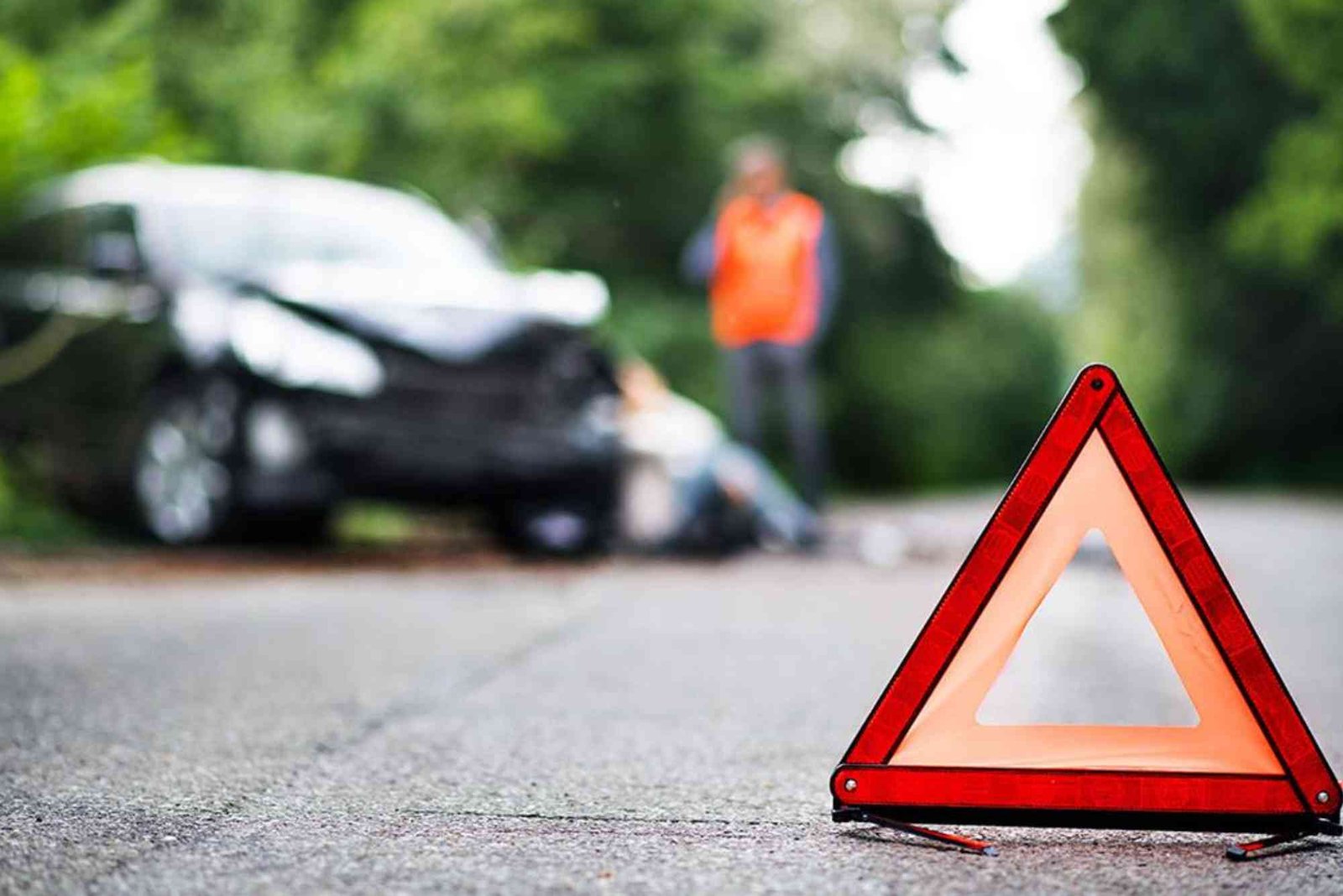
Road accidents are a major concern worldwide, causing injuries, fatalities, and significant economic loss every year. While some accidents are unavoidable, many occur due to negligence, poor driving habits, or lack of awareness. Learning and applying effective strategies can greatly reduce the risk of accidents on the road. This article provides practical tips to help drivers stay safe, protect their passengers, and contribute to safer road conditions for everyone.
Understanding Road Risks
Before diving into prevention methods, it is important to understand what factors contribute to road accidents. Human error is the leading cause, accounting for the majority of crashes. Speeding, distracted driving, fatigue, and reckless behavior are common contributors. Environmental conditions, such as rain, fog, or poorly maintained roads, also increase the likelihood of accidents. Vehicle conditions, including brake failures, worn tires, and malfunctioning lights, play a significant role. By identifying these risks, drivers can take proactive measures to avoid dangerous situations and respond effectively when hazards arise.
The Role of Defensive Driving
Defensive driving is a crucial concept for reducing accidents. It involves being aware of potential dangers and anticipating the actions of other drivers. Maintaining a safe following distance, adjusting speed according to road conditions, and scanning the road continuously are essential defensive driving strategies. Drivers should also avoid aggressive maneuvers and remain patient in heavy traffic. Defensive driving not only helps prevent collisions but also reduces stress and fatigue, allowing drivers to make better decisions in critical moments.
Staying Alert and Focused
One of the simplest yet most effective tips to reduce the risk of accidents on the road is maintaining full attention while driving. Avoid using mobile phones, eating, or engaging in activities that divide your focus. Fatigue is another major contributor to accidents, so drivers should ensure adequate rest before long trips. Regular breaks during extended drives help maintain alertness. Staying focused allows for quicker reaction times, better judgment, and a higher chance of avoiding unforeseen hazards.
Adhering to Traffic Rules
Traffic rules are designed to maintain order and safety on the roads. Obeying speed limits, traffic signals, and road signs significantly reduces accident risk. Seat belts, helmets, and child restraints are mandatory safety measures that can save lives during collisions. Following lane discipline and yielding when necessary prevents unnecessary conflicts between vehicles. Even small infractions, like running a red light or ignoring pedestrian crossings, can have severe consequences. Consistent adherence to rules reflects responsible driving behavior and sets an example for others.
Vehicle Maintenance and Safety Checks
A well-maintained vehicle is less likely to cause accidents due to mechanical failure. Regular inspections of brakes, tires, lights, and fluid levels are essential. Worn-out tires or malfunctioning brakes increase stopping distances and reduce control during emergencies. Windshield wipers, mirrors, and signals should also be functional to ensure clear visibility and communication with other road users. Scheduling routine maintenance and addressing minor issues promptly can prevent larger problems and enhance overall road safety.
Adapting to Road Conditions
Road conditions vary with weather, time of day, and infrastructure. Drivers should adjust their behavior accordingly. Wet or icy roads require slower speeds and increased following distances. At night, using high beams responsibly and ensuring headlights are clean enhances visibility. Construction zones demand extra caution, reduced speed, and attention to temporary signs. By adapting to these variables, drivers can prevent loss of control and reduce the likelihood of collisions.
Avoiding Risky Behaviors
Certain behaviors are strongly linked to accidents and should be avoided entirely. Drunk driving is one of the most dangerous actions, impairing judgment, coordination, and reaction time. Similarly, speeding, overtaking dangerously, and ignoring traffic rules put both the driver and others at risk. Tailgating, aggressive gestures, and road rage escalate conflicts and increase accident probability. Staying calm, patient, and courteous on the road is not only respectful but also a key factor in accident prevention.
Technology and Road Safety
Modern vehicles come equipped with safety technologies that help reduce accidents. Anti-lock braking systems (ABS), electronic stability control, lane departure warnings, and blind-spot monitoring improve vehicle control and alert drivers to potential hazards. Using GPS for navigation reduces the need for sudden lane changes or last-minute turns. While technology enhances safety, it does not replace the driver’s responsibility. Awareness and skill remain essential components of safe driving.
Planning Your Route
Proper trip planning can significantly reduce stress and accidents. Checking traffic conditions before departure helps avoid congested areas and sudden stops. Allocating enough travel time prevents the temptation to speed. Familiarity with the route also reduces confusion and unsafe last-minute decisions. For long trips, planning rest stops ensures that drivers remain alert throughout the journey.
Educating Yourself on Road Safety
Continuous education on safe driving practices reinforces responsible behavior. Attending defensive driving courses, reading road safety materials, and staying updated on local traffic laws improve awareness and decision-making. Understanding the effects of fatigue, alcohol, and distractions helps drivers adopt safer habits. Knowledge combined with experience is a powerful tool in minimizing accident risk.
Psychological Factors in Safe Driving
Mental state significantly influences driving performance. Stress, anger, and frustration can impair judgment and reaction time, leading to dangerous situations. Practicing relaxation techniques, such as deep breathing or taking short breaks during stressful drives, helps maintain composure. Positive thinking, patience, and mindfulness improve overall safety by fostering careful and attentive driving. Recognizing personal emotional triggers allows drivers to avoid aggressive or risky actions.
The Importance of Courtesy and Communication
Effective communication with other road users is essential for safety. Using turn signals, hand gestures, and headlights appropriately informs others of your intentions. Yielding right of way when necessary and allowing merging traffic reduces conflict and confusion. A courteous driver not only prevents accidents but also contributes to a cooperative driving environment. Shared responsibility among drivers is key to safer roads for everyone.
Reducing the risk of accidents on the road requires a combination of awareness, skill, and responsible behavior. Drivers who remain alert, follow traffic rules, maintain their vehicles, adapt to road conditions, and manage their mental state significantly enhance road safety. Defensive driving, proper planning, and courtesy toward others are not just legal obligations—they are essential habits that save lives. By incorporating these tips into daily driving routines, individuals contribute to safer roads and protect themselves, their passengers, and other road users. Remember, every safe choice on the road matters, and even small changes in driving behavior can prevent accidents and save lives. Make safety a priority every time you drive.
Looking for the perfect vehicle for your next adventure? Discover cars that combine comfort, space, and durability, making them ideal for traveling and camping trips. Whether it’s a rugged SUV or a versatile family car, choosing the right vehicle ensures a smooth and enjoyable journey. Explore our guide to find options that suit your travel style and outdoor needs. Check out more here: Cars Suitable for Traveling and Camping
FAQ
How can I stay alert during long drives?
Take regular breaks, stay hydrated, and avoid heavy meals before driving. Short naps can also refresh alertness.
What is the most common cause of road accidents?
Human error, such as distraction, speeding, or fatigue, is the leading cause of road accidents.
Are safety technologies in cars reliable?
Yes, technologies like ABS, lane departure warnings, and blind-spot monitoring enhance safety, but they cannot replace careful driving.
How do weather conditions affect road safety?
Rain, snow, fog, and ice reduce traction and visibility, requiring slower speeds and increased following distance.
Can planning my route reduce accident risk?
Yes, checking traffic, familiarizing yourself with the route, and allocating enough travel time reduces stress and risky maneuvers.