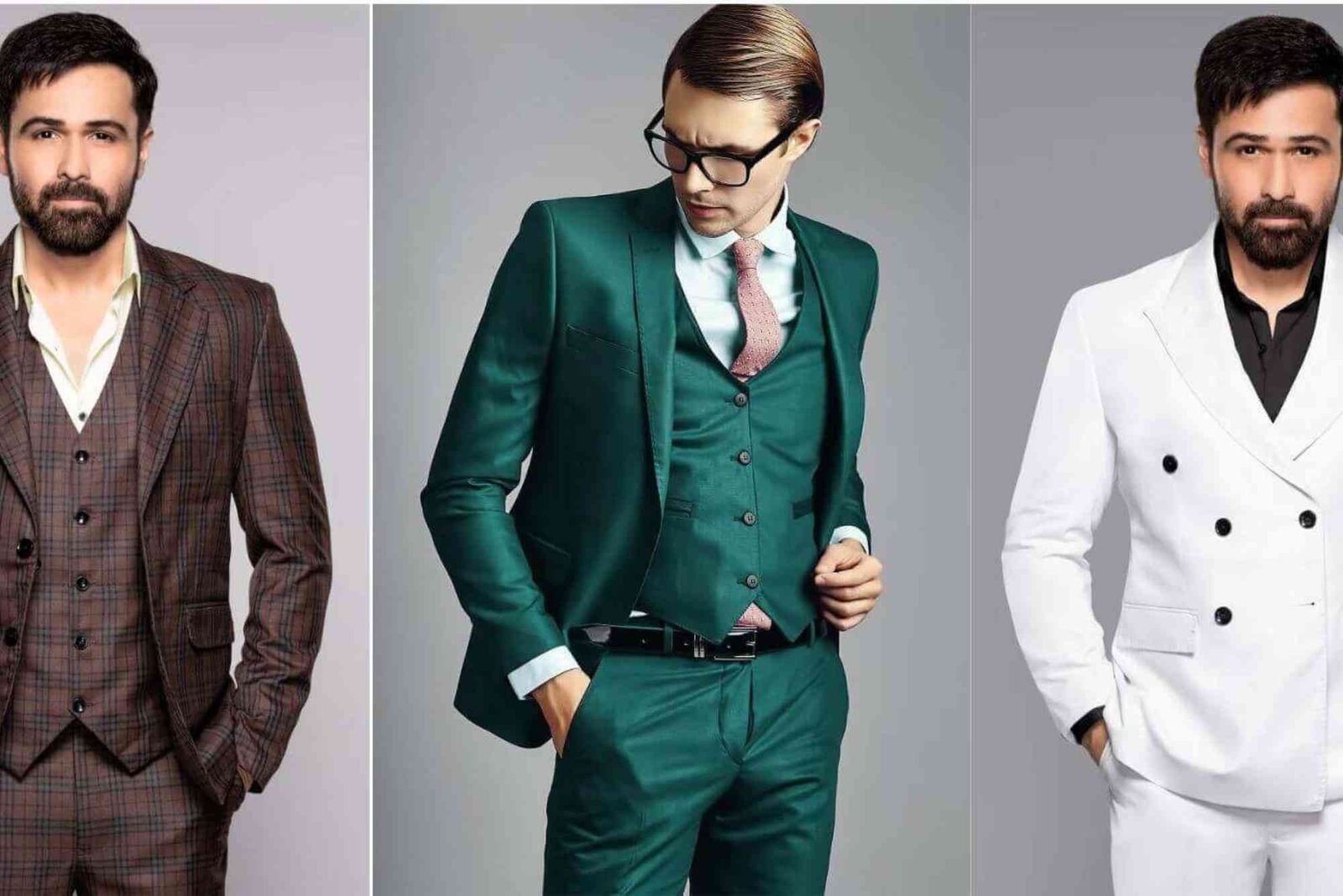
Introduction
Creating a wardrobe that feels fresh and exciting every day is a goal many strive for, but often, outfits start to feel repetitive. Mixing and matching clothes can seem intimidating, but it’s a powerful way to maximize your wardrobe, express your personality, and avoid monotony. Understanding how to combine different pieces creatively ensures you look stylish without spending hours deciding what to wear. This guide offers practical tips to mix and match outfits so they don’t look monotonous, helping you elevate your fashion game effortlessly.
Understand Your Color Palette
Color plays a vital role in creating visually appealing outfits. Choosing a consistent color palette allows you to combine pieces easily without clashing. Start by identifying a base of neutral colors such as black, white, beige, or navy. These shades serve as the foundation of your wardrobe, providing flexibility. Then, add accent colors through accessories, tops, or shoes to bring vibrancy. Knowing which colors complement each other prevents outfits from feeling repetitive while allowing you to experiment with bolder tones without fear.
Mix Neutrals with Statement Pieces
Neutrals provide a canvas for statement items like patterned skirts, bright jackets, or colorful shoes. This approach ensures that each outfit has a focal point while maintaining balance. Pairing a beige coat with a bright scarf or combining navy trousers with a patterned top can instantly make your outfit interesting. Avoid overloading your look with too many bold colors; one or two highlights per outfit often create the most stylish effect.
Incorporate Seasonal Colors
Adapting your wardrobe to seasonal colors adds freshness to your style. Pastels work well in spring, vibrant hues suit summer, warm earthy tones enhance fall, and deep shades elevate winter outfits. Seasonal adjustments can make old clothing pieces feel new and prevent your outfits from becoming monotonous throughout the year.
Play with Patterns and Textures
Combining textures and patterns is a subtle yet effective way to diversify your outfits. Textures like silk, denim, wool, and leather add depth, while patterns like stripes, florals, or checks introduce visual interest. The key is balance: pair a patterned item with a solid one or mix patterns with similar tones to maintain cohesion. Texture can also elevate a simple outfit; for example, a knit sweater with leather pants can feel modern and sophisticated.
Start Small with Patterns
If you are new to mixing patterns, begin with smaller accents such as scarves, handbags, or shoes. Gradually, you can experiment with bolder combinations, like pairing striped tops with floral skirts. This step-by-step approach helps you discover what works for your personal style without feeling overwhelmed.
Mix Different Fabrics
Pairing fabrics like silk and cotton or leather and wool can make an outfit dynamic. Different textures catch the eye and create a layered look even in simple color combinations. Experimenting with fabric combinations ensures that even familiar items feel new when worn together.
Layer Strategically
Layering is a powerful technique for making outfits versatile and visually interesting. Layers can introduce color, texture, and dimension. Start with a base layer such as a simple shirt or dress, then add jackets, cardigans, vests, or scarves. Each layer adds depth, transforming a basic outfit into a well-thought-out ensemble.
Use Different Lengths
Layering pieces of varying lengths prevents a uniform look. For example, a long cardigan over a short dress or a cropped jacket over a tunic can break monotony and highlight different aspects of your silhouette. Playing with proportions adds creativity to your outfits.
Include Functional Accessories
Accessories like belts, hats, and layered jewelry can enhance your layered outfits. Belts can redefine the shape of a loose-fitting coat, while necklaces or earrings add dimension and color. Accessories allow you to change the look of the same core clothing pieces, expanding your styling options.
Focus on Versatile Wardrobe Staples
Some items serve as a backbone for endless outfit combinations. Classic pieces like well-fitted jeans, white shirts, black trousers, neutral blazers, and simple dresses can be styled in multiple ways. Investing in versatile staples ensures that you have reliable options to mix with trendier pieces without appearing monotonous.
Combine Staples Creatively
Pairing classic items in unexpected ways keeps your outfits interesting. For instance, a white shirt tucked into patterned pants or layered under a bold sweater creates fresh looks without needing new purchases. Staples are the foundation, but how you combine them defines your style.
Rotate Footwear
Footwear can dramatically change an outfit’s vibe. Sneakers with a dress give a casual look, while heels add sophistication. Boots can make a basic outfit edgy. Rotating shoes with the same clothing pieces creates different impressions and reduces repetition.
Accessorize with Intent
Accessories are not just finishing touches; they can transform your outfit entirely. Scarves, bags, jewelry, belts, and hats allow you to inject personality and variety into every look. Choosing accessories that complement your color palette and textures makes your outfits stand out while maintaining cohesion.
Statement Accessories
A bold handbag or oversized earrings can elevate a minimalist outfit. Statement pieces draw attention and shift the focus from plain clothing to stylish details. They are ideal for creating variation without buying new clothes.
Mix Metals and Materials
Experimenting with metals and materials in your accessories can prevent monotony. Combining silver and gold jewelry or mixing leather with fabric bags adds subtle complexity. This strategy introduces small but effective visual interest to everyday outfits.
Experiment with Silhouettes
Changing silhouettes prevents your wardrobe from feeling repetitive. If you typically wear fitted clothing, introducing flowy skirts, wide-leg pants, or oversized jackets can refresh your style. Silhouette experimentation also allows you to highlight different parts of your body and create more flattering proportions.
Balance Oversized and Fitted
Pairing an oversized top with fitted bottoms or vice versa ensures your outfit remains balanced. This contrast keeps your look intentional and avoids appearing shapeless. Silhouette play adds dimension, making outfits more visually appealing.
Layered Silhouettes
Combining different lengths and shapes through layering enhances the depth of your outfit. A long vest over a cropped sweater or a high-waist skirt with a tucked-in blouse can make simple clothing pieces feel dynamic and polished.
Revive Old Clothes Creatively
Wardrobes often contain items that feel boring because we wear them the same way repeatedly. By mixing and matching these pieces with different companions, you can breathe new life into old favorites. Pair a classic skirt with a modern top, or style vintage shirts with contemporary accessories to avoid monotony.
Alter Accessories and Styling
Even small changes, like knotting a shirt, rolling up sleeves, or tucking in differently, can create noticeable differences. Altering the styling of old items makes your wardrobe feel fresh without extra expense.
Combine Unlikely Pieces
Sometimes, pairing items that wouldn’t traditionally go together leads to surprisingly stylish outcomes. Mixing casual and formal pieces or contrasting fabrics can add personality and prevent your wardrobe from feeling repetitive.
Embrace Personal Style
Ultimately, the key to avoiding monotonous outfits is understanding your personal style. Mixing and matching works best when it reflects who you are. Experiment, observe which combinations resonate with you, and don’t be afraid to step outside comfort zones. Personal style ensures your outfits remain authentic, intentional, and interesting.
Confidence Enhances Outfits
No matter how carefully you mix and match, confidence is the final touch. Wearing clothes with self-assurance makes even simple outfits look intentional and polished. Believing in your style choices adds energy and presence, keeping your wardrobe from ever feeling monotonous.
Regular Wardrobe Review
Periodically reviewing your wardrobe helps you identify pieces that need refreshing, new accessories, or combinations you may have overlooked. A thoughtful review ensures that mixing and matching continues to feel exciting rather than repetitive.
Mixing and matching outfits doesn’t have to be complicated. By focusing on color palettes, textures, layering, versatile staples, accessories, and silhouettes, you can create fresh, stylish looks every day. Reviving old pieces, experimenting with combinations, and staying true to your personal style ensures your wardrobe never feels monotonous. Start small, experiment strategically, and enjoy the process of discovering new outfits within your existing collection. Embrace creativity, and let your wardrobe reflect your personality and flair.
Elevate your style today by rethinking how you combine your wardrobe essentials and experiment with new, exciting ways to mix and match outfits. You’ll be amazed at how vibrant and versatile your daily looks can become.
Healthy, smooth skin requires consistent care and attention. Simple steps like daily moisturizing, gentle exfoliation, staying hydrated, and protecting your skin from harsh sun exposure can make a big difference. Choosing natural skincare products and maintaining a balanced diet rich in vitamins also supports skin health. For more practical advice and expert tips on keeping your body skin soft and radiant, check out Tips for Caring for Body Skin to Keep It Smooth.
FAQ
How can I mix patterns without looking too busy?
Start by pairing one bold pattern with neutral or solid pieces. Gradually mix patterns with similar colors to create balance.
What are the best accessories to refresh old outfits?
Scarves, belts, bags, shoes, and jewelry can transform a simple outfit. Statement pieces add personality and prevent monotony.
How do I choose colors for mixing outfits?
Build a base with neutral tones and add accent colors. Complementary colors and seasonal tones create visual interest.
Can layering really prevent monotony?
Yes. Layers of different lengths, fabrics, and textures add depth and dimension, making familiar pieces feel new.
What’s the easiest way to experiment with silhouettes?
Pair oversized items with fitted ones or mix different lengths. This contrast enhances your look and prevents repetition.