
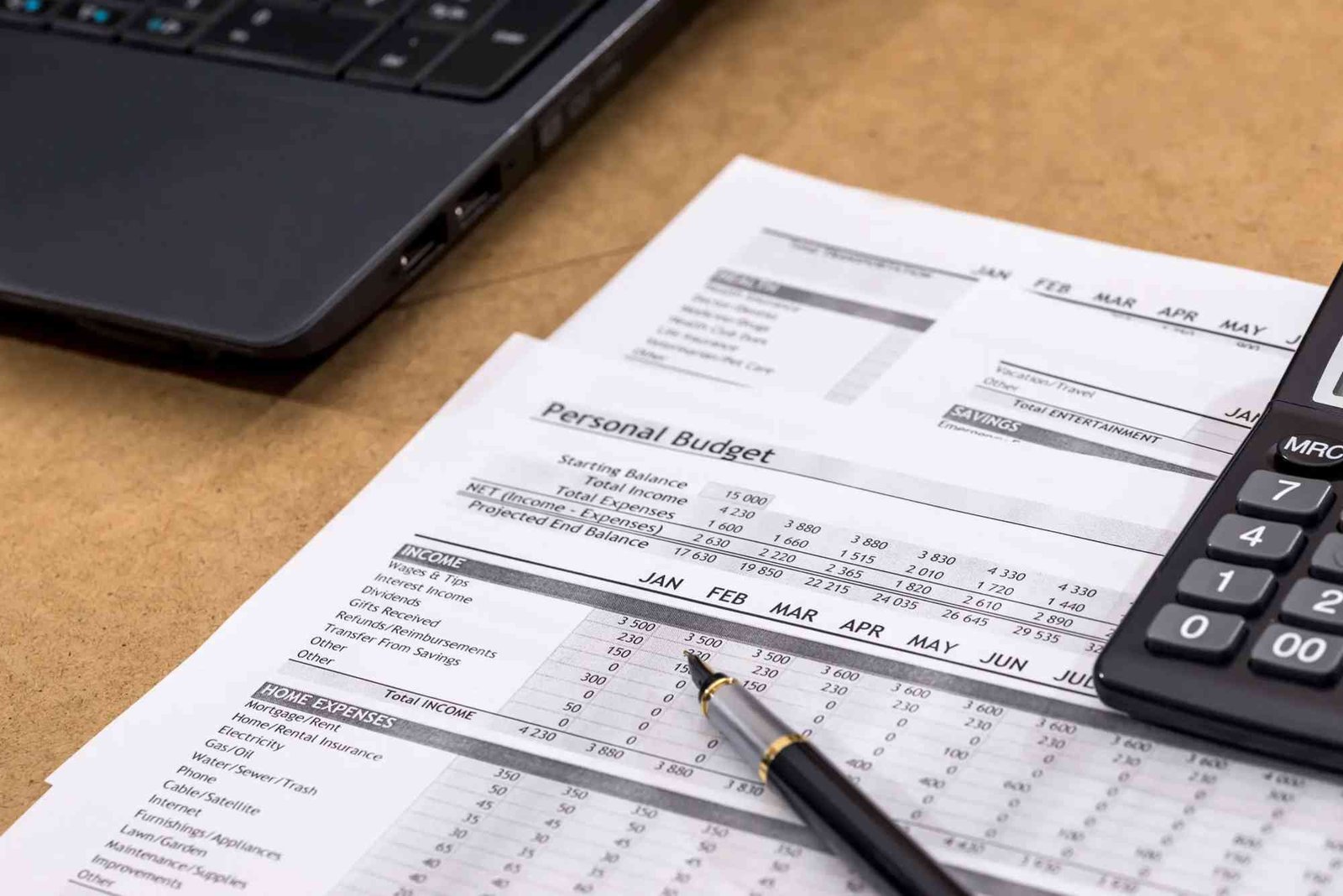
Managing expenses is one of the biggest challenges for small business owners. Many businesses struggle not because of low sales but because costs are high without proper control. In this article, we’ll discuss tips to manage small business expenses that are realistic, effective, and easy to implement. With the right strategies, you can maintain healthy cash flow, increase profits, and reduce financial stress.
Managing expenses is not just about cutting costs. It’s also about making smart decisions, choosing the right investments, and understanding the numbers thoroughly. When you understand how money flows in your business, expenses become tools for growth rather than burdens. This guide helps you do that systematically and practically.
Creating a Quality Budget for Small Businesses
A budget is the foundation of tips to manage small business expenses. Without a clear budget, it’s difficult to know where your money goes and how to control unnecessary spending.
Why Budgeting Matters
Every business should have a budget that reflects actual revenue and costs. A budget helps estimate expenses, set limits, and monitor cost realization. Without one, spending decisions are often impulsive and not data-driven. A good budget keeps you on track toward your long-term financial goals.
However, creating a budget isn’t just writing numbers. You must consider details and the realities of your business. Estimated revenue should be realistic, and each cost item should be reviewed regularly. When your team understands the budget, they are more accountable for using company funds wisely.
How to Define Budget Categories
Budget categories should cover the main needs of your business. For example, operational costs such as rent, utilities, and salaries should be top priority. Marketing and technology costs should be allocated according to your growth strategy.
Always set aside a contingency fund for unexpected situations. This fund should not be used for unplanned expenses, as its purpose is to maintain stability during changing conditions. Regular monthly budget evaluations can reveal hidden savings opportunities that were previously unnoticed.
Understanding Cash Flow in Depth
Cash flow is often the key indicator of a business’s financial health. Many small businesses fail not because of losses, but because their cash flow is unstable.
Cash Inflows vs. Cash Outflows
Cash inflows include all revenue from sales, services, or other sources, while cash outflows are all expenses required to run the business. The key to tips to manage small business expenses is keeping outflows below inflows.
Record all transactions in detail. Accounting apps like QuickBooks or Wave help track income and expenses in real time. Understanding cash flow patterns allows you to act early if a negative trend appears.
Cash Flow Projections for Financial Decisions
Cash flow projections help plan for the future. They show when large expenses will occur and when revenue typically increases. This allows you to schedule bill payments, material purchases, or business expansions efficiently.
Projections are also useful when seeking business loans. Lenders review cash flow projections to assess your ability to repay. Therefore, ensure your projections are clear, realistic, and based on historical financial data.
Reviewing and Reducing Operational Costs
Once you understand your budget and cash flow, the next step in tips to manage small business expenses is reducing operational costs without sacrificing quality.
Evaluate Contracts and Service Providers
Many small businesses continue paying high fees because they haven’t reviewed contracts with suppliers or vendors. Consider renegotiating contracts or seeking more affordable alternatives. For instance, office supplies or cloud services may offer discounts for long-term subscriptions.
Regularly comparing prices can reveal more economical options without reducing service quality. Periodic evaluations help keep expenses efficient over time.
Save on Energy and Resources
Utility costs such as electricity, internet, and water can add up if unmanaged. Using energy-efficient technology, like LED lighting or devices with low-power modes, can significantly reduce expenses long-term.
Additionally, encourage simple cost-saving habits among your team, such as turning off unused devices and managing room temperature wisely. Small habits like these help reduce previously unnoticed costs.
Controlling Marketing Expenses
Marketing is essential for growth but can also become one of the largest expenses if not managed carefully.
Focus on Measurable Digital Marketing
Digital marketing offers small businesses opportunities at a relatively low cost with measurable results. Platforms like Google Ads, social media, and email campaigns allow you to reach customers without expensive traditional ads.
However, ensure every campaign has clear goals and metrics. Avoid spending without knowing if the cost yields value. Use analytics to identify the most effective strategies.
Testing and Evaluation
Effective marketing strategies often come from trial and error. Start with small budgets for different campaigns, then evaluate results to optimize fund allocation. This is a key part of tips to manage small business expenses, as it reduces the risk of unproductive spending.
Managing Employee Salaries and Incentives Wisely
Employees are valuable assets, but salaries and benefits must be planned to avoid overburdening finances.
Salary Structure Linked to Performance
Providing fair compensation is important for motivation. Adding performance-based incentives ensures labor costs remain manageable while the business grows. Incentives make employees feel valued and motivated to achieve targets.
Remember, employee costs aren’t only monthly salaries. Benefits like healthcare or annual bonuses should be included in the overall budget. Careful planning ensures financial stability.
Outsourcing for Efficiency
Functions like IT, design, or accounting can be outsourced to reduce fixed costs. With outsourcing, you pay for services as needed without full-time staff. This approach suits small businesses not ready for permanent hires in specialized areas.
Leveraging Technology for Financial Automation
Technology plays a critical role in improving expense management in today’s digital era.
Accounting and Bookkeeping Software
Accounting apps not only record transactions but also generate financial reports automatically. These reports reveal spending trends, cash flow projections, and potential waste. Real-time financial reports allow faster, more accurate decision-making.
Many modern tools integrate invoicing and payment systems, streamlining administrative work. Automation reduces manual tasks, letting your team focus on business growth.
Team Collaboration Tools
Tools like Trello, Slack, or Asana help teams collaborate without physical meetings, saving time and costs. Efficient communication reduces mistakes and improves productivity, cutting unnecessary coordination expenses.
Regular Evaluation and Financial Strategy Adjustments
Business conditions change over time. Therefore, tips to manage small business expenses must include periodic evaluation and strategy adjustments.
Monthly and Annual Reviews
Financial evaluations should occur monthly and annually. Monthly reviews track budget performance, cash flow, and allow quick strategy adjustments. Annual reviews give a comprehensive view of business growth and financial direction.
Evaluation identifies successful areas and areas needing improvement. Decisions are then data-driven rather than guesswork.
Follow-Up After Evaluation
After reviewing finances, create an action plan. If costs are too high, develop strategies to reduce them. If certain investments are profitable, consider increasing their budget. Evaluation combined with follow-up is the core of effective expense management.
Organizing Expenses for a Healthy Business Future
Managing expenses is not a one-time task but an ongoing process requiring discipline, data, and strategy. By understanding cash flow, creating realistic budgets, reviewing operational costs, and leveraging technology for automation, small businesses can achieve financial stability.
The best step is to start today. Review your budget, evaluate expenses, and implement the tips in this guide to see meaningful improvements in your business finances.
For more in-depth financial management strategies or ready-to-use budget templates for small businesses, contact us and join a community of small business owners. We are here to help you grow financially and sustainably.
FAQ – Common Questions About Small Business Expenses
What are operational expenses in small business?
Operational expenses include all costs required to run daily business activities, such as rent, salaries, utilities, and raw materials.
How can I track business expenses effectively?
Use accounting software to record transactions in real time and conduct monthly reviews to analyze spending trends.
Is it important to create a monthly budget?
Absolutely. A budget helps prioritize spending and keeps cash flow healthy.
What are strategies to reduce marketing costs?
Focus on measurable digital marketing and test campaigns with small budgets before scaling.
How should unexpected expenses be handled?
Set aside an emergency fund in your budget to manage sudden costs without disrupting operations.
How to Create the Right Advertising Strategy – Crafting an effective advertising strategy starts with understanding your target audience, defining campaign goals, and choosing the right platforms. Analyzing data and market trends helps create engaging content, while regular testing and evaluation ensure ads stay relevant and deliver optimal results.