
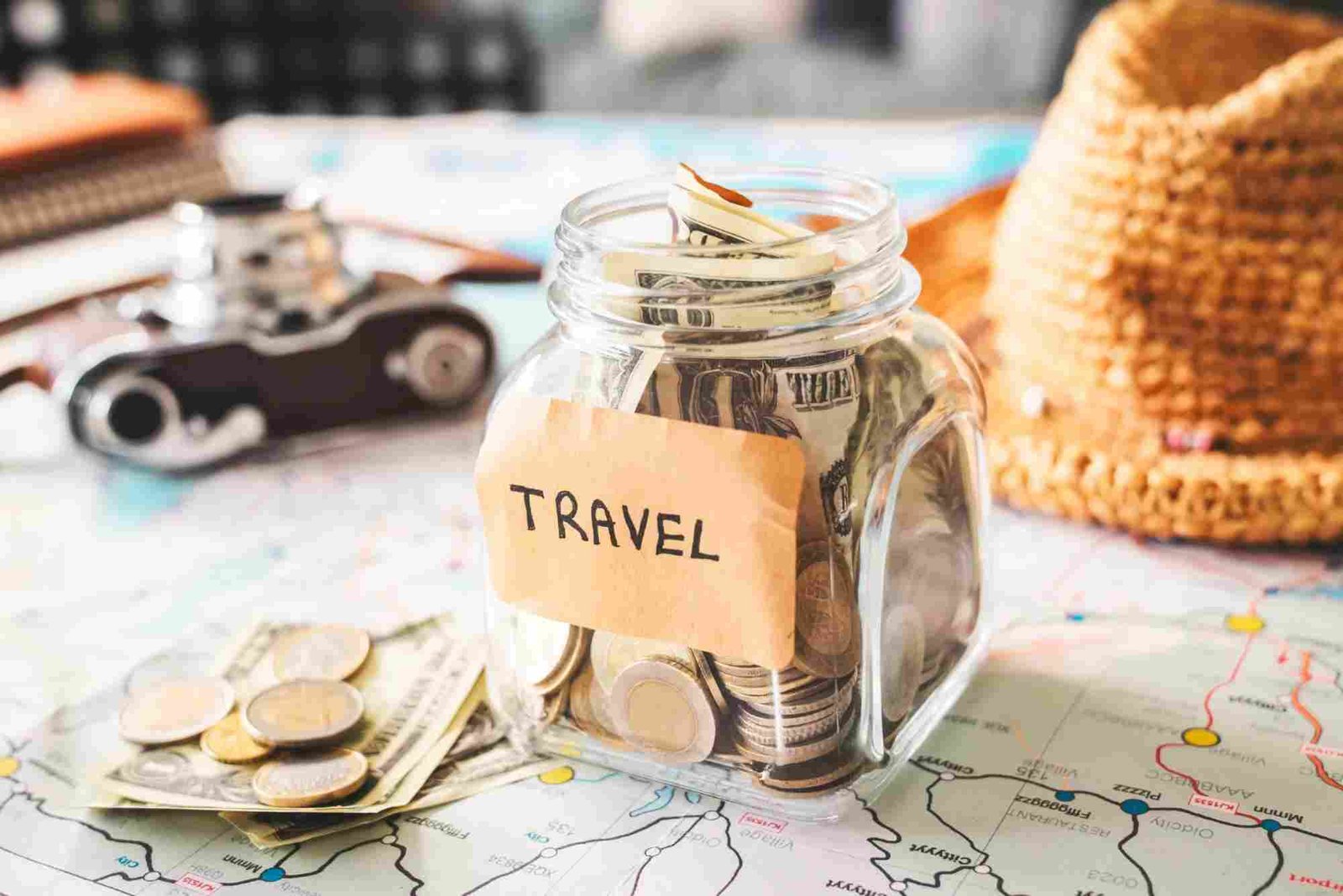
Traveling is one of life’s greatest joys, but without careful planning, expenses can quickly spiral out of control. Learning tips for managing a travel budget allows travelers to enjoy adventures without financial stress. From planning flights to choosing accommodations, a strategic approach ensures every dollar is well spent while creating memorable experiences.
Understanding Your Travel Budget
Before embarking on a trip, understanding your finances is essential. A clear picture of income, savings, and allowable expenses helps define a realistic travel budget.
Assess Your Current Finances
Review your bank accounts, savings, and monthly obligations. Knowing what you can realistically spend avoids overspending and prevents debt accumulation during travel.
Set a Total Budget
Determine the total amount you are willing to allocate for the trip. Include transportation, accommodation, food, activities, and a contingency fund for emergencies.
Prioritize Expenses
Decide which aspects of your trip matter most. For example, spending more on unique experiences might mean saving on meals or souvenirs.
Planning Transportation Costs
Transportation is often the largest travel expense. Smart planning can save significant amounts.
Book Flights Early
Airfare usually increases closer to departure dates. Booking flights months in advance often yields the best deals. Flexible travel dates can further reduce costs.
Consider Alternative Transport
Explore buses, trains, or shared rides instead of flights for shorter trips. These options are often cheaper and allow a more immersive experience of local culture.
Use Reward Programs
Airline miles, credit card points, and loyalty programs can offset transportation costs. Regular travelers should consider signing up for travel reward schemes.
Choosing Affordable Accommodations
Accommodation can consume a large portion of your budget, but there are ways to balance comfort and cost.
Compare Options
Use multiple platforms to compare prices for hotels, hostels, and vacation rentals. Read reviews to ensure value for money without compromising safety.
Consider Alternative Lodging
Hostels, guesthouses, and home-sharing platforms offer budget-friendly alternatives to traditional hotels. Long-term stays often qualify for discounts.
Location Matters
Choosing accommodation slightly away from tourist hotspots can reduce costs without affecting convenience. Always factor in transport expenses to nearby attractions.
Saving on Food and Dining
Food is a recurring daily expense, and thoughtful planning can minimize costs without sacrificing taste.
Cook When Possible
Staying at places with kitchen facilities allows preparing meals. Shopping at local markets is cheaper than eating at restaurants daily.
Try Local Street Food
Street food offers authentic experiences at affordable prices. Avoid tourist traps that charge premium prices for standard dishes.
Limit Luxury Dining
Reserve fine dining for special occasions rather than daily meals. Small savings here accumulate significantly over a trip.
Planning Activities and Attractions
Activities and entry fees can quickly exceed your planned budget if not managed wisely.
Research Free or Low-Cost Options
Many cities offer free walking tours, museums with free days, and public events. These provide enriching experiences at little to no cost.
Book in Advance
Some attractions offer online discounts or early bird tickets. Booking ahead can prevent paying premium prices on-site.
Avoid Impulse Purchases
Souvenirs and local trinkets can add up. Set a spending limit to enjoy shopping without overshooting your budget.
Tracking Your Spending
Monitoring expenses during travel ensures you stay within budget and avoid surprises.
Use a Travel Budget App
Apps allow real-time tracking of expenses, categorize spending, and alert you when approaching limits.
Keep a Daily Log
Writing daily expenses in a notebook or spreadsheet creates awareness of spending patterns. Adjust activities accordingly if you exceed daily limits.
Review Weekly
Assessing your budget weekly helps make informed adjustments for the remaining trip duration.
Tips for Saving on Travel Insurance
Travel insurance is essential but can also be optimized to save money.
Compare Policies
Different insurers offer varying coverage and pricing. Compare policies to ensure you get value for money.
Choose Only Necessary Coverage
Select coverage that aligns with your travel risks, avoiding unnecessary add-ons that increase costs.
Purchase Early
Booking insurance at the same time as flights often reduces premiums and protects against last-minute cancellations.
Using Technology to Your Advantage
Modern technology offers numerous tools to manage and optimize your travel budget efficiently.
Price Alert Tools
Websites and apps track flight and accommodation prices. Alerts notify you when costs drop.
Currency Conversion Apps
These apps prevent overspending by providing real-time exchange rates and tracking foreign transactions.
Budget Planning Tools
Spreadsheets, apps, and digital wallets help organize spending categories, ensuring efficient allocation throughout your trip.
Effectively managing a travel budget is about careful planning, smart spending, and conscious choices. By understanding finances, choosing affordable transport and accommodation, planning meals and activities, and tracking expenses, travelers can enjoy adventures without financial stress. Implement these tips for managing a travel budget and make every trip memorable and affordable. Start planning your next journey wisely and travel smarter today.
indon.id adalah platform digital informatif yang menyajikan berbagai konten terkini seputar teknologi, gaya hidup, bisnis, dan informasi populer lainnya. Dengan tampilan sederhana dan mudah diakses, indon.id menjadi sumber bacaan yang relevan bagi pengguna yang ingin mendapatkan wawasan terpercaya, ringkas, dan up-to-date dalam satu tempat.
FAQs
How can I stick to my travel budget?
Track expenses daily, prioritize spending, and use apps to monitor and categorize costs in real time.
What is the best way to save on flights?
Book early, remain flexible with travel dates, and use reward points or loyalty programs to reduce airfare.
How do I manage food costs while traveling?
Cook meals when possible, enjoy street food, and limit dining at luxury restaurants.
Are hostels safe and worth the cost?
Yes, many hostels offer safety measures and community experiences at a fraction of hotel prices.
How can I avoid overspending on souvenirs?
Set a strict spending limit, focus on meaningful purchases, and avoid tourist traps with inflated prices.
Is travel insurance necessary for budget travel?
Absolutely. Opt for essential coverage to protect against emergencies without paying for unnecessary add-ons.
Can technology really help manage travel expenses?
Yes, apps and tools can track spending, alert you to deals, and provide insights to optimize your travel budget.