
Introduction
Owning a car is more than just having a convenient mode of transportation. Your daily car is an investment that, if properly maintained, can last years longer and save you significant repair costs. Many drivers overlook routine care, focusing only on fuel and occasional cleaning. However, understanding the essentials of maintenance not only keeps your vehicle reliable but also protects your wallet. In this guide, we will explore practical tips for maintaining your daily car to make it last longer and save costs, helping you enjoy smoother rides and fewer unexpected breakdowns.
Understanding the Importance of Regular Maintenance
A car is a complex system of interconnected parts. Neglecting small issues can escalate into costly repairs. For instance, a worn-out brake pad, if left unchecked, may damage the rotor, leading to an expensive replacement. Regular maintenance prevents such scenarios. It ensures all components function optimally, extending the car’s life. Moreover, well-maintained cars are more fuel-efficient and environmentally friendly. By following the right care strategies, you can maximize performance and minimize unnecessary expenses.
Monitor Fluids Consistently
Fluids are the lifeblood of your car. Engine oil, transmission fluid, brake fluid, coolant, and power steering fluid all play critical roles in keeping your vehicle running smoothly. Checking fluid levels regularly can prevent severe engine or transmission damage. Engine oil, for instance, lubricates moving parts and prevents overheating. Low or dirty oil reduces efficiency and increases wear. Similarly, maintaining the coolant prevents the engine from overheating, which can lead to catastrophic failures. Make it a habit to inspect fluids monthly or as recommended by your car’s manual.
Pay Attention to Tire Care
Tires are more than just rubber on wheels—they directly affect safety, fuel efficiency, and handling. Maintaining the right tire pressure ensures better fuel economy and prevents premature wear. Uneven tire wear can indicate alignment or suspension issues, which, if ignored, may result in costly repairs. Regularly rotating tires helps distribute wear evenly, extending their lifespan. Checking for visible damage, punctures, or sidewall cracks also prevents sudden blowouts and maintains your car’s safety on the road.
Keep the Brakes in Check
Your car’s braking system is crucial for safety. Worn-out brake pads, damaged rotors, or low brake fluid can compromise stopping power. Regular inspections allow you to detect issues early, avoiding accidents and expensive repairs. Listen for unusual noises such as squealing or grinding, which indicate brake wear. Additionally, avoid riding the brakes unnecessarily and maintain smooth braking habits to prolong the system’s lifespan. Proper brake maintenance is not only a cost-saving strategy but also a life-saving measure.
Maintain the Battery Properly
A car battery is essential for starting the engine and powering electronics. Extreme temperatures, corrosion on terminals, and neglect can shorten battery life. Cleaning terminals and ensuring a tight connection helps prevent starting problems. Regularly testing the battery’s voltage ensures it is holding a charge efficiently. If your battery is older than three to five years, consider a replacement before it fails unexpectedly. A healthy battery reduces the risk of roadside emergencies and the costs associated with towing or replacements.
Practice Safe Driving Habits
How you drive significantly impacts your car’s longevity. Aggressive acceleration, hard braking, and high-speed driving put excessive stress on the engine, brakes, and suspension. Gentle acceleration and braking reduce wear and fuel consumption. Avoid overloading your vehicle as it strains the engine and suspension, leading to premature damage. Following traffic rules, driving at moderate speeds, and maintaining a steady pace can drastically improve your car’s lifespan and decrease maintenance costs over time.
Keep the Exterior and Interior Clean
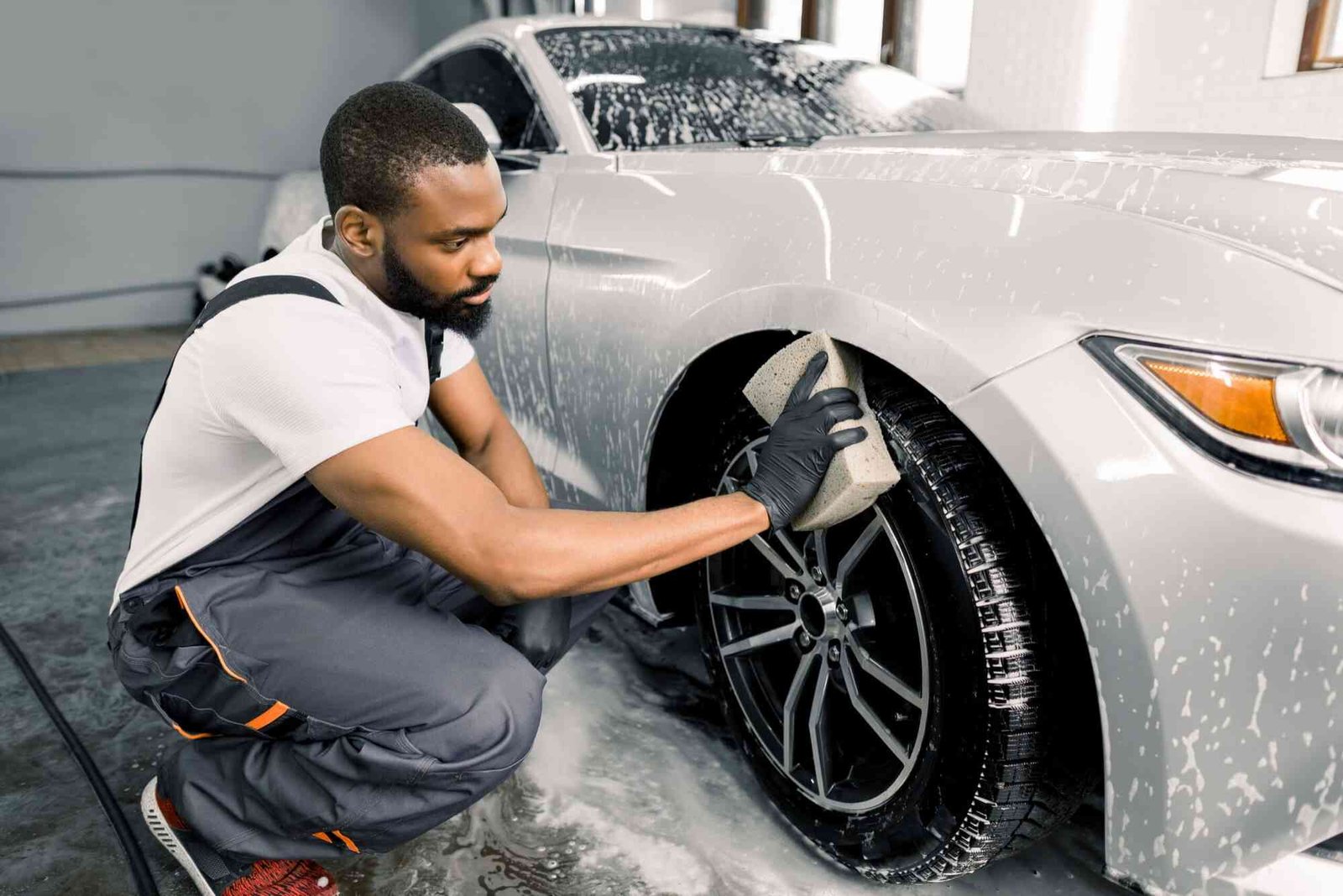
A clean car is more than just visually appealing—it prevents long-term damage. Dirt, grime, and road salts can corrode the paint and metal surfaces. Regular washing and waxing protect the exterior and maintain the resale value. Inside the vehicle, cleaning carpets, upholstery, and dashboard reduces wear and prevents bad odors. Protecting interior surfaces from sunlight and moisture preserves leather and plastics, keeping the cabin comfortable and durable. Cleanliness also allows you to spot early signs of damage such as scratches, dents, or leaks.
Inspect Belts and Hoses Regularly
Belts and hoses are critical to your car’s operation. They manage power distribution to essential components like the alternator, water pump, and air conditioning system. Cracks, fraying, or looseness can lead to severe engine problems. Regular inspection and timely replacement of worn belts and hoses prevent sudden breakdowns. Many car owners underestimate these components, but ignoring them can result in overheating or complete engine failure. Monitoring these elements is an inexpensive way to avoid costly repairs.
Pay Attention to the Cooling System
The cooling system prevents the engine from overheating. Radiators, water pumps, and coolant levels must be checked periodically. Flushing the coolant and replacing it according to manufacturer recommendations prevents corrosion and buildup. An overheated engine can warp components, damage gaskets, and even seize the engine completely. A properly maintained cooling system ensures optimal engine performance and protects your car from expensive repairs caused by neglect.
Change Filters as Needed
Filters play a vital role in protecting your engine and ensuring clean air circulation. Engine air filters, fuel filters, and cabin air filters all need regular replacement. A clogged air filter reduces engine efficiency and fuel economy. Dirty fuel filters can affect fuel injection, leading to poor performance or stalling. Cabin filters keep the air inside the car clean, improving comfort. Replacing these filters on schedule prevents strain on the engine, saves fuel, and prolongs overall vehicle life.
Pay Attention to Suspension and Alignment
The suspension system impacts ride quality, handling, and tire wear. Worn shocks, struts, or bushings can cause uneven tire wear and compromise safety. Regular inspections and proper wheel alignment ensure smooth handling and reduce tire replacement costs. Suspension maintenance also protects other components, including steering systems and brakes, from unnecessary stress. Maintaining proper alignment and suspension not only keeps your car comfortable to drive but also saves money by preventing premature component failure.
Avoid Ignoring Warning Lights
Modern vehicles come equipped with sensors and warning systems that alert drivers to potential issues. Ignoring these lights can turn minor problems into major repairs. Check engine lights, ABS warnings, or low oil alerts should be addressed immediately. Early detection prevents catastrophic failures and reduces repair expenses. Always refer to your car’s manual or a trusted mechanic to diagnose warning indicators. Prompt attention to these alerts ensures reliability and extends your car’s lifespan.
Keep Records of Maintenance
Documenting your car’s maintenance history is more than a formality. It helps track when services like oil changes, tire rotations, and filter replacements were last performed. Consistent records ensure timely servicing and help identify patterns that may indicate potential problems. Additionally, maintenance records enhance resale value, showing prospective buyers that the car was well cared for. Staying organized with maintenance also prevents unnecessary repairs and ensures a proactive approach to car care.
Plan Regular Professional Checkups
Even with diligent personal care, professional inspections are invaluable. Mechanics can spot issues that are difficult for everyday drivers to notice. Regular checkups for brakes, suspension, engine diagnostics, and fluids ensure all components are in optimal condition. A professional evaluation can prevent minor problems from escalating and save you from costly breakdowns. Scheduling checkups annually or according to your car’s manual is a wise investment in long-term reliability.
Fuel Efficiency Practices
How you use fuel affects both costs and the car’s longevity. Avoid idling for long periods, as it wastes fuel and strains the engine. Maintaining consistent speeds on highways improves efficiency, while rapid acceleration and heavy loads reduce mileage. Choosing quality fuel and adhering to recommended octane levels prevents engine knocking and enhances performance. These small adjustments in driving behavior translate into lower fuel expenses and longer-lasting engine health.
Prioritize Care to Save Money
Maintaining your daily car requires attention, discipline, and consistency. By monitoring fluids, caring for tires, following safe driving habits, and keeping up with professional checkups, you can significantly extend your car’s lifespan while saving on costly repairs. The effort you invest today in proper maintenance ensures reliable transportation and protects your financial investment tomorrow. Remember, your car will reward careful care with years of smooth performance and fewer unexpected expenses. Take charge of your car’s health and make maintenance a routine priority.
Call to Action: Don’t wait for problems to arise. Start implementing these maintenance tips today to make your daily car last longer, perform better, and save money on repairs. Your future self—and your wallet—will thank you.
Choosing a reliable car workshop is essential to keep your vehicle safe and in top condition. Look for certified mechanics, check reviews, and ensure transparent pricing. A trusted workshop offers quality service, genuine parts, and timely repairs. Always prioritize experience and customer feedback to avoid unexpected issues and maintain your car’s performance. For expert guidance, explore our detailed tips here: Tips for Choosing a Trusted Car Workshop.
FAQ
How often should I change my engine oil?
Engine oil should generally be changed every 5,000–10,000 kilometers, depending on your car’s make and driving conditions. Check your manual for specifics.
Can I maintain my car myself or do I need a mechanic?
Basic tasks like checking fluids, tire pressure, and cleaning can be done at home. However, professional inspections are crucial for complex systems like brakes, transmission, and suspension.
What is the best way to improve fuel efficiency?
Drive smoothly, avoid excessive idling, maintain proper tire pressure, and use recommended fuel types to maximize efficiency.
How can I tell if my brakes need attention?
Squealing, grinding, or longer stopping distances are signs your brakes need inspection. Don’t ignore warning sounds.
Do I really need to keep maintenance records?
Yes. Records help track service history, ensure timely maintenance, and increase resale value by proving your car was well cared for.
Is it worth spending money on regular professional checkups?
Absolutely. Early detection of problems can prevent costly repairs, improve safety, and extend your car’s lifespan.