Introduction
Choosing the right products for active children can feel overwhelming for parents and caregivers. Active kids have unique needs that differ from more sedentary children. From clothing and footwear to toys and educational tools, selecting products that support their energy, safety, and development is essential. Understanding what makes a product suitable can save time, money, and potential stress while ensuring your child thrives. In this article, we will explore practical tips for choosing consumer products for active children, helping parents make informed decisions with confidence.
Understanding Your Child’s Activity Needs
Active children often require products that accommodate their energy levels, growth, and interests. Understanding the type of activities your child engages in is the first step. Are they constantly running and climbing? Do they enjoy sports like soccer, swimming, or cycling? Or do they prefer creative physical play, such as dancing, building, or obstacle courses? Each child’s activity pattern will influence the type of products that best suit their needs.
Parents should observe their child’s daily routines and preferences before shopping. Not every product marketed for children is appropriate for highly active kids. A pair of shoes that looks stylish may not provide the support required for constant movement. Similarly, a toy that seems educational may frustrate a child who craves physical activity. Understanding your child’s unique energy profile ensures that the products you choose will enhance their experience rather than limit it.
Prioritizing Safety and Durability
Safety is the foremost consideration when choosing products for active children. Kids who are constantly on the move are more likely to encounter falls, bumps, and accidents. Products should meet established safety standards and be free from hazardous materials. Check for certifications, such as ASTM, CE, or local regulatory marks, depending on your region. These marks indicate that the product has been tested for safety.
Durability is equally important. Active children tend to wear out products quickly, from shoes to sports equipment. Look for materials that can withstand repeated use without breaking or losing function. Reinforced stitching, high-quality plastics, and impact-resistant materials are all indicators of durable products. A product that lasts longer not only ensures your child’s safety but also offers better value for money.
Selecting the Right Footwear and Clothing
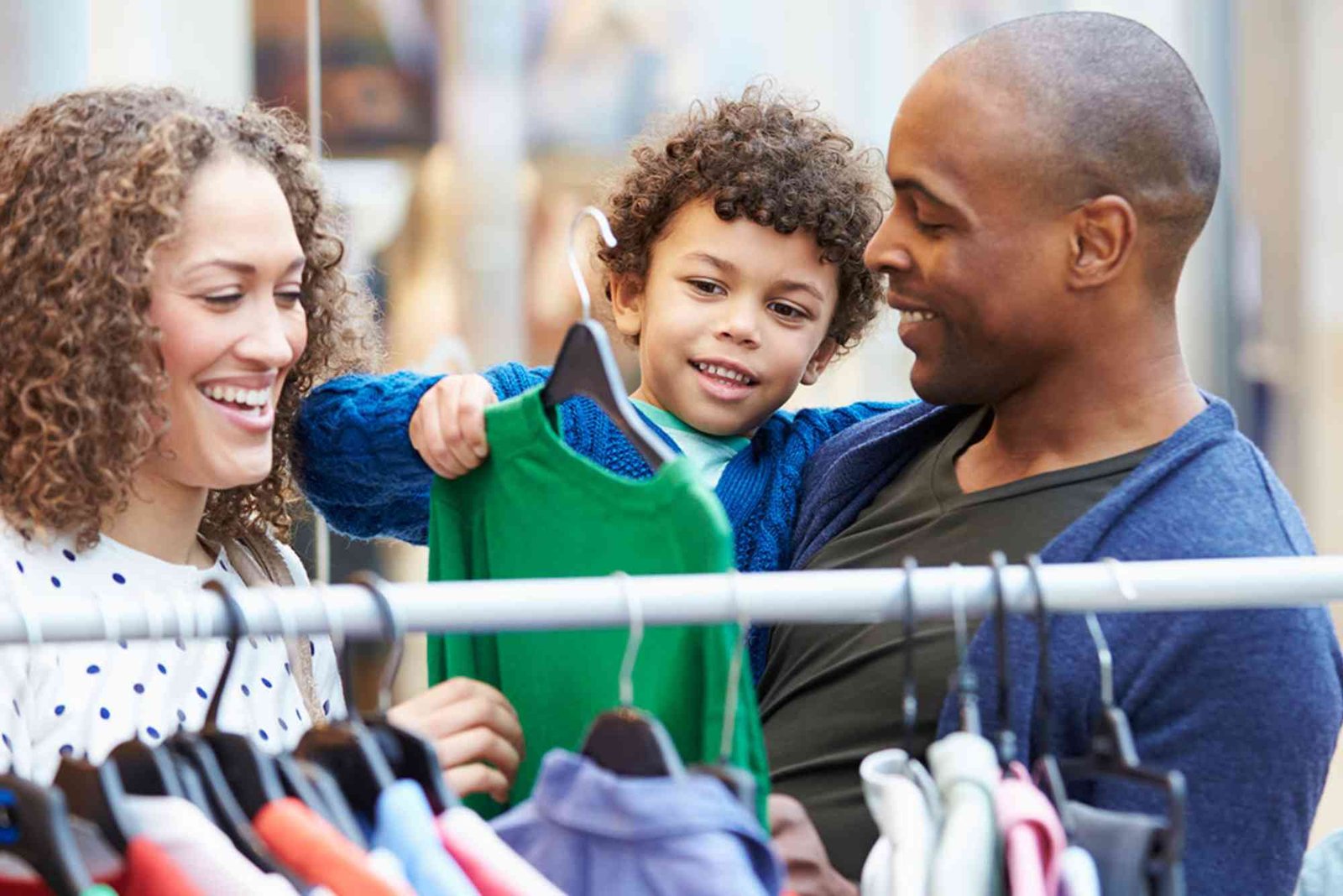
Footwear and clothing are critical for active children, as they directly impact comfort, mobility, and safety. Shoes should fit well, offer adequate support, and allow for natural movement. Breathable materials help prevent discomfort and sweat-related issues, while slip-resistant soles reduce the risk of falls.
When choosing clothing, consider fabrics that are flexible, breathable, and easy to clean. Active children often get dirty quickly, so machine-washable and stain-resistant fabrics are a practical choice. Look for clothing that allows a full range of motion without being too tight or restrictive. Products that balance comfort, durability, and style will encourage your child to be active without hindrance.
Considering Age-Appropriate and Developmental Factors
Choosing products that match your child’s age and developmental stage is vital. Children develop motor skills, coordination, and cognitive abilities at different rates. A toy or piece of equipment that is too advanced may cause frustration or safety risks, while one that is too simple might not engage them sufficiently.
Age recommendations on product labels are helpful, but also consider your child’s individual development. For example, a climbing frame designed for older children may be unsafe for younger toddlers, even if they are highly active. Selecting products aligned with both age and developmental needs ensures that your child benefits fully from the product.
Emphasizing Educational and Creative Value
While physical activity is essential, products that stimulate creativity, problem-solving, and learning are equally valuable. Educational toys, sports that incorporate strategy, or interactive games that challenge coordination all support a child’s mental and physical growth.
For active children, combining education with movement is particularly effective. Items like balance bikes, interactive sports kits, or building sets that involve physical play encourage them to be active while learning new skills. By choosing products that foster both learning and energy expenditure, parents can support holistic development.
Evaluating Product Reviews and Recommendations
Before purchasing consumer products for active children, reading reviews and seeking recommendations is crucial. Parents often share valuable insights about real-world performance, durability, and safety. Look for reviews that provide specific examples of how the product performed with energetic kids.
Professional reviews from parenting websites or consumer safety organizations can also be helpful. These often highlight safety features, material quality, and age-appropriateness. Combining user reviews with expert guidance gives a comprehensive perspective, helping you make informed choices that suit your child’s activity level.
Considering Practical Features and Convenience
Practicality is another important factor for parents when selecting products for active children. Products that are easy to use, store, or maintain reduce stress and improve daily routines. Features like adjustable sizes, lightweight materials, or modular components make products more adaptable as children grow.
Convenience also includes ease of cleaning. Active children are more likely to get products dirty, so items that can be easily wiped down or washed save time and effort. Products that integrate practical design with safety and fun are more likely to be used consistently and effectively.
Budget and Value Considerations
Budget is always a consideration for parents. High-quality products may cost more initially but often provide better durability and safety, reducing replacement costs in the long run. Consider the product’s lifespan, versatility, and the potential for multiple uses when evaluating value.
It’s also possible to find affordable alternatives without compromising safety. Comparing multiple brands, checking for sales, and considering second-hand options for high-quality items are ways to maximize value while ensuring your child has products suitable for active play.
Encouraging Responsibility and Independence
Products that promote responsibility and independence are especially beneficial for active children. Items that allow children to dress themselves, manage their gear, or safely engage in physical activities help build confidence.
For example, sports equipment that can be easily handled and stored independently encourages kids to take ownership of their playtime. Educational games that require problem-solving or collaboration foster social skills alongside physical activity. Choosing products that balance fun, challenge, and independence nurtures well-rounded growth.
Paying Attention to Environmental and Health Considerations
Parents increasingly consider environmental impact and health when choosing products. Eco-friendly materials, non-toxic paints, and sustainable manufacturing practices reduce exposure to harmful chemicals and minimize environmental harm.
Additionally, products that encourage outdoor play, physical fitness, and healthy habits contribute to a child’s overall well-being. Prioritizing these factors ensures that the products you select support both your child and the planet responsibly.
How to Integrate Products into Daily Routines
Even the best products are most effective when integrated into daily routines. Establishing structured playtime, active breaks, and organized spaces encourages children to use their products consistently. For instance, creating a designated area for active play with accessible toys and equipment promotes safe and regular use.
Parents can also model active behaviors by participating alongside their children. Demonstrating proper use, safety precautions, and enthusiasm for activity motivates children to engage fully and consistently with their products. Integration into daily life maximizes the benefits of each product chosen.
Choosing Products That Adapt Over Time
Children grow quickly, so products that adapt to changing needs provide lasting value. Adjustable bikes, expandable clothing, or modular sports kits grow with the child, reducing the need for frequent replacements.
Selecting adaptable products also teaches children resourcefulness. They learn to use items responsibly, make adjustments for comfort or safety, and appreciate long-term value. This approach aligns with both practicality and sustainability, benefiting parents and children alike.
Monitoring Performance and Safety Regularly
Once products are chosen, ongoing monitoring ensures continued safety and effectiveness. Check for wear and tear, loose parts, or damage that could compromise function. Regular maintenance extends product life and protects your child from preventable injuries.
Encourage your child to report issues and involve them in care routines where appropriate. This fosters responsibility while ensuring the products remain suitable for active use.
Making Thoughtful Choices for Active Children
Selecting consumer products for active children requires attention to safety, durability, comfort, and developmental needs. By understanding your child’s activity levels, prioritizing practical and educational value, and considering safety and sustainability, you can make informed purchases that support growth, health, and happiness. Choosing products that adapt over time and integrating them into daily routines ensures they provide long-term benefits.
Parents and caregivers who invest time in thoughtful product selection empower their children to thrive physically, mentally, and emotionally. Begin evaluating products today with your child’s unique energy and interests in mind, and watch them flourish. Make your next purchase count by choosing items that are safe, durable, and engaging.
Take action now: review your child’s current gear, assess what is safe and functional, and choose products that meet their active lifestyle with confidence.
Choosing the right drinks is essential for a balanced lifestyle. Healthy Beverage Products offer natural ingredients, low sugar, and essential nutrients to keep you refreshed and energized. From herbal teas to fruit-infused waters, these beverages support hydration, immunity, and overall wellness. Incorporating them into your daily routine is an easy way to enjoy delicious flavors while maintaining a healthy body and mind.
FAQ
What are the most important features to look for in products for active children?
Safety, durability, age-appropriateness, comfort, and adaptability are the key factors to prioritize.
How can I ensure toys are safe for highly active children?
Check for certifications, non-toxic materials, and reinforced construction designed to withstand rough play.
Are there products that encourage both physical activity and learning?
Yes, balance bikes, interactive sports kits, and building sets combine movement with skill development and problem-solving.
How do I choose clothing and shoes for active kids?
Opt for breathable, flexible, and washable fabrics for clothing, and supportive, slip-resistant footwear to enhance comfort and safety.
Can products for active children be environmentally friendly?
Absolutely. Look for non-toxic materials, sustainable manufacturing, and items that promote outdoor play and healthy habits.