
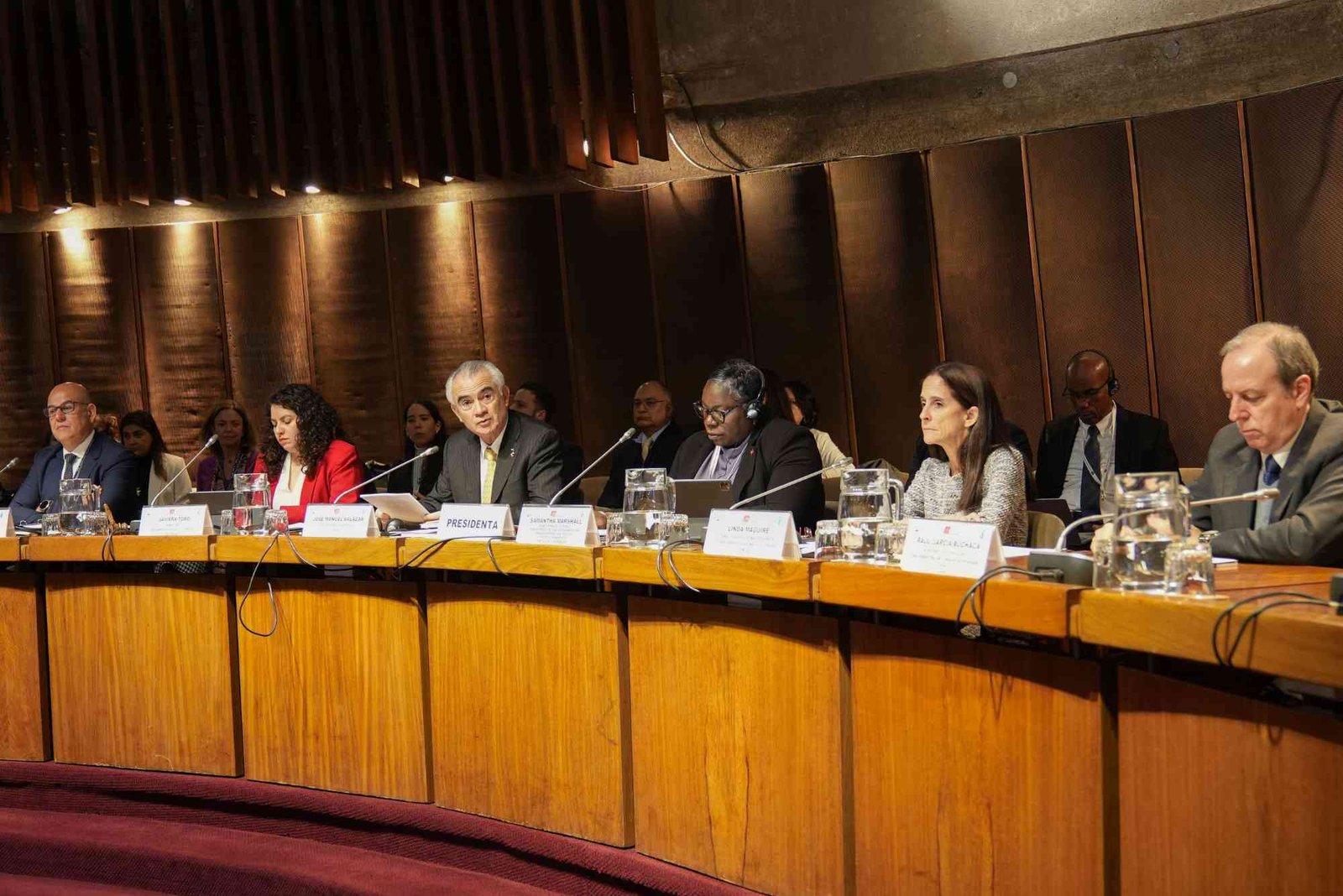
Social inequality remains one of the most persistent challenges facing modern societies. Differences in income, education, healthcare access, and opportunities continue to shape people’s lives from birth to old age. The role of the government in reducing social inequality is therefore critical, as public institutions hold the authority, resources, and responsibility to create fairer systems. Through effective policies and long-term planning, governments can narrow social gaps and promote inclusive growth that benefits everyone.
At its core, social inequality is not just about money. It involves unequal access to rights, services, and opportunities. When governments actively address these imbalances, societies become more stable, productive, and cohesive. Understanding how the role of the government in reducing social inequality works in practice helps citizens hold leaders accountable and support meaningful change.
Understanding Social Inequality and Its Root Causes
Social inequality develops when resources and opportunities are distributed unevenly. Economic structures, historical disadvantages, discrimination, and weak public systems often combine to deepen these gaps. In many countries, unequal access to quality education and healthcare limits social mobility across generations.
The role of the government in reducing social inequality begins with recognising these root causes. Without accurate data and honest assessment, policies remain ineffective. Governments must analyse income distribution, regional disparities, and demographic differences to design targeted interventions. Evidence-based decision-making ensures that public funds reach those who need them most.
The Government’s Responsibility in Promoting Equal Opportunities
One of the most important aspects of the role of the government in reducing social inequality is ensuring equal opportunities. Governments cannot guarantee equal outcomes, but they can level the playing field. This includes fair access to education, employment, and basic services.
Public investment in infrastructure, digital access, and regional development helps reduce geographic inequality. When rural and urban communities receive balanced attention, people are not forced to migrate simply to survive. Equal opportunity policies also promote social trust and reduce long-term dependence on welfare systems.
Education as a Tool to Reduce Inequality
Education is often described as the strongest equaliser in society. The role of the government in reducing social inequality is closely tied to providing accessible and high-quality education for all. Public schooling, scholarships, and subsidised higher education open doors for disadvantaged groups.
Early childhood education deserves special attention. Research shows that investment in early learning yields long-term social and economic benefits. Governments that prioritise teacher training, curriculum quality, and inclusive learning environments help break cycles of poverty. Education policies must also adapt to labour market needs, ensuring students gain relevant skills for future employment.
Healthcare Policies and Social Equity
Healthcare inequality directly affects life expectancy and quality of life. The role of the government in reducing social inequality includes ensuring affordable and accessible healthcare services. Universal healthcare systems or strong public-private partnerships reduce the financial burden on low-income families.
Preventive care is especially important. Governments that invest in vaccination programs, maternal health, and mental health services reduce long-term costs and social disparities. When healthcare access does not depend on income, societies become healthier and more productive overall.
Taxation and Income Redistribution
Tax policy plays a central role in shaping economic equality. Progressive taxation systems ensure that those with higher incomes contribute more to public services. The role of the government in reducing social inequality often relies on redistributing wealth through fair taxes and social spending.
Redistribution does not mean discouraging success. Instead, it balances economic growth with social responsibility. Transparent tax systems and efficient public spending increase public trust. When citizens see taxes funding schools, hospitals, and infrastructure, compliance improves and inequality declines.
Social Welfare Programs and Safety Nets
Social protection systems act as buffers during economic shocks. Unemployment benefits, pensions, and disability support prevent people from falling into extreme poverty. The role of the government in reducing social inequality includes maintaining strong safety nets that protect vulnerable populations.
Well-designed welfare programs focus on empowerment rather than dependency. Conditional cash transfers, job training, and housing support help individuals regain independence. Governments must regularly review these programs to ensure they remain effective and fair.
Labour Market Regulation and Fair Wages
Income inequality is closely linked to labour market conditions. Minimum wage laws, workplace safety regulations, and collective bargaining rights protect workers from exploitation. The role of the government in reducing social inequality is evident when fair labour standards are enforced consistently.
Active labour market policies also matter. Governments can support job creation through public investment and incentives for small businesses. Skills development programs help workers adapt to changing economic conditions. Fair wages and secure employment reduce reliance on social assistance over time.
Addressing Gender and Minority Inequalities
Social inequality often affects women and minority groups more severely. The role of the government in reducing social inequality includes addressing discrimination through laws and targeted policies. Equal pay legislation, anti-discrimination laws, and representation initiatives promote fairness.
Governments must also consider intersectionality. Policies should recognise that individuals may face multiple disadvantages simultaneously. Inclusive policymaking ensures that no group is left behind. Public awareness campaigns and legal enforcement strengthen social cohesion and equality.
Housing and Urban Development Policies
Access to safe and affordable housing is a basic human need. Housing inequality contributes to health issues, educational gaps, and social exclusion. The role of the government in reducing social inequality includes regulating housing markets and investing in social housing.
Urban planning decisions also matter. Mixed-income communities reduce segregation and improve access to services. Governments that prioritise sustainable and inclusive development create healthier living environments for all citizens.
The Importance of Good Governance and Accountability
Effective governance is essential for reducing inequality. Corruption and weak institutions undermine public trust and waste resources. The role of the government in reducing social inequality depends on transparency, accountability, and citizen participation.
When policies are implemented fairly and monitored regularly, outcomes improve. Independent audits, open data, and civic engagement strengthen democratic systems. Good governance ensures that inequality reduction remains a long-term priority rather than a political slogan.
FAQs About the Role of the Government in Reducing Social Inequality
People often ask what the role of the government in reducing social inequality actually involves. In simple terms, it means creating policies that ensure fair access to opportunities and resources. Governments use laws, budgets, and institutions to address economic and social gaps. Another common question is whether governments alone can reduce social inequality. While governments play a leading role, cooperation with the private sector and civil society is essential. Public-private partnerships and community initiatives enhance policy effectiveness.
Many people also wonder how education helps reduce inequality. Education improves skills, employability, and income potential. Government investment in education creates long-term social mobility and economic stability.
A frequent concern is whether redistribution discourages economic growth. Evidence suggests that fair redistribution supports sustainable growth by increasing consumer demand and social stability. Balanced policies benefit both the economy and society. Finally, people ask how citizens can support inequality reduction. Civic engagement, voting, and community involvement help shape fair policies. Holding leaders accountable strengthens democratic responsibility.
Conclusion: Building a Fairer Society Through Government Action
The role of the government in reducing social inequality is complex but essential. Through education, healthcare, taxation, and social protection, governments can create systems that promote fairness and opportunity. Reducing inequality is not only a moral obligation but also an economic necessity.
Societies with lower inequality tend to be more stable, healthier, and prosperous. However, progress requires continuous effort, evidence-based policies, and public support. Governments must adapt to changing social and economic conditions while keeping equity at the centre of decision-making.
Understanding how a government handles a national crisis is crucial for citizens and policymakers alike. Effective strategies, timely communication, and coordinated responses can minimize impacts on society. Learn more about the government’s approach to crisis management here.
FAQs
What is the role of the government in reducing social inequality?
The government’s role is to create policies that ensure equal access to education, healthcare, housing, and employment. It uses laws, budgets, and social programs to reduce economic and social gaps.
Can governments alone solve social inequality?
No, reducing social inequality requires cooperation between governments, the private sector, and civil society. Public-private partnerships and community initiatives enhance the impact of policies.
How does education reduce social inequality?
Education provides skills, knowledge, and opportunities that improve income potential and social mobility. Government investment in schools, scholarships, and training programs helps disadvantaged groups advance.
Does wealth redistribution discourage economic growth?
When designed carefully, redistribution supports growth. Fair taxation and social spending increase consumer demand, reduce poverty, and create a more stable economy.
How can citizens help reduce social inequality?
Citizens can engage in their communities, participate in policy discussions, vote for inclusive policies, and hold governments accountable to ensure fair implementation of programs.
Why is healthcare important in reducing social inequality?
Access to affordable healthcare ensures that everyone, regardless of income, can maintain good health. Healthy populations are more productive and have better life opportunities.
What are examples of government policies that reduce inequality?
Examples include progressive taxation, minimum wage laws, universal healthcare, social housing programs, and education subsidies. All aim to level the p