
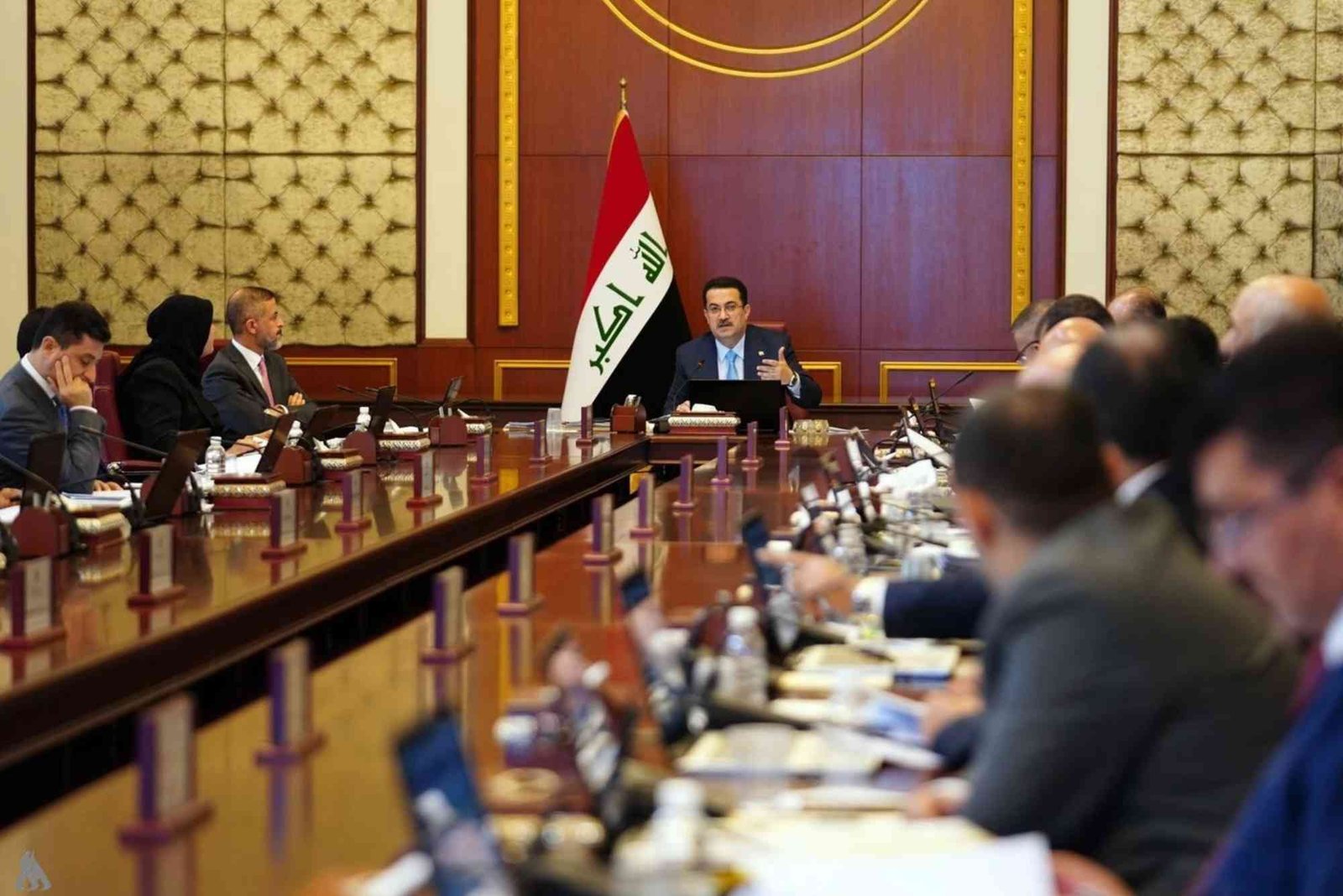
Human rights form the backbone of a just and equitable society. They are essential for ensuring that every individual enjoys freedom, dignity, and equality. Governments worldwide carry the responsibility of protecting these rights, creating legal frameworks, and ensuring their enforcement. Without government intervention, human rights can easily be violated, leaving vulnerable populations unprotected. Understanding the role of the government in safeguarding these rights is crucial for building a society based on justice, fairness, and respect.
Understanding Human Rights and Government Responsibilities
Human rights are the fundamental freedoms and protections every person is entitled to, regardless of nationality, ethnicity, gender, or social status. These include civil, political, economic, social, and cultural rights. Governments have the legal and moral obligation to protect these rights through laws, policies, and institutions. By establishing constitutions, enacting legislation, and creating independent judiciary systems, governments ensure that human rights violations are prevented, addressed, and punished. Protecting human rights also involves promoting equality, eliminating discrimination, and empowering citizens to participate fully in societal development.
Legal Frameworks for Human Rights Protection
Governments protect human rights primarily through legal frameworks. Constitutions often enshrine fundamental rights, guaranteeing freedom of speech, religion, and assembly. Additionally, specialized laws address specific issues such as child protection, gender equality, labor rights, and anti-discrimination measures. International agreements and treaties, like the Universal Declaration of Human Rights, further guide governments in aligning domestic policies with global standards. Effective legal frameworks not only provide citizens with recourse in case of violations but also act as preventive measures, discouraging abuses and ensuring accountability.
Institutions Ensuring Human Rights Compliance
Government institutions play a pivotal role in enforcing human rights. Independent courts, human rights commissions, ombudsman offices, and law enforcement agencies work together to monitor, investigate, and respond to violations. These institutions ensure that individuals can access justice and that perpetrators are held accountable. For instance, human rights commissions receive complaints, conduct investigations, and make policy recommendations, ensuring that systemic issues are addressed. Strong institutions also educate citizens about their rights, creating awareness and empowering them to stand against violations.
Policy Initiatives to Promote Equality and Justice
Beyond legal frameworks, governments implement policies to promote equality and protect vulnerable groups. Social programs focused on education, healthcare, and economic empowerment reduce disparities and support marginalized communities. Anti-discrimination laws and affirmative action policies help create an inclusive society where everyone has equal opportunities. By focusing on social justice, governments prevent structural inequalities that often lead to human rights abuses. Policies addressing gender-based violence, child labor, and minority rights are examples of how governments actively safeguard human dignity.
Human Rights in Crisis Situations
During crises such as wars, pandemics, or natural disasters, the government’s role in protecting human rights becomes even more critical. Emergencies can exacerbate vulnerabilities, leaving marginalized groups at higher risk of abuse. Governments must ensure that emergency measures do not compromise fundamental freedoms and that relief efforts respect human rights standards. Transparent communication, equitable distribution of resources, and protection of displaced populations are essential to maintain human rights during crises. Proper crisis management demonstrates the government’s commitment to upholding rights even under extraordinary circumstances.
International Cooperation and Human Rights
No government operates in isolation when it comes to human rights. International organizations like the United Nations, regional human rights bodies, and non-governmental organizations monitor compliance and provide guidance. Governments often collaborate with these entities to improve their human rights records, share best practices, and implement global standards. Participation in international treaties and reporting obligations encourages transparency and accountability. Moreover, international cooperation enables governments to address cross-border human rights challenges, such as human trafficking and refugee protection, more effectively.
Challenges in Protecting Human Rights
Despite efforts, governments face numerous challenges in safeguarding human rights. Corruption, weak institutions, political instability, and lack of public awareness can undermine protections. Sometimes, economic pressures or security concerns lead to rights being compromised. Balancing national security with individual freedoms is a persistent challenge. To overcome these obstacles, governments must strengthen institutions, ensure rule of law, promote civic education, and engage with civil society to create a culture of respect for human rights. Continuous monitoring and reform are essential to address evolving challenges.
The Role of Civic Engagement
Government efforts alone cannot fully protect human rights. Active civic engagement is essential for accountability. Citizens can monitor government actions, report violations, and advocate for policy reforms. Media, NGOs, and community organizations amplify voices and provide checks on government power. Governments that encourage public participation tend to implement human rights protections more effectively, creating a partnership between the state and society. Empowering individuals with knowledge about their rights strengthens democratic institutions and reinforces the overall protection framework.
Education and Awareness Programs
Education is a critical tool for human rights protection. Governments conduct awareness campaigns, integrate human rights education into school curricula, and train law enforcement personnel on ethical and legal obligations. By fostering a culture of respect, tolerance, and inclusion, education prevents violations before they occur. Citizens who understand their rights and responsibilities are better equipped to challenge discrimination, demand justice, and participate in building a more equitable society. Public awareness campaigns also encourage reporting of abuses and support for victims, enhancing overall protection mechanisms.
Technological Advancements in Human Rights Monitoring
Technology has become an important ally in protecting human rights. Governments use digital platforms to monitor violations, collect data, and facilitate reporting. Social media campaigns and online portals allow citizens to voice concerns safely. Technology also helps track compliance with international standards and streamlines communication between institutions. However, governments must balance digital monitoring with privacy rights, ensuring that technology enhances protections without infringing on freedoms. Proper regulation and ethical use of technology strengthen government efforts in safeguarding human rights.
Building a Just Society
The government’s role in protecting human rights is multifaceted, combining legal frameworks, institutional enforcement, policy initiatives, international cooperation, and public engagement. By actively promoting equality, justice, and freedom, governments ensure that every citizen can live with dignity and security. Upholding human rights is not only a legal obligation but a moral imperative that strengthens democracy and social cohesion. Citizens, institutions, and governments must work together to create a society where human rights are respected and protected at all times. Protecting human rights requires vigilance, commitment, and collaboration, making it a continuous effort rather than a one-time task. Take an active role today by learning about your rights, advocating for justice, and supporting policies that strengthen human rights protections.
Government action plays a vital role in reducing social inequality by creating fair policies, improving access to education and healthcare, and supporting economic opportunities for disadvantaged groups. Strong leadership and inclusive programs help build a more just society. Learn more about this topic at The Role of the Government in Reducing Social Inequality.
FAQs
How does the government protect human rights?
The government protects human rights through laws, policies, institutions, and public programs that ensure justice and equality.
What are some examples of human rights protection policies?
Policies include anti-discrimination laws, gender equality initiatives, child protection, and programs supporting marginalized communities.
Why is international cooperation important in human rights?
International cooperation ensures global standards, accountability, and effective solutions for cross-border human rights issues.
What challenges do governments face in protecting human rights?
Challenges include corruption, weak institutions, political instability, lack of awareness, and balancing security with individual freedoms.
How can citizens help in protecting human rights?
Citizens can participate in civic activities, report violations, support awareness campaigns, and advocate for policy reforms.