Introduction
Traditional art is more than decoration or entertainment—it is a living record of human history, identity, and values. From handwoven textiles and calligraphy to folk music and classical dance, cultural expressions tell stories that no textbook can fully capture. In today’s fast-paced digital world, however, many traditional practices are fading. That is why understanding the importance of preserving traditional art has never been more crucial.
When traditional art disappears, we lose more than objects—we lose languages, skills, beliefs, and perspectives that connect us to our roots. This article explores why preserving cultural heritage matters, how it benefits society, and what individuals, communities, and governments can do to protect it for future generations.
What Is Traditional Art?
Traditional art refers to creative practices passed down through generations. These art forms often reflect the beliefs, customs, and lifestyles of a specific community or region.
Types of Traditional Art
- Visual arts: Painting, sculpture, pottery, weaving, embroidery
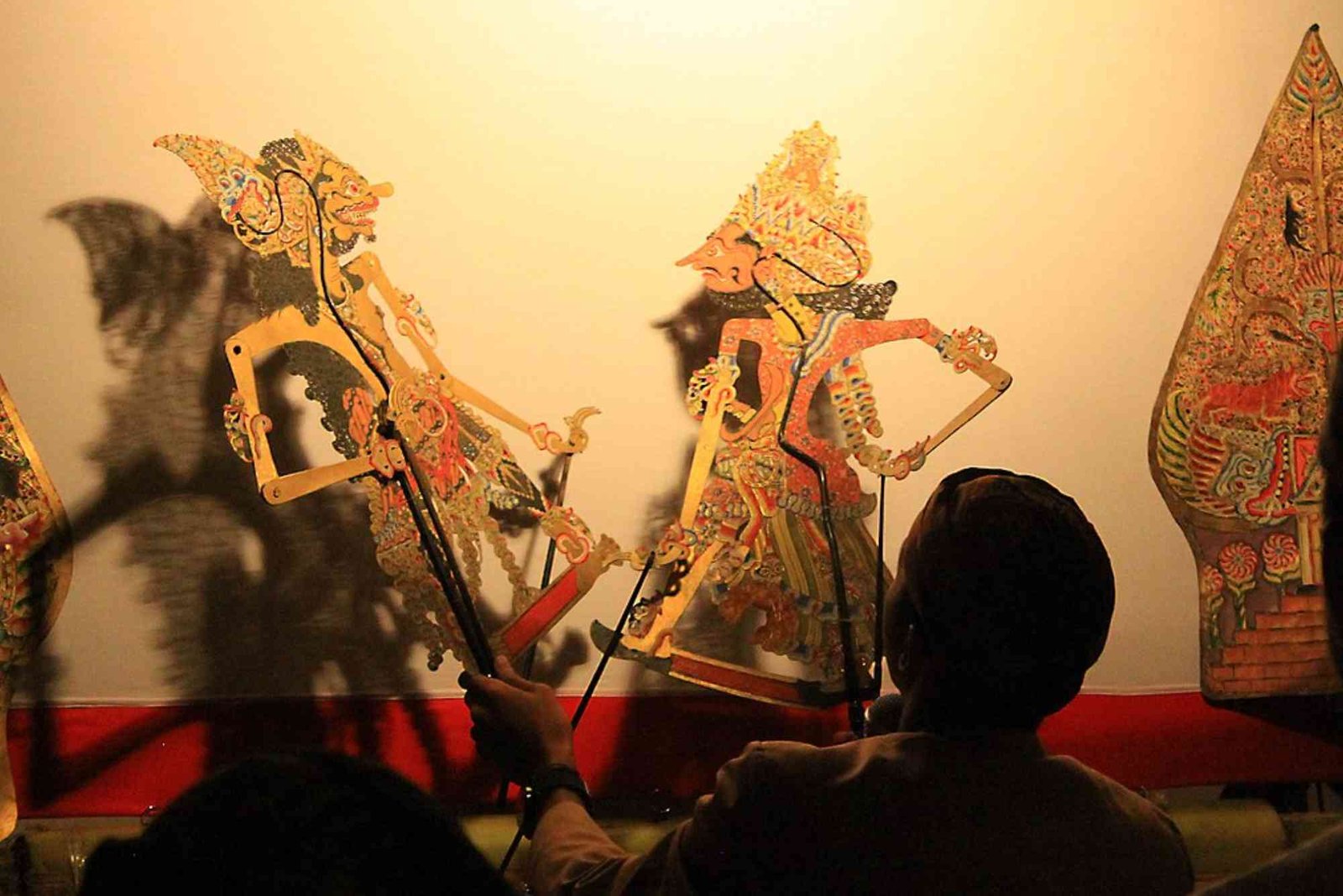
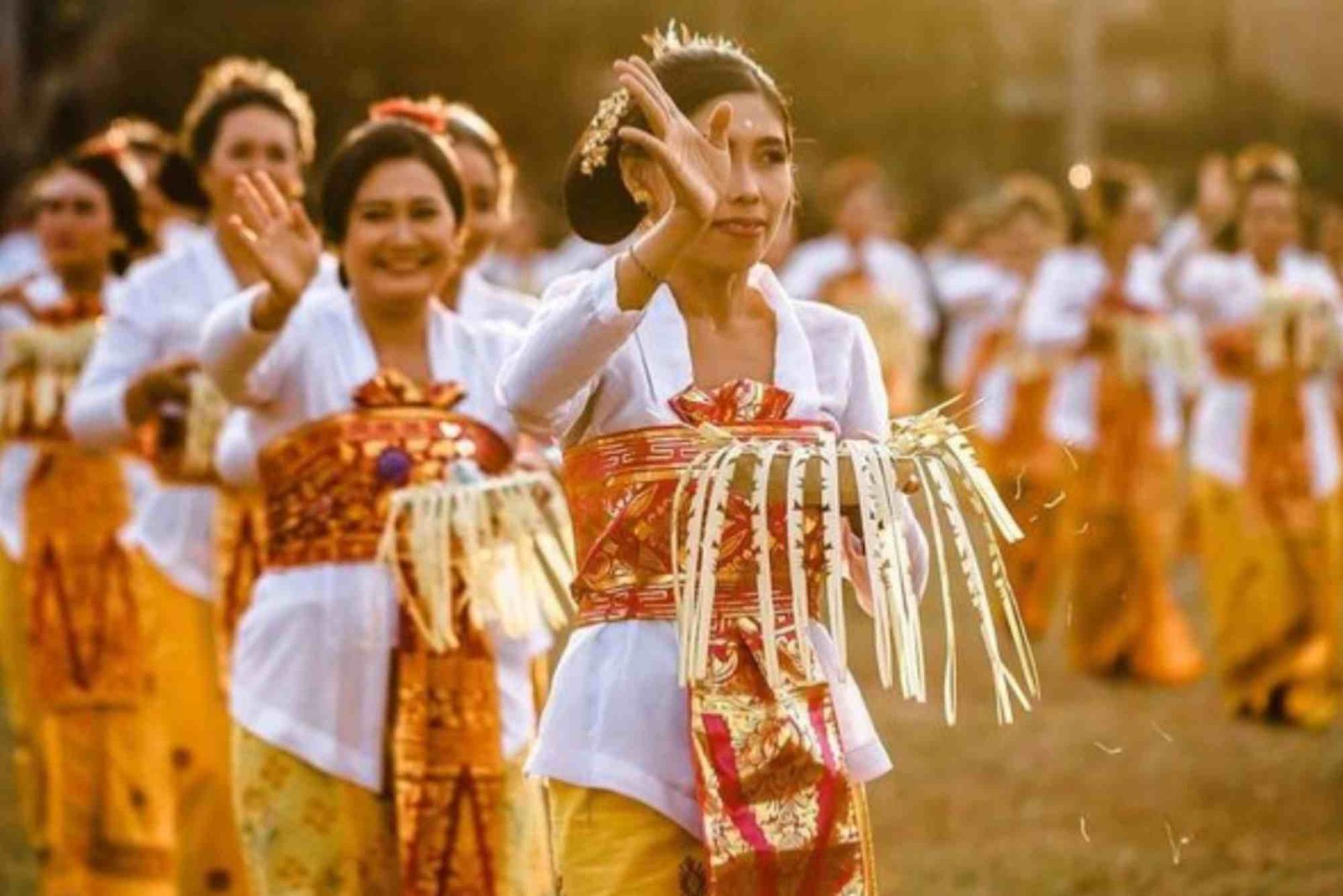
- Performing arts: Folk dance, traditional music, storytelling, theater
- Decorative crafts: Wood carving, metalwork, calligraphy, jewelry
- Ritual and ceremonial arts: Masks, costumes, symbolic designs
Each form carries meaning rooted in history and cultural identity.
The Importance of Preserving Traditional Art
Preserving heritage is not just about saving the past—it is about strengthening the present and shaping the future.
Protecting Cultural Identity
Traditional art reflects who we are and where we come from. It keeps cultural stories alive and gives communities a sense of belonging.
Passing Knowledge to Future Generations
Skills like handloom weaving, pottery, or folk music require years of practice. Without preservation, this knowledge may vanish.
Strengthening Social Bonds
Art brings people together. Festivals, performances, and craft markets create shared experiences that unite communities.
Promoting Cultural Diversity
When we preserve traditional art, we protect diversity. This ensures that no culture is overshadowed or forgotten.
How Traditional Art Shapes Society
Builds National and Local Pride
Traditional art is a symbol of heritage. Countries often use cultural arts to represent themselves globally.
Supports Education and Awareness
Museums, schools, and cultural centers use traditional art to teach history, values, and social lessons.
Encourages Sustainable Lifestyles
Many traditional crafts use natural, eco-friendly materials and methods, promoting sustainability.
Threats to Traditional Art
Despite its value, traditional art faces serious challenges.
Globalization and Modernization
Mass-produced goods and digital entertainment have reduced demand for handmade crafts.
Loss of Artisans
Younger generations often choose modern careers, leaving few people to learn traditional skills.
Lack of Funding and Recognition
Many artisans struggle financially, forcing them to abandon their craft.
The Role of Technology in Preservation
Technology can help preserve cultural heritage.
Digital Archives
Museums and universities now document traditional art through photos, videos, and virtual tours.
Online Marketplaces
E-commerce platforms allow artisans to sell their crafts globally.
Social Media Awareness
Artists can share their stories, connect with audiences, and promote cultural appreciation.
How Communities Can Help
Support Local Artists
Buy handmade products and attend cultural events.
Teach Traditional Skills
Workshops and school programs can introduce youth to cultural crafts.
Organize Cultural Festivals
Events keep traditions alive and attract tourists.
The Economic Impact of Preserving Traditional Art
Traditional art also supports local economies.
Cultural Tourism
Travelers seek authentic experiences, boosting local businesses.
Job Creation
Artisans, tour guides, event organizers, and teachers benefit from cultural industries.
Sustainable Development
Heritage-based industries grow without harming the environment.
FAQs
What is the importance of preserving traditional art?
It protects cultural identity, preserves history, and passes valuable skills to future generations.
Why is traditional art important to society?
It builds unity, teaches values, and celebrates diversity.
How can we preserve traditional culture?
By supporting artisans, documenting art forms, and teaching them in schools.
What happens if traditional art disappears?
We lose cultural knowledge, history, and identity that cannot be replaced.
The importance of preserving traditional art goes beyond beauty—it is about honoring our past, enriching our present, and inspiring the future. Every handmade craft, song, and dance carries centuries of wisdom and creativity.
Indonesian Traditional Music That Must Be Preserved: Indonesian traditional music reflects the nation’s rich cultural heritage, from gamelan to angklung and sasando. These sounds tell stories of history, community, and identity. Preserving this music means protecting local traditions, inspiring younger generations, and keeping Indonesia’s unique cultural voice alive for the future.