
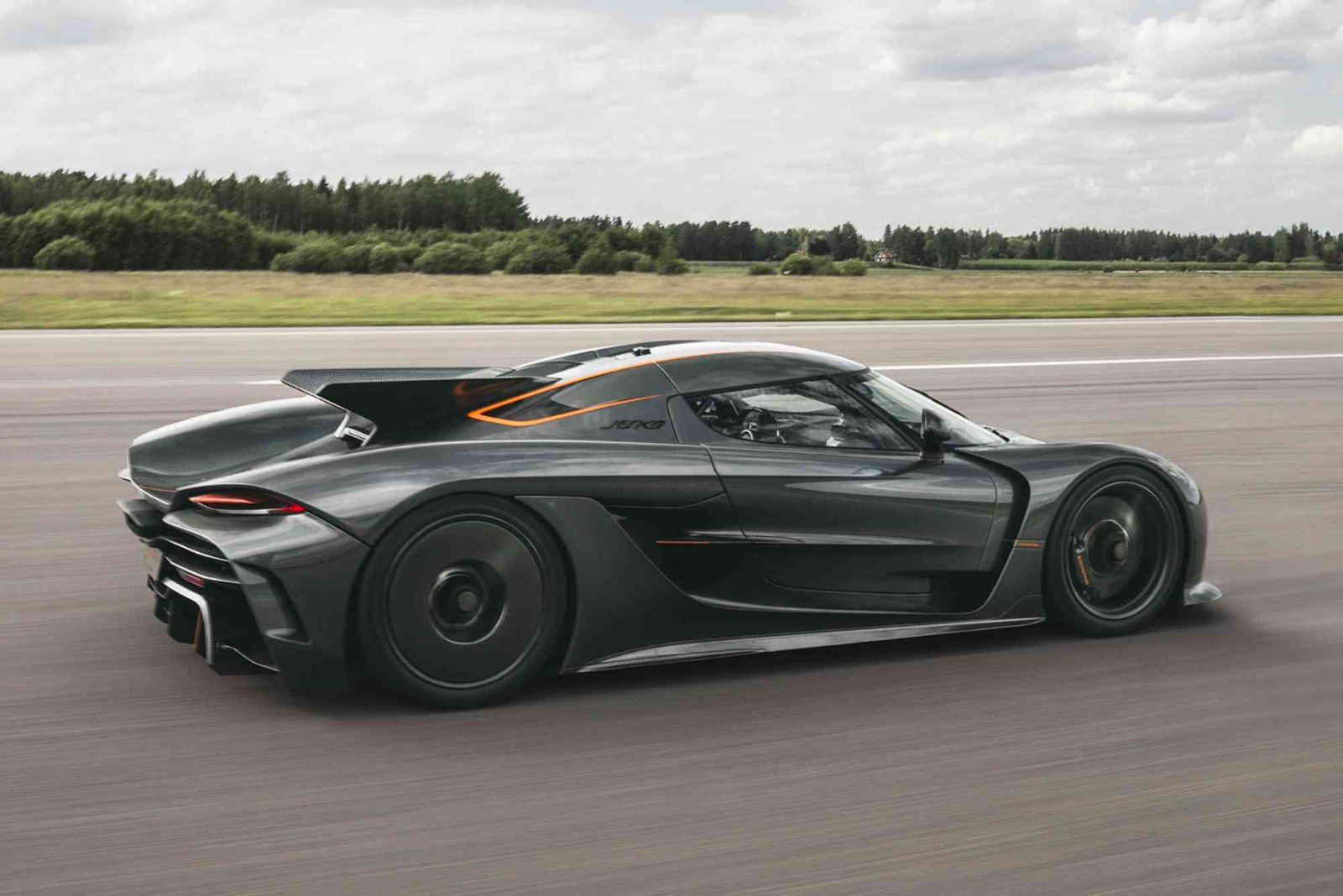
Introduction
When it comes to automotive engineering, speed is often the ultimate benchmark. Car enthusiasts and collectors dream of vehicles that combine extreme performance with everyday usability. However, not every supercar you see on racetracks is legal for the road. The distinction between track-only beasts and road-legal hypercars is significant. In this article, we explore the fastest cars legal on public roads, diving into what makes them exceptional, their technical specifications, and why owning one is a unique experience.
Understanding Road-Legal Supercars
Not all fast cars can be driven on streets. Road-legal status requires adherence to strict safety and emissions regulations. These regulations vary by country, but generally include features such as airbags, headlights, turn signals, and compliance with local environmental standards. A road-legal supercar is a balance between ultimate speed and usability.
Manufacturers face the challenge of retaining extreme performance while ensuring the car meets these standards. For instance, aerodynamic elements and engine tuning must comply without compromising speed. The fastest cars legal on public roads often achieve a delicate balance, offering acceleration and top speeds rivaling professional race cars yet remaining street-appropriate.
Why Speed Matters in Road-Legal Cars
The fascination with speed is not just about thrill; it’s also about engineering mastery. Road-legal hypercars are showcases of technological innovation. High-performance engines, lightweight materials, and advanced aerodynamics all contribute to their astonishing capabilities. Owners appreciate not just the speed but also the precision, handling, and engineering sophistication.
Speed in street-legal cars demonstrates the limits of mechanical design under real-world constraints. Unlike race cars designed for controlled tracks, these vehicles must operate safely on highways and city streets. This dual requirement makes them engineering marvels.
Key Features of the Fastest Road-Legal Cars
Aerodynamic Design
Aerodynamics play a crucial role in top-speed performance. Road-legal supercars employ active spoilers, diffusers, and sculpted bodywork to reduce drag and increase stability at high speeds. The fastest cars legal on public roads achieve impressive airflow management, allowing them to maintain control even at over 200 mph.
High-Performance Engines
Engine design is the heart of any hypercar. Road-legal speed demons often feature V8s, V10s, V12s, or even hybrid powertrains. These engines deliver incredible horsepower and torque, resulting in blistering acceleration and high top speeds. Turbocharging and advanced fuel injection systems maximize efficiency without sacrificing raw power.
Lightweight Construction
Weight reduction is critical for performance. Manufacturers use carbon fiber, aluminum, and other composites to create rigid yet lightweight frames. Less weight translates to faster acceleration, sharper handling, and improved braking. Every gram saved contributes to a higher power-to-weight ratio, crucial for achieving top speeds legally on public roads.
Advanced Suspension and Braking
Controlling immense power requires advanced suspension systems. Adjustable dampers, active suspension, and precise chassis tuning ensure stability and cornering precision. Similarly, high-performance braking systems, often with carbon-ceramic rotors, allow drivers to decelerate rapidly, which is essential when handling vehicles capable of exceeding 200 mph.
Technology Integration
Modern road-legal hypercars incorporate sophisticated technology. Traction control, stability management, and drive modes allow drivers to safely exploit the car’s capabilities. Digital dashboards, aerodynamic monitoring, and even AI-assisted systems help optimize performance and safety simultaneously.
Examples of Road-Legal Speed Monsters
Although we will not provide a literal list, it is worth discussing types of vehicles that exemplify the fastest cars legal on public roads. Cars in this category often come from brands renowned for innovation, luxury, and performance. These vehicles feature engines producing over 1,000 horsepower, 0-60 mph times under three seconds, and electronically limited top speeds exceeding 250 mph.
The fastest cars legal on public roads are usually engineered to function in two extreme environments. On the highway, they must remain comfortable and controllable. On open roads or private tracks, their capabilities can be fully unleashed. Owners often describe these experiences as a blend of adrenaline and confidence, thanks to the precision engineering and safety systems in place.
The Experience of Driving Road-Legal Hypercars
Driving a car that ranks among the fastest legal on public roads is a unique thrill. Acceleration from 0 to 60 mph in mere seconds creates an intense rush. High-speed stability and cornering responsiveness offer a level of control unmatched by typical sports cars. Unlike ordinary vehicles, these cars reward skilled driving with immediate feedback and precision handling.
While these cars are incredibly fast, they are also surprisingly adaptable. Many owners use them for daily driving, enjoying the combination of luxury and performance. Interior refinement, noise reduction, and advanced infotainment systems make high-speed driving enjoyable without sacrificing comfort.
Challenges of Owning a Road-Legal Hypercar
Owning one of the fastest cars legal on public roads comes with responsibilities. Insurance costs are significant due to high repair and replacement expenses. Regular maintenance requires specialist knowledge and often takes place at authorized service centers. Tire wear, engine tuning, and brake servicing demand attention far beyond what ordinary vehicles require.
Legal limitations also shape the driving experience. Speed limits, traffic laws, and urban environments prevent owners from fully exploiting the vehicle’s capabilities. However, these constraints make highway runs or track days even more thrilling, as they provide rare opportunities to experience the car’s full potential safely.
Safety Considerations
Safety is paramount in road-legal high-speed vehicles. Airbags, reinforced frames, and electronic aids protect drivers in emergencies. Manufacturers often test these cars extensively, subjecting them to crash simulations and real-world scenarios. Safety does not compromise speed; instead, it enhances confidence and control at extreme velocities.
Even with these measures, drivers must exercise responsibility. Road conditions, weather, and traffic impose limits on performance. Understanding a car’s behavior at high speeds, respecting local regulations, and wearing appropriate safety equipment are crucial for a safe driving experience.
Future of Road-Legal Speed
The evolution of hypercars continues at a rapid pace. Electric powertrains are emerging as viable alternatives to traditional engines, offering instant torque and high efficiency. Hybrid systems combine combustion engines with electric motors to deliver unprecedented acceleration while maintaining road legality.
Autonomous driving technology may also influence high-speed road-legal cars. Advanced sensors and AI could assist drivers in navigating safely at extreme speeds, potentially redefining the experience of driving the fastest cars legal on public roads. The industry is moving toward smarter, faster, and more sustainable vehicles that do not compromise legality or safety.
Experiencing the Fastest Cars Legal on Public Roads
The fastest cars legal on public roads represent the pinnacle of automotive engineering. They combine breathtaking speed, precision handling, luxury, and compliance with regulations, offering an unparalleled driving experience. Owning or driving one is more than a hobby—it is an appreciation of innovation, design, and technological mastery. For enthusiasts, these vehicles are not just transportation; they are rolling masterpieces.
Whether you are a collector, a thrill-seeker, or an engineering enthusiast, exploring the world of road-legal hypercars is a fascinating journey. Understanding their capabilities, respecting their limits, and appreciating their design makes every drive an unforgettable experience. If you aspire to feel the thrill of speed within legal boundaries, these vehicles represent the ultimate expression of automotive excellence.
Small but powerful cars offer the perfect blend of agility, efficiency, and performance. Despite their compact size, these vehicles pack impressive engines and advanced technology, delivering thrilling drives and easy city maneuvering. Ideal for urban lifestyles, they combine fuel efficiency with sporty handling, proving that great power doesn’t always require a large footprint. Discover how these cars maximize fun and practicality on every road.
FAQ
What is the fastest street-legal car in the world?
A: The fastest street-legal cars typically exceed 250 mph and can accelerate from 0-60 mph in under three seconds. Models from top hypercar manufacturers hold these records.
Are all supercars road-legal?
A: No, some supercars are track-only due to safety and emissions restrictions. Road-legal hypercars meet strict regulations for public streets.
Can you drive a hypercar daily?
A: Yes, many hypercars are designed for daily driving. Comfort features, technology, and controlled handling make them suitable for regular use.
Do road-legal hypercars have speed limiters?
A: Many are electronically limited for safety, but they can still achieve extraordinary top speeds while remaining street-legal.
Are electric hypercars as fast as traditional ones?
A: Yes, electric hypercars often have instant torque, resulting in acceleration comparable to or faster than traditional combustion engines.
Owning or experiencing one of the fastest cars legal on public roads is a dream for many, combining the thrill of speed with innovation and luxury. As technology evolves, these machines continue to push the boundaries of what is possible while remaining safe and legal for public streets.