
Stand-up comedy in Indonesia has experienced a remarkable transformation over the past two decades. What once was considered a niche form of entertainment has evolved into a vibrant cultural phenomenon. Indonesian audiences now enjoy a wide range of comedy performances, from small clubs to televised specials, highlighting the country’s growing appetite for humor that reflects social, political, and everyday life experiences. The development of the stand-up comedy scene in Indonesia is not only a testament to the creativity of local comedians but also an illustration of how global entertainment trends can adapt to local cultures.
Early Beginnings and Influences
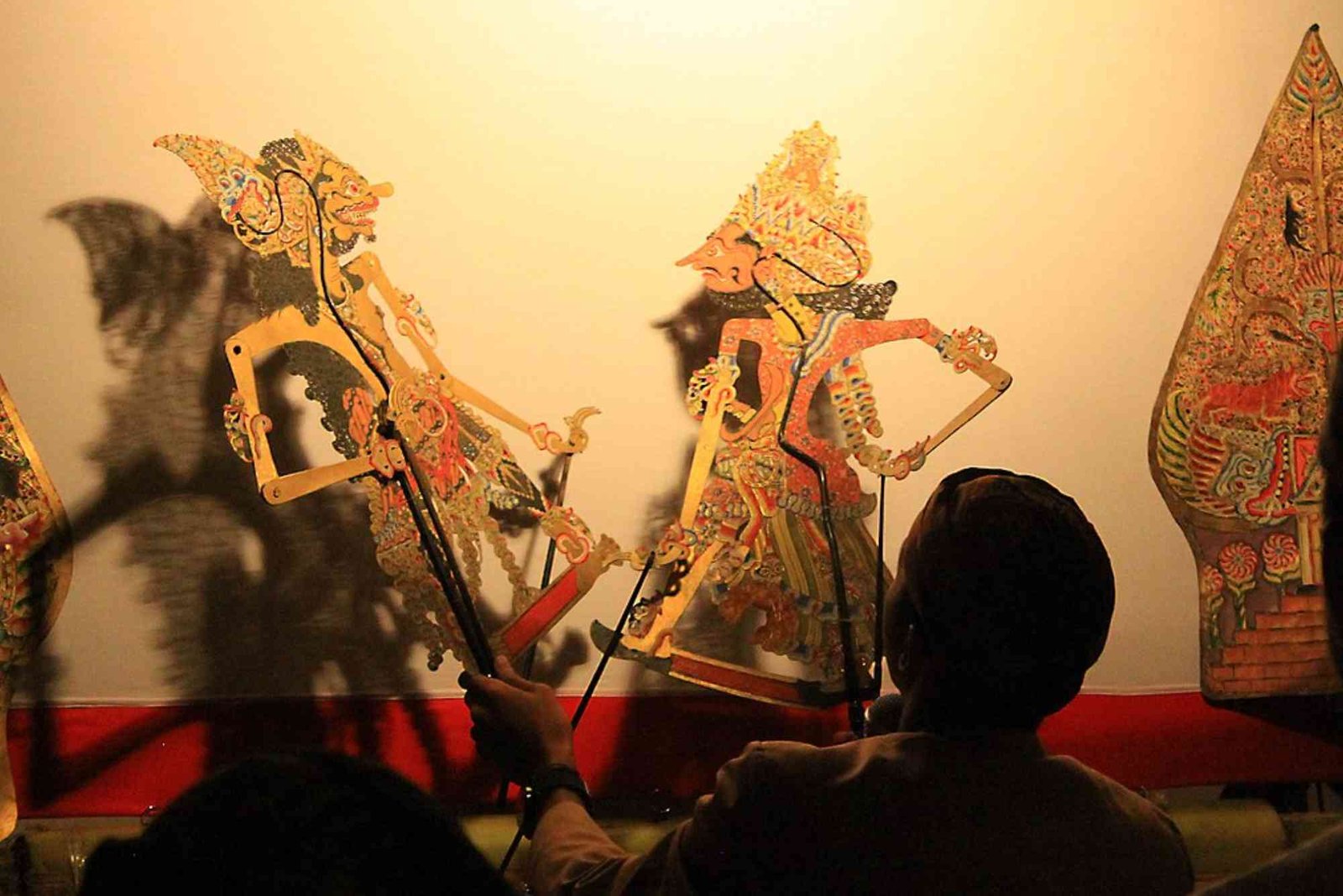
The roots of stand-up comedy in Indonesia can be traced back to traditional forms of performance art. Wayang, ludruk, and lenong were among the theatrical expressions that used humor as a central tool to entertain and convey social messages. These traditional performances, deeply embedded in local culture, often involved satire, wordplay, and observational comedy that resonate with everyday life. When stand-up comedy as a Western concept began to spread in the late 1990s and early 2000s, Indonesian performers started experimenting with this new format. The early influences came primarily from American and British comedians, whose televised performances inspired aspiring Indonesian comedians to adopt similar styles while incorporating local humor and cultural references.
Growth of Stand-Up Comedy Clubs
The real breakthrough for stand-up comedy in Indonesia came with the establishment of dedicated comedy clubs in major cities like Jakarta, Bandung, and Surabaya. Venues such as The Jakarta Comedy Club and Stand-Up Indo became incubators for local talent. These spaces offered comedians an opportunity to perform regularly, test new material, and build a loyal audience. The club environment allowed for interactive performances, where comedians could engage directly with the audience, fostering a community of humor enthusiasts. Over time, these venues contributed significantly to the professionalization of stand-up comedy, creating a structured environment for comedians to grow and develop their craft.
Television and Media Exposure
Television played a crucial role in popularizing stand-up comedy in Indonesia. Shows like “Stand Up Comedy Indonesia” provided a national platform for comedians to showcase their talent. This exposure not only brought local humor into the mainstream but also helped launch the careers of numerous comedians who are now household names. Television competitions and televised comedy specials increased the visibility of stand-up comedy, attracting sponsorships, collaborations, and media coverage. Social media platforms further amplified this growth, allowing comedians to share short clips, sketches, and full performances to reach a broader audience. Platforms like YouTube and Instagram enabled comedians to experiment with new formats and directly engage with fans, accelerating the growth of the comedy scene.
Cultural Adaptation and Unique Style
One of the key factors in the success of Indonesian stand-up comedy is its cultural adaptation. While the format draws from Western models, Indonesian comedians have created a unique style that resonates with local audiences. Observational humor about daily life, family dynamics, social etiquette, and political commentary has become central to their performances. The ability to combine humor with cultural commentary allows comedians to address sensitive topics while maintaining entertainment value. This balance of humor and social awareness distinguishes Indonesian stand-up comedy from its international counterparts and highlights its role as a reflective medium in society.
Challenges and Opportunities
Despite its growth, the stand-up comedy scene in Indonesia has faced several challenges. Censorship, cultural sensitivities, and religious considerations sometimes limit the range of topics comedians can address. Navigating these challenges requires creativity, intelligence, and a deep understanding of audience perception. Nevertheless, these obstacles have also sparked innovation, pushing comedians to develop clever wordplay, subtle satire, and nuanced humor that avoids offense while delivering impact. Moreover, opportunities abound for comedians to collaborate with corporate brands, participate in international festivals, and explore digital streaming platforms, ensuring that the art form continues to evolve and thrive.
Impact on Society and Youth Culture
The development of stand-up comedy in Indonesia has had a significant impact on society, particularly among younger generations. Comedy provides a safe space to question norms, critique politics, and discuss social issues without confrontation. It encourages critical thinking and reflection through laughter, making complex topics more accessible. The rise of stand-up comedy has also created career opportunities for young people passionate about performing arts, encouraging them to pursue creative industries as viable professions. Stand-up comedy workshops and educational programs have further contributed to the nurturing of new talent, ensuring that the scene continues to grow sustainably.
Influence of Technology and Digital Platforms
Digital technology has revolutionized the Indonesian comedy scene. Streaming services, social media, and video-sharing platforms have allowed comedians to reach audiences far beyond their local clubs. Platforms like YouTube, TikTok, and Instagram are used not only to share performances but also to engage in interactive comedy content, challenge viral trends, and experiment with innovative storytelling. This digital presence has enabled comedians to diversify their content, collaborate with influencers, and attract sponsorships, bridging the gap between traditional live performances and digital audiences. Technology has also facilitated international exposure, allowing Indonesian comedians to connect with global audiences and showcase local humor worldwide.
Prominent Comedians and Key Milestones
Several comedians have played pivotal roles in shaping the Indonesian stand-up scene. Figures such as Raditya Dika, Ernest Prakasa, and Pandji Pragiwaksono have gained national fame while also pushing the boundaries of content and style. Their work demonstrates how humor can blend personal storytelling, social commentary, and cultural insight, appealing to diverse audiences. Key milestones, including the launch of national comedy festivals, televised competitions, and international tours, have solidified the reputation of Indonesian stand-up comedy as a respected art form. These milestones illustrate both the artistic growth and commercial viability of comedy in Indonesia, signaling its importance in the broader cultural landscape.
Future Trends and Prospects
Looking ahead, the future of stand-up comedy in Indonesia appears promising. Increasing urbanization, digital connectivity, and cultural openness are expanding the audience base. New platforms and formats, such as podcasts, web series, and virtual comedy shows, offer comedians creative freedom and innovative ways to connect with fans. Additionally, cross-cultural collaborations and participation in international festivals are likely to raise the profile of Indonesian comedy globally. As the industry matures, it is expected to attract more investment, professional development programs, and opportunities for emerging comedians, ensuring that the stand-up scene continues to flourish and diversify.
The development of the stand-up comedy scene in Indonesia reflects a dynamic interplay of tradition, modernity, and cultural adaptation. From its early influences in traditional performance arts to the rise of comedy clubs, televised shows, and digital platforms, Indonesian stand-up comedy has carved out a distinct identity. By blending humor with social commentary, comedians not only entertain but also provoke thought and reflection. As the scene continues to evolve, it offers immense potential for creativity, innovation, and cultural expression. For those interested in exploring the laughter-filled world of Indonesian stand-up comedy, attending live shows, following digital content, or supporting emerging talent is a great way to engage with this thriving art form.
Street art is gradually gaining recognition as a legitimate form of artistic expression. Once seen as mere graffiti, it now brings vibrancy and social commentary to urban spaces. Explore how this creative movement is being embraced by communities worldwide in this insightful article: Street Art That Is Increasingly Accepted by Society.
FAQs
What is the origin of stand-up comedy in Indonesia?
Stand-up comedy in Indonesia evolved from traditional performance arts like wayang, ludruk, and lenong, incorporating Western influences in the late 1990s.
Who are some famous Indonesian stand-up comedians?
Prominent figures include Raditya Dika, Ernest Prakasa, and Pandji Pragiwaksono, known for blending humor with social commentary.
How did television impact Indonesian stand-up comedy?
Television shows provided national exposure, launching careers and popularizing comedy as a mainstream entertainment genre.
Can stand-up comedy address sensitive topics in Indonesia?
Yes, but comedians often use clever wordplay, subtle satire, and cultural understanding to navigate censorship and sensitivities.
How has technology influenced stand-up comedy in Indonesia?
Digital platforms like YouTube and TikTok allow comedians to reach wider audiences, experiment with content, and gain international recognition.
What is the future of stand-up comedy in Indonesia?
The scene is expected to grow through digital media, festivals, international collaborations, and professional development opportunities, expanding its influence and audience.