
Introduction
In the past decade, the financial sector has undergone a revolutionary transformation. Traditional banking systems, once dominated by brick-and-mortar branches and paper-based transactions, are rapidly being replaced by financial applications and digital wallets. These tools have redefined how people manage money, pay for goods, and invest, making financial operations faster, safer, and more convenient. As digital adoption grows, understanding the evolution, benefits, and future of these platforms becomes essential for both consumers and businesses.
The Rise of Financial Applications
Early Beginnings
Financial applications first emerged as simple mobile banking apps, allowing users to check balances, transfer funds, and monitor transactions. These apps were primarily extensions of traditional banks, designed to improve customer convenience.
Key features in early financial apps:
- Account balance inquiries
- Transaction history tracking
- Basic fund transfers
While functional, these applications had limited capabilities and were often cumbersome to navigate.
The Integration of Advanced Technologies
With the advent of smartphones and improved mobile internet, financial apps evolved beyond basic banking functions. Features such as real-time payments, budgeting tools, and automated investment tracking became standard. Technologies like artificial intelligence (AI), machine learning, and blockchain began to play crucial roles in enhancing security, personalization, and efficiency.
Innovative advancements in modern financial apps include:
- AI-driven expense analysis
- Personalized financial advice
- Fraud detection and security alerts
- Integration with third-party services (e.g., e-commerce platforms)
Impact on Users and Businesses
Financial applications have made managing money more accessible for users worldwide. Individuals can monitor spending habits, automate bill payments, and even invest in stocks or cryptocurrencies directly from their smartphones. For businesses, these apps provide opportunities for digital payment acceptance, customer insights, and improved financial transparency.
The Evolution of Digital Wallets
Definition and Early Development
A digital wallet, also known as an e-wallet, is a software-based system that securely stores users’ payment information and passwords. It enables quick online transactions without the need for physical cards or cash. Early digital wallets were limited to online purchases and required significant setup, such as linking bank accounts or credit cards.
Expansion to Everyday Transactions
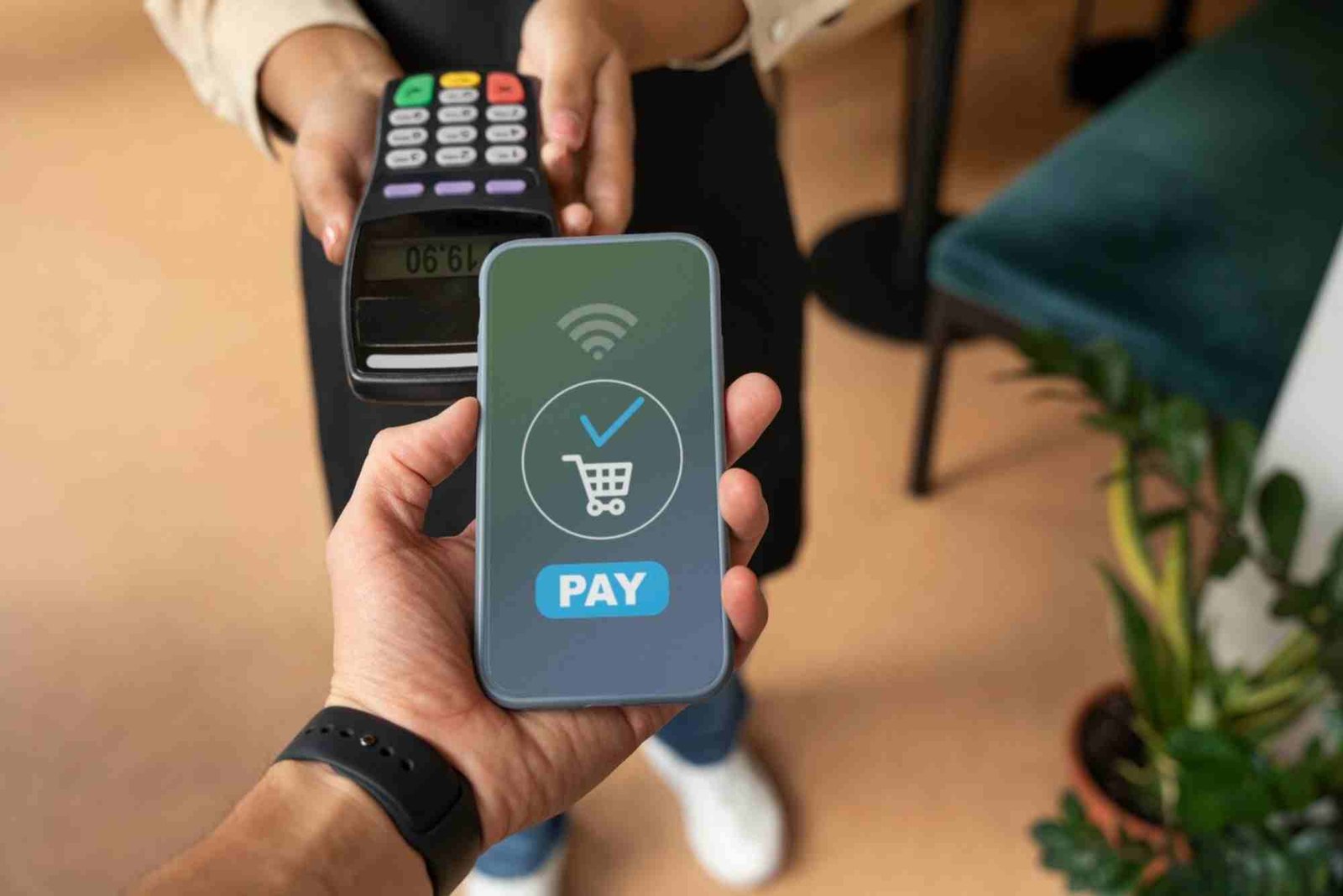
Today, digital wallets have become mainstream, facilitating both online and offline payments. Services like Apple Pay, Google Wallet, and PayPal allow users to pay at stores, transfer money peer-to-peer, and even store loyalty cards. Contactless payment adoption during the COVID-19 pandemic accelerated this growth, highlighting the convenience and safety of digital wallets.
Key features of modern digital wallets:
- Contactless payments via smartphones or smartwatches
- Peer-to-peer transfers
- Bill payments and subscription management
- Integration with rewards programs and cryptocurrencies
Security and Trust
One of the main concerns with digital wallets is security. Modern wallets use tokenization, encryption, and biometric authentication to protect user data. Regular updates and fraud monitoring systems also enhance trust, making digital wallets a reliable alternative to cash or cards.
Benefits of Financial Applications and Digital Wallets
Convenience and Accessibility
The most significant advantage is convenience. Users can perform multiple financial activities from a single device, anywhere and anytime. This accessibility has democratized financial services, especially for underbanked populations in remote areas.
Cost-Efficiency
Digital financial services reduce transaction costs compared to traditional banking methods. There are fewer intermediaries, lower fees, and faster processing times, benefiting both consumers and businesses.
Enhanced Financial Management
With real-time tracking, budgeting tools, and AI-driven insights, users can make informed decisions about spending, saving, and investing. Digital wallets and apps promote financial literacy by providing visualizations of personal financial health.
Innovation and Integration
Financial apps and wallets often integrate with e-commerce platforms, ride-hailing services, and subscription services, creating a seamless digital ecosystem. This integration enhances user experience and encourages digital adoption.
Challenges and Considerations
Security Risks
Despite advanced security measures, cyber threats such as phishing, account hacking, and malware attacks remain risks. Users must maintain strong passwords, enable two-factor authentication, and remain vigilant against scams.
Regulatory Compliance
Financial apps and digital wallets must comply with national and international financial regulations. Differences in legal frameworks can affect cross-border transactions and expansion strategies for app providers.
Technological Barriers
Some populations still face challenges with digital literacy or access to smartphones and stable internet connections. Addressing these barriers is crucial to ensure inclusive growth.
The Future of Financial Applications and Digital Wallets
Integration with Emerging Technologies
The next phase of financial apps will leverage AI, blockchain, and IoT (Internet of Things) to offer highly personalized services, smart contracts, and seamless payment automation.
Cryptocurrency and Digital Currencies
Central bank digital currencies (CBDCs) and cryptocurrencies are expected to become more integrated into financial applications and wallets. This integration could redefine global payments, cross-border transactions, and investment opportunities.
Enhanced User Experience
Future apps will focus on hyper-personalization, predictive analytics, and augmented reality features to make financial management more intuitive and engaging.
Expanding Financial Inclusion
By providing low-cost, accessible digital financial services, apps and wallets will continue to empower previously underserved populations, bridging gaps in global financial access.
The development of financial applications and digital wallets has transformed how we manage money, offering unprecedented convenience, security, and efficiency. As technology continues to advance, these platforms will play an even greater role in shaping the future of finance. For businesses and consumers alike, staying informed and adopting these tools is essential to remain competitive and financially empowered.
FAQs
What is the difference between a financial app and a digital wallet?
A financial app may include broader banking and investment features, while a digital wallet primarily focuses on storing payment information and facilitating quick transactions.
Are digital wallets safe to use?
Yes, modern digital wallets use encryption, tokenization, and biometric authentication to ensure user security, though caution is still advised against scams.
Can I invest using a digital wallet?
Some digital wallets offer investment features, including cryptocurrency or stock integration, though full financial apps often provide more comprehensive investment tools.
How do financial apps benefit small businesses?
They streamline payments, reduce transaction costs, provide insights into customer spending, and integrate with e-commerce platforms to enhance efficiency.
Will digital wallets replace cash entirely?
While adoption is growing, cash remains important in certain regions. Digital wallets complement rather than fully replace cash, especially in urban and tech-savvy markets.
The Role of Big Data in Decision-Making is crucial in today’s fast-paced world. By analyzing massive datasets, organizations can uncover patterns, predict trends, and make informed decisions. Big data helps reduce risks, optimize strategies, and improve efficiency, giving businesses a competitive edge in decision-making processes.