
Safe Tips for Buying a Used Car: How to Check Documents and Service History
Buying a used car can be exciting, but it also comes with risks if you’re not careful. Many people focus solely on the car’s appearance or price, overlooking crucial details like documents and service history. These factors are essential to avoid future problems and unexpected expenses. This guide will provide practical advice and safe tips for buying a used car, emphasizing how to check documents and service history effectively. Following these steps ensures you make a confident and informed purchase.
Understanding the Importance of Documents in Used Car Buying
One of the most critical aspects of buying a used car is verifying its documents. Documents confirm ownership, legal status, and ensure there are no hidden issues like unpaid fines or pending loans. Without proper documentation, you risk buying a car that could bring legal or financial trouble.
Key Documents to Verify
Start by reviewing the car’s registration certificate, which proves legal ownership. Make sure the name on the registration matches the seller’s identification. A mismatch could indicate a potential scam. Next, check the insurance policy. Comprehensive insurance is preferable, as it shows the previous owner cared for the vehicle. Additionally, examine the road tax receipt, as an unpaid tax could lead to penalties. Always ask for the car’s original purchase invoice if available, which helps verify the car’s age and initial ownership history.
Avoiding Common Document Scams
Fraudulent documents are a common problem in the used car market. Always request physical copies, not just photos, and verify them with the issuing authorities if possible. Pay attention to signs of tampering, such as mismatched fonts, smudges, or missing stamps. Cross-check the Vehicle Identification Number (VIN) on the documents with the one on the car. This number should match exactly; any discrepancy is a red flag.
Why Service History Matters
A car may look flawless, but without proper maintenance, it could have hidden issues. The service history reveals how well the vehicle has been cared for and whether routine maintenance was performed on time. Cars with complete service records generally experience fewer breakdowns and maintain higher resale value.
What to Look for in Service Records
Examine records for regular oil changes, brake inspections, tire rotations, and major repairs. Consistency is key—gaps in service might indicate neglect. Pay attention to major replacements like the timing belt, transmission work, or suspension repairs. Knowing these details helps you anticipate future maintenance costs and avoid unexpected surprises.
Spotting Red Flags
Be cautious if the seller cannot provide service records or offers only vague explanations. Incomplete records might suggest hidden accidents or poor maintenance. If possible, contact the service center to verify the authenticity of the documents. A trustworthy seller should have no problem sharing this information.
Conducting a Thorough Inspection
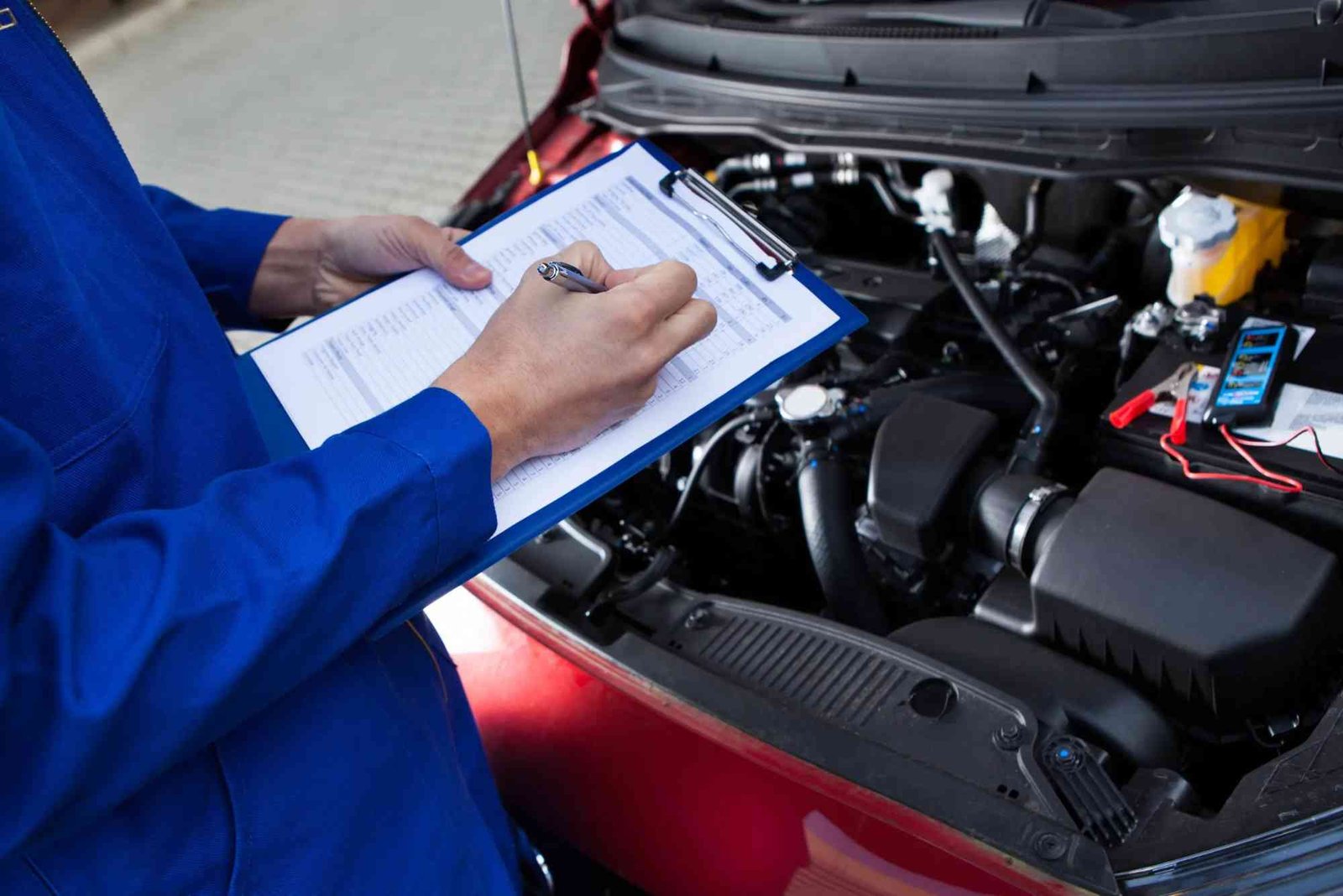
Even with verified documents and service history, a physical inspection is crucial. Some problems are not apparent on paper. Inspecting the car allows you to confirm its condition and ensure it matches the records.
Exterior and Interior Checks
Check for signs of accident damage, rust, or repainting. Uneven gaps between panels may indicate past repairs. Look at the tires for wear patterns and ensure they match in size and condition. Inside, examine the upholstery, dashboard, and electronics for signs of excessive wear or tampering. These details can reveal how well the car was used and maintained.
Mechanical and Performance Tests
A test drive is essential. Listen for unusual noises from the engine, brakes, or suspension. Check if the steering is responsive and if the transmission shifts smoothly. Pay attention to the car’s handling and braking performance, as these can indicate underlying issues not visible externally. If you are not confident, hire a professional mechanic to perform a pre-purchase inspection. This small investment can save significant costs later.
Verifying Ownership and Legal Compliance
Even after checking documents and service history, confirm the car’s legal status. Some vehicles may have outstanding loans, fines, or be stolen. Using official government portals or apps can help verify this information. Make sure the car has no legal disputes and that the seller has the authority to transfer ownership. Always request a receipt and a signed agreement detailing the transaction.
Understanding Transfer Procedures
The process of transferring ownership varies by region but usually requires submitting documents to the local vehicle registration office. Both buyer and seller must ensure that the transfer is completed to avoid future liabilities. Keep copies of all documents and receipts until the registration is fully updated in your name.
Negotiating the Price
Once you have confirmed the car’s condition, documents, and service history, it’s time to negotiate. A thorough inspection and verified records give you leverage to negotiate a fair price. Avoid rushing into a deal; take your time to compare prices for similar models in the market. Remember, a reasonable price now can save money on repairs and legal issues later.
Understanding Depreciation
Used cars depreciate differently based on brand, model, age, mileage, and maintenance. A car with a complete service history often retains more value, which is beneficial if you plan to resell in the future. Avoid overpaying for a car based on appearance alone; thorough research and documentation checks are your strongest allies in getting a fair deal.
Building Trust with the Seller
Trust plays a vital role in a smooth transaction. A reliable seller will be transparent about the car’s history and provide all necessary documents. Be wary of sellers pressuring you for quick deals or offering excuses to avoid sharing records. Clear communication and honesty are signs of a trustworthy transaction, reducing your risk significantly.
Red Flags to Watch For
Watch for inconsistencies in the story or missing documentation. Sellers unwilling to let you inspect the car or visit service centers may have something to hide. Trust your instincts—if something feels off, it’s better to walk away than risk buying a problematic car.
Buying a used car can be a smooth and rewarding experience if you follow safe practices. Always check the documents carefully, verify the service history, conduct thorough inspections, and confirm legal compliance. By taking these steps, you protect yourself from hidden problems, save money on future repairs, and make a confident purchase. Remember, investing time and effort upfront ensures a stress-free ownership experience.
If you are ready to buy a used car, start by creating a checklist of essential documents and service records. Take your time, inspect thoroughly, and don’t rush into a deal. Your careful approach today will lead to years of reliable driving tomorrow.
Maintaining your daily car is essential to keep it running smoothly and avoid costly repairs. Regularly check the engine oil, tire pressure, and fluid levels, and ensure timely servicing. Simple habits like washing your car, replacing filters, and monitoring brakes can extend its lifespan. Consistent care not only improves performance but also boosts safety and fuel efficiency, making your daily drive more reliable and enjoyable.
FAQ
How do I check a car’s service history if the seller lost the records?
You can contact authorized service centers or use the car’s VIN to request maintenance history. Some dealerships provide digital records. If no records exist, treat it as a potential risk.
What documents are essential when buying a used car?
The most important documents are the registration certificate, insurance policy, road tax receipts, and original purchase invoice. Cross-check the VIN and ownership details.
Can I trust private sellers without full documentation?
Buying from private sellers is risky without complete documentation. Always verify ownership, legal status, and service history before committing.
Is it necessary to get a mechanic to inspect a used car?
Yes, a professional inspection can reveal hidden issues that documents and a test drive might not show. It is a small cost for peace of mind.
How do I avoid buying a stolen car?
Verify ownership through official channels, check the VIN, and confirm there are no outstanding loans or police reports linked to the vehicle.