Introduction
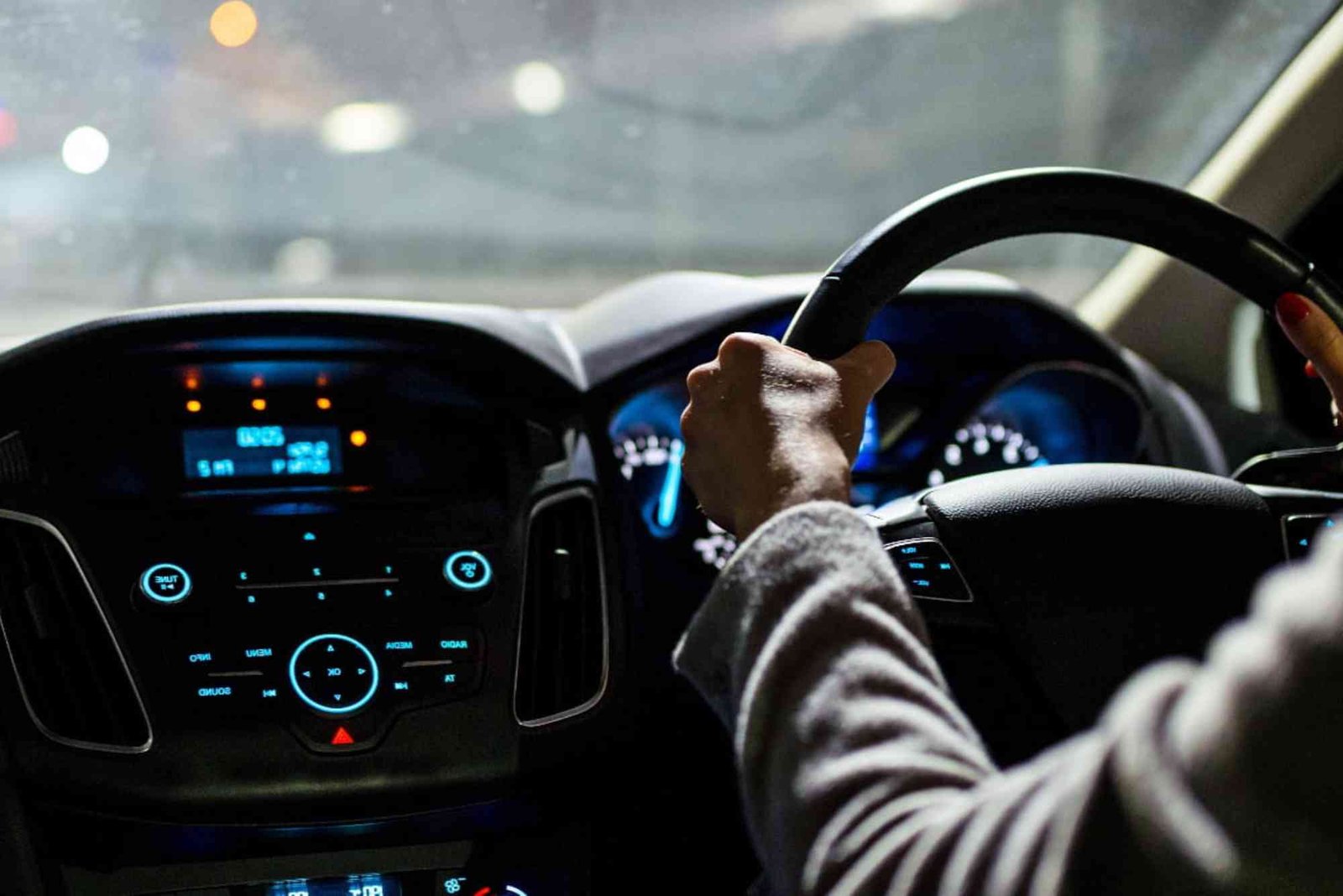
Driving at night presents unique challenges for both car and motorcycle riders. Reduced visibility, glare from oncoming vehicles, and fatigue significantly increase the risk of accidents. Understanding how to navigate these hazards safely is essential. This guide provides comprehensive safe driving tips at night for cars and motorcycles, helping drivers stay alert, confident, and secure during nighttime travel.
Understanding the Risks of Night Driving
Nighttime driving comes with several inherent risks. Human vision is naturally less effective in low-light conditions, which can make it difficult to judge distance, speed, and road obstacles. Motorcycle riders face even higher risks due to their smaller profile on the road, making them harder to spot by other drivers.
Fatigue is another critical factor. The body’s natural circadian rhythm slows reaction times and impairs judgment, especially between midnight and 6 a.m. Additionally, the glare from headlights, neon signs, and streetlights can temporarily blind drivers, increasing accident probability. Recognizing these risks is the first step toward safer nighttime travel.
Essential Car Night Driving Tips
Maintain Your Vehicle Properly
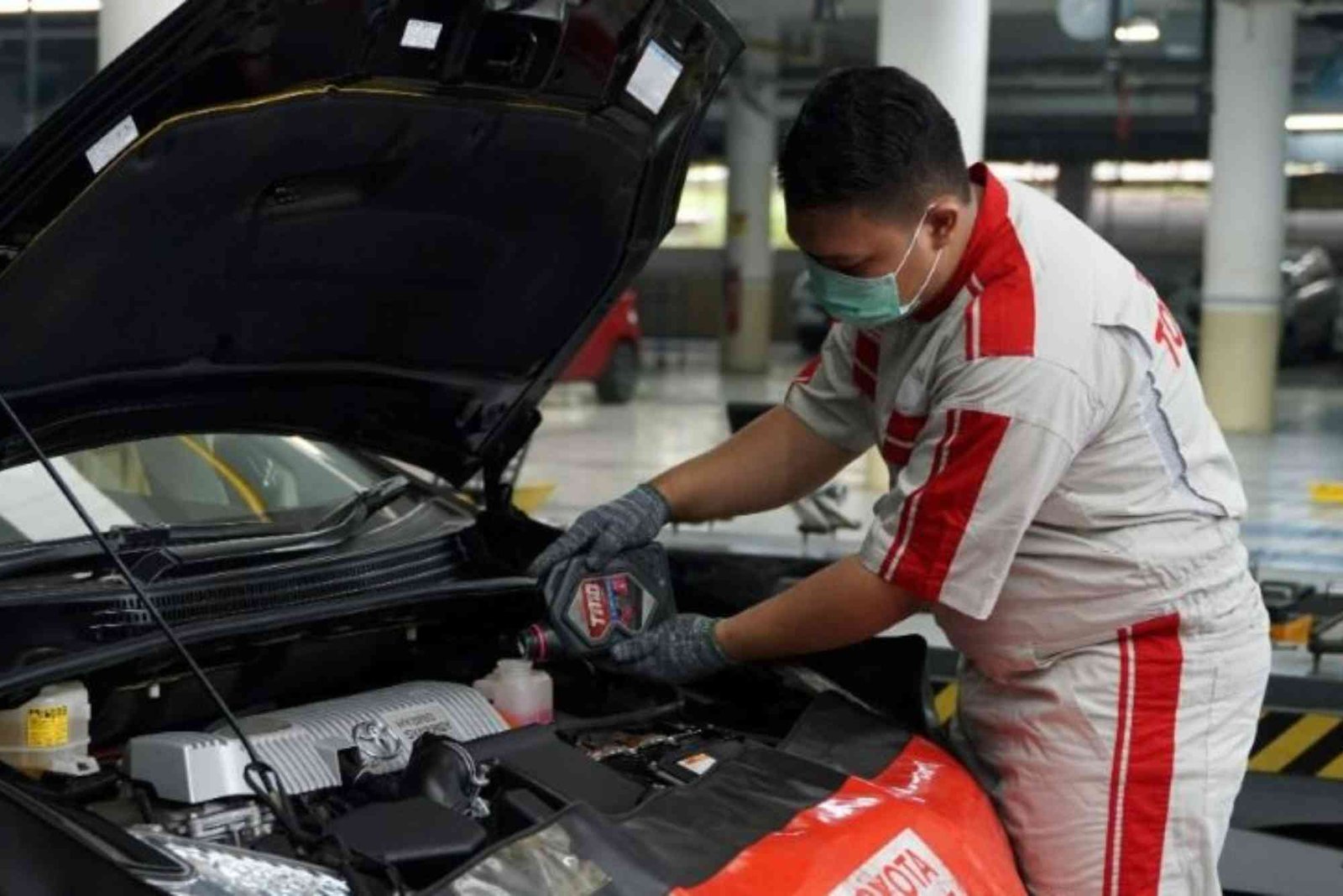
A well-maintained car is crucial for night driving safety. Ensure headlights, taillights, and indicators are clean and functioning. Dirty or misaligned headlights reduce visibility and can blind oncoming drivers. Regularly check brakes, tires, and windshield wipers, as they all play a vital role in responding to unexpected road hazards.
Adjust Your Driving Behavior
Reducing speed is critical at night. With lower visibility, stopping distances increase, and hazards are harder to detect. Keep a safe distance from the vehicle ahead to allow ample reaction time. Avoid sudden maneuvers or aggressive lane changes, which can confuse other drivers and lead to collisions.
Minimize Glare from Other Vehicles
Glare from oncoming headlights is a common night driving hazard. Use the “night” setting for your rearview mirror and avoid staring directly at oncoming headlights. If the glare is severe, slightly shift your focus to the right edge of the road while maintaining lane position.
Use Headlights Wisely
High beams increase visibility on dark roads but can blind other drivers. Use high beams on open roads without oncoming traffic, and switch to low beams when vehicles approach or when following another car closely. Proper headlight use reduces accidents and improves safety for everyone on the road.
Stay Alert and Avoid Fatigue
Driving while tired drastically increases accident risk. If you feel drowsy, pull over in a safe location and rest. Avoid heavy meals before driving, as they can induce sleepiness. Staying hydrated, playing soft music, or opening a window for fresh air can help maintain alertness.
Essential Motorcycle Night Riding Tips
Wear Reflective and Visible Gear
Motorcycles are harder to see at night, so visibility is key. Wearing reflective jackets, helmets, and gloves improves your visibility to other drivers. Bright-colored gear combined with reflective strips increases the likelihood that you’ll be noticed on poorly lit roads.
Use Proper Lighting on Your Motorcycle
Ensure both headlights and taillights are fully functional. High-intensity headlights can illuminate the road ahead, but remember to avoid blinding oncoming drivers. Additional auxiliary lights can increase visibility, but they must comply with local regulations.
Position Yourself Strategically on the Road
Lane positioning can enhance both visibility and reaction time. Ride slightly to the left or right of the lane’s center to avoid the blind spots of other vehicles. This positioning also allows better visibility around curves and obstacles while giving you room to maneuver if necessary.
Reduce Speed and Anticipate Hazards
Nighttime limits your ability to judge distance accurately, so slow down, especially on winding roads or areas with poor lighting. Scan for pedestrians, animals, and debris, and anticipate hazards before they appear. Always ride defensively and assume that other drivers may not see you.
Avoid Alcohol and Impairment
Riding under the influence at night is extremely dangerous. Alcohol slows reaction times, impairs judgment, and diminishes balance — all critical for safe motorcycle operation. Even small amounts of alcohol can significantly increase accident risk during nighttime rides.
Shared Safe Driving Practices for Cars and Motorcycles
Plan Your Route
Knowing your route in advance reduces stress and allows for better preparation. Avoid unfamiliar roads with poor lighting if possible. GPS navigation can help, but ensure it’s set before starting your trip to minimize distractions while driving.
Keep Distractions to a Minimum
Mobile phones, loud music, and other distractions reduce focus and reaction time. Set up calls, music playlists, or GPS directions before starting your journey. Keeping your eyes on the road and hands on the controls at all times is especially important during night driving.
Watch Out for Fatigue and Drowsiness
Nighttime driving often coincides with natural sleep hours. If fatigue sets in, stop in a safe area to rest. Short naps or stretches can reinvigorate you. Avoid over-reliance on caffeine or energy drinks, as they provide temporary alertness but cannot replace proper rest.
Stay Calm in Unexpected Situations
Unexpected events, such as sudden braking from another driver, animals crossing the road, or slippery patches, require calm and decisive action. Avoid panic braking or sharp swerves. Controlled maneuvers and steady reactions are safer and more effective for preventing accidents.
Communicate Clearly
Using turn signals, hazard lights, and horn appropriately ensures other drivers understand your intentions. Motorcyclists should also use hand signals when necessary. Clear communication reduces misunderstandings and accidents, particularly in low-visibility conditions.
Night driving demands heightened awareness, preparation, and caution. By following these safe driving tips at night for cars and motorcycles, drivers can significantly reduce risks and arrive at their destinations safely. Proper maintenance, strategic positioning, and alert driving habits are key to nighttime safety. Make these practices part of your routine to protect yourself and others on the road.
Driving at night does not have to be dangerous. Prioritize safety, stay alert, and plan ahead to enjoy a smooth and secure journey. Share these tips with friends and family to promote safer nighttime travel.
A fuel-inefficient fuel-injected motorcycle may seem modern, but it can drain your wallet with higher fuel costs. Despite advanced injection systems designed for better performance, poor maintenance, heavy riding, or outdated tuning can reduce efficiency. Regular servicing, proper tire pressure, and mindful riding habits can help improve mileage, making your fuel-injected bike more economical without sacrificing power or reliability.
FAQ
What is the most important tip for night driving?
A: Maintaining alertness and reducing speed are the most critical factors for safe night driving.
How can I reduce glare from oncoming cars?
A: Use your rearview mirror’s night setting and avoid looking directly at headlights. Focus slightly to the road’s right edge.
Are motorcycles more dangerous at night?
A: Yes. Their smaller size makes them harder to see, and reduced visibility increases accident risk. Reflective gear and lights improve safety.
Should I use high beams at night?
A: High beams are useful on open roads without traffic. Switch to low beams when other vehicles approach to avoid blinding them.
How can I prevent fatigue while driving at night?
A: Rest before driving, take breaks, stay hydrated, and avoid heavy meals. If you feel drowsy, pull over safely and rest.